
 Bitten or stung?
 All animals
 Pick a continent
 Africa
 Asia
 Europe
 South America
 Australia & Oceania
 Antarctica
 Pacific Ocean
 Atlantic Ocean
 Indian Ocean
 Arctic Ocean
 Mediterranean Sea
 Red Sea
 Caribbean Sea
 Coral Sea
 South China Sea
 Philippine Sea
 Andaman Sea
 North Sea
 Timor & Arafura Sea
 Bay of Bengal
 Gulf of California
 Games
 Venom battle
 Animal race
 Field notebook
 Venom TOP lists
 Stay safe
 Surprise me

Walking catfish
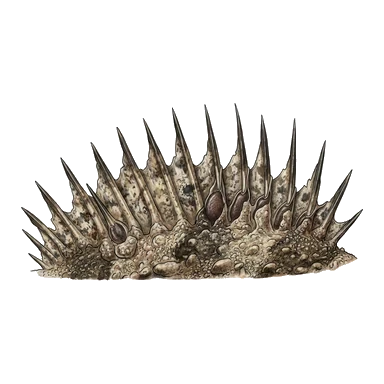 Venomous spines
The walking catfish is a freshwater fish that can crawl across wet land to reach new water. It lives in Southeast Asia and has also been introduced to places such as Florida. Its spiny defence is the reason it needs careful handling.1
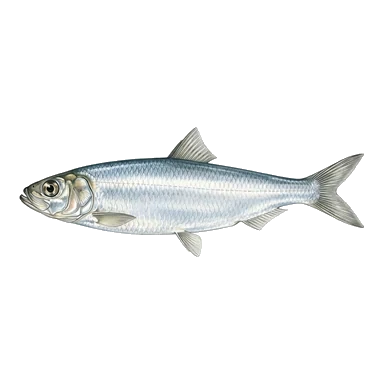
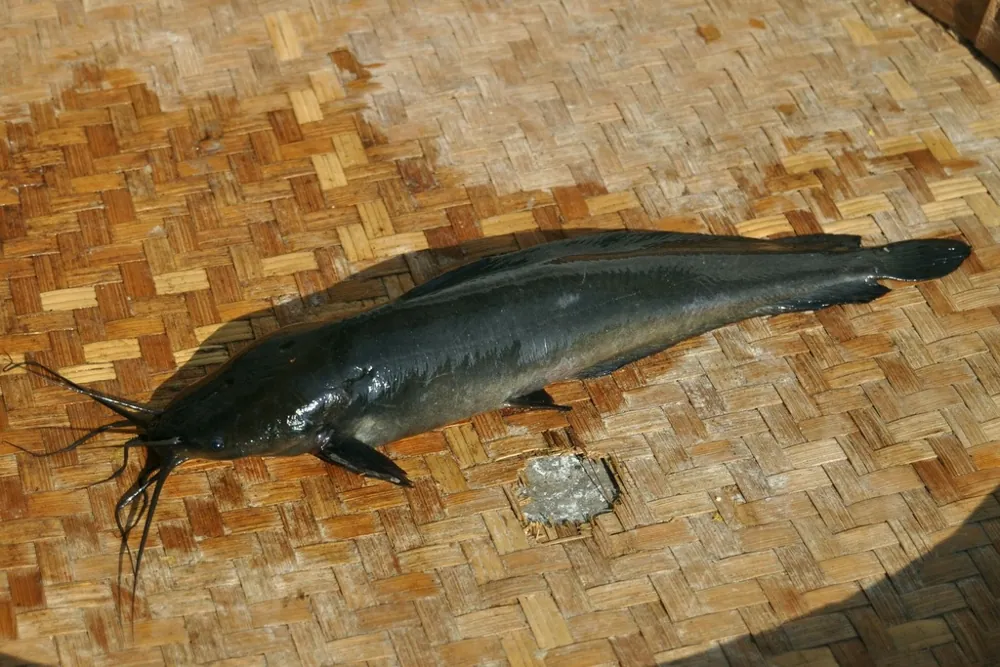
 How to recognise it
- Elongated body, grey or grey-brown in colour1
- Often covered on its sides with small white spots1
- Long dorsal and anal fins, and several pairs of sensory barbels1
- Scaleless skin covered in mucus1
- No adipose fin (the small fleshy fin many catfish have on the back near the tail)1
Often confused with: It is often confused with North American ictalurid catfish and with close relatives such as C. magur. The walking catfish can be told apart from the North American ictalurid catfish because it lacks an adipose fin.1
Venom power
Sharp spines carry the venom. Stepping on it or grabbing it hurts.
How dangerous is it to people?
Danger to people: PainfulIt can really hurt, but it is almost never serious.It must be handled carefully when fished because of its embedded sting or thorn-like spines. It is also harmful as an invasive species, because it eats the food of native fish, preys on their young and can destroy fish farms.1
What does it do when it is scared?
It has a sting or thorn-like spine hidden behind its fins, which it uses to defend itself.1
 If its spines stab you
Call your emergency number at once if the person has trouble breathing, swelling of the face or throat, or feels faint.
- Put the wound in hot water, about 45 °C: as hot as the helper can comfortably hold their own hand in, never hotter, for 30 to 90 minutes. Get medical help, especially for stonefish and stingrays.
This is general first aid guidance, not medical advice. Based on the first aid guidelines of the World Health Organization and the Australian Resuscitation Council. Facts come from public sources and may contain mistakes. When in doubt, always get medical help. First aid basics
 Stay safe
- Never touch, catch or tease a wild animal, even a small one, and even if it looks asleep or dead.
- Give it space. If you meet one, stay calm, step back slowly and let it go its own way.
- If it hurts you: wash the spot, stay calm and get medical help if the pain is strong or spreads, or the person feels unwell.
It is not out to get you. It uses its venom to catch food or to protect itself, and it would much rather hide. More about staying safe
Where in the world?
How big is it?
How long is it?
How heavy is it?
 as long as 3 bananas end to end
 as long as 6 bank cards end to end
 could swim the length of a big swimming pool (50 m) in 30 seconds
How big is Walking catfish compared to you?
Just maths in your browser. Nothing is saved or sent anywhere.
How fast is it?
Facts
It can survive 18 hours out of water.1
It moves over land with snake-like wiggles, using its pectoral fins to stay upright.1
In Florida, fish farmers have had to put up fences to protect their ponds from them.1
It often rises to the surface to gulp air, because it breathes air as well as using water.1
Walking catfish were imported to Florida in the early 1960s for aquaculture, and escapes led to wild populations.1
In Indonesia it is known as lele and is the main ingredient in dishes such as pecel lele.1
Myth buster
Myth: The walking catfish truly walks on land like a four-legged or two-legged animal.
Truth: It does not walk in that way. It uses its pectoral fins to stay upright while it wiggles its body in snake-like movements.1
Where the facts come from
- Walking catfish (Wikipedia (CC BY-SA 4.0))
- Clarias batrachus (iNaturalist): names and classification.
- Venom Wiki: the danger level, the typical size and the speed guess are our own. See how we work them out: How we rate danger.
Every fact on this page has a number that points to its source. If we got something wrong, sorry, we are animal fans, not a science journal. Tell us at [email protected] and we will fix it.
Get the Venom Wiki app
Every creature, every picture and the games in your pocket, even without internet.


 Support Venom Wiki Venom Wiki is a one-man project: free, with no ads and no cookies. A small tip helps keep it online.Feed the scorpion
More from the same group: Venomous fish
 Giant freshwater stingrayVenomous fishNeeds a doctor
 Asian stinging catfishVenomous fishNeeds a doctorDo not touch
 Reef stonefishVenomous fishCan killDo not touch
 Red lionfishVenomous fishNeeds a doctorDo not touch
 Estuarine stonefishVenomous fishCan killDo not touch
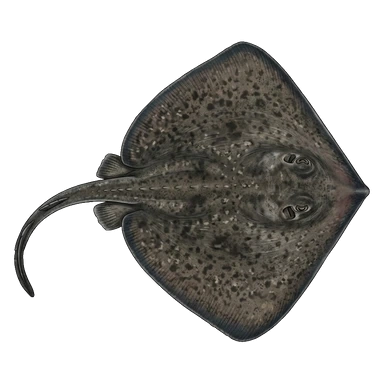 Short-tail stingrayVenomous fishCan kill
 Indian cobra
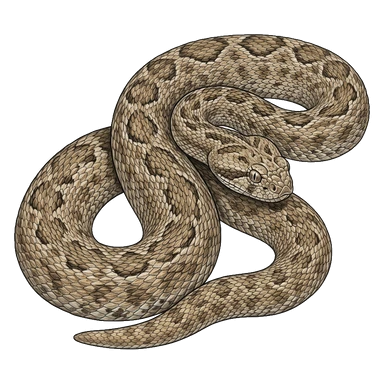 Indian saw-scaled viper
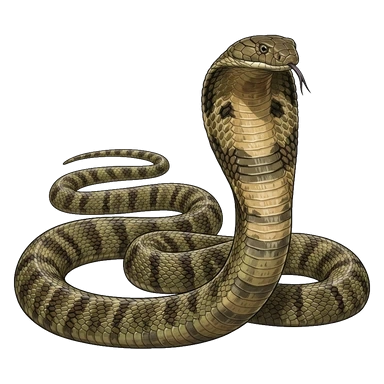 King cobra
 Puff adder
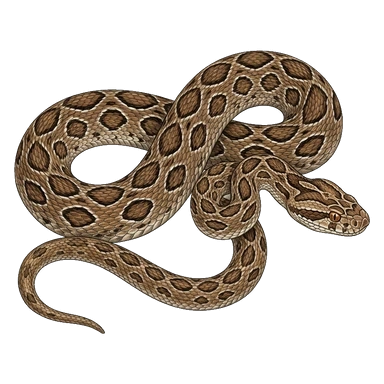 Russell's viper
 Asian giant hornet