
 Afrika
 Asia
Asia Europa
 Hego Amerika
 Australia eta Ozeania
 Antartika
 Ozeano Barea
 Ozeano Atlantikoa
 Ozeano Indikoa
 Ozeano Artikoa
 Mediterraneo itsasoa
 Itsaso Gorria
 Karibe itsasoa
 Koralen itsasoa
 Hego Txinako itsasoa
 Filipinetako itsasoa
 Andaman itsasoa
 Ipar itsasoa
 Timor eta Arafura itsasoak
 Bengalako golkoa
 Kaliforniako golkoa
Stonecat
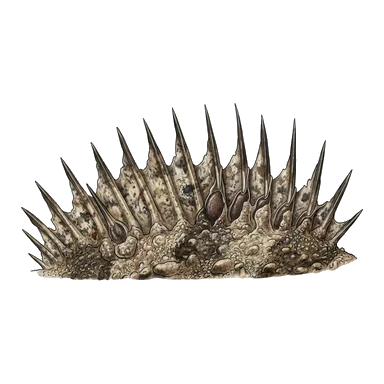 Arantza pozoitsuak
The stonecat is a small freshwater catfish from North America. It hides near or under stones in fast-moving water. It is special because it has venom glands at the base of its pectoral spines, which can cause extreme pain.1
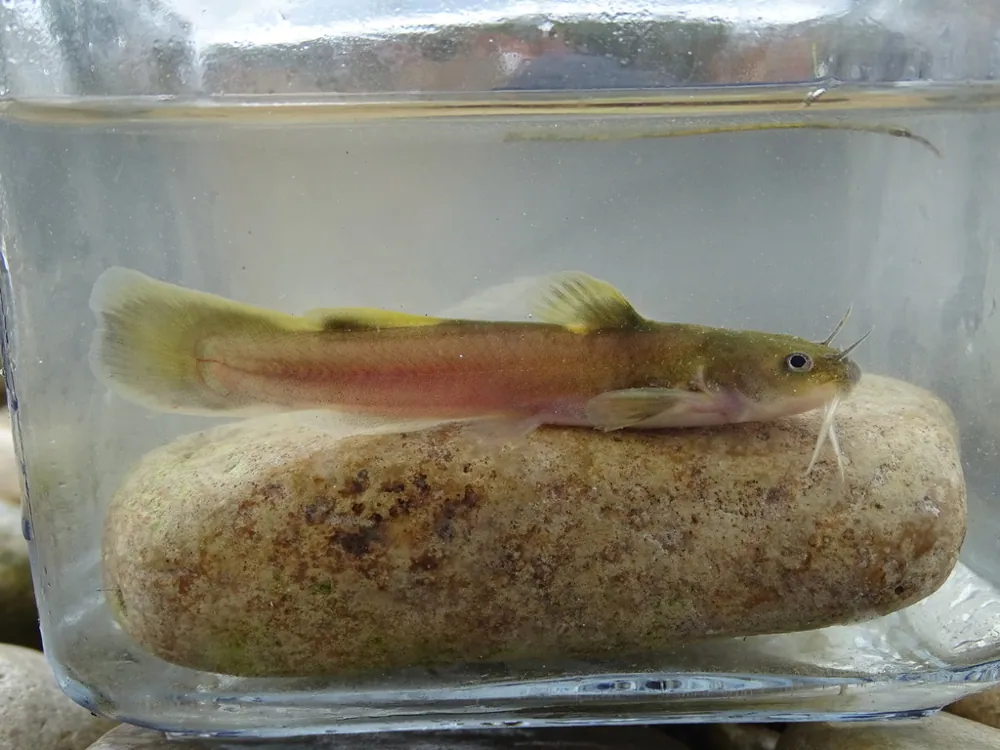
 Nola ezagutu
- Small, slender, flat-headed catfish with a thick, yellowish-brown skin1
- The sides of the head shade to yellow, and the belly is whitish1
- A white spot at the rear of the dorsal fin base and another on the upper edge of the tail fin1
- Either two light bars or a patch on the nape, depending on the population1
Pozoi-ahalmena
Arantza zorrotzek daramate pozoia. Zapaltzeak edo heltzeak min ematen du.
Zer egiten du bere pozoiak?
Stonecats have venom glands, mainly at the bases of the pectoral spines. Their venom causes extreme pain, similar to that of a wasp sting. Other members of this catfish family cause irritating wounds from their spines, but the stonecat's venom is stronger.1
Zein arriskutsua da pertsonentzat?
Arriskua pertsonentzat: MingarriaBenetan min handia eman dezake, baina ia inoiz ez da larria.The spines can deliver venom that causes extreme pain, similar to a wasp sting. Keep clear of its spines.1
Zer egiten du beldurtzen denean?
Stonecats hide near or under stones, and their venom glands sit at the bases of their pectoral spines.1
 Bere arantzek zulatzen bazaituzte
- Sartu zauria ur beroan, pertsonak erre gabe jasan dezakeen bezain beroan (probatu zure eskuarekin), 30 eta 90 minutu artean. Lortu mediku-laguntza, batez ere harri-arrain eta bastangen kasuan.
Deitu beti lehenik zure larrialdi-zenbakira (112, 000, 911). Lehen sorospenei buruzko orientabide orokorra da hau, ez mediku-aholkua. Lehen sorospenen oinarriak
 Egon seguru
- Ez ukitu, ez harrapatu eta ez zirikatu inoiz animalia basati bat, txikia izan arren, eta lo edo hilda dagoela badirudi ere.
- Utzi tartea. Bat aurkitzen baduzu, egon lasai, egin atzera poliki eta utzi bere bidetik joaten.
- Bere arantzek zulatzen bazaituzte: egon lasai, egon geldi, deitu zure larrialdi-zenbakira (112, 000, 911) edo joan ospitalera azkar. Gogoratu nolakoa zen, argazki batek laguntzen du.
Ez dabil zure atzetik. Pozoia janaria harrapatzeko edo bere burua babesteko erabiltzen du, eta askoz nahiago du ezkutatu. Seguru egoteari buruz gehiago
Munduko zein tokitan?
Zein handia da?
Zein luzea da?
Zein astuna da?

 10 eraikuntza-bloke ilaran jarrita bezain luzea
 igerileku handi baten luzera (50 m) igerian egin lezake 38 segundotan
Zein handia da Stonecat ZUREKIN alderatuta?
Matematika hutsa zure nabigatzailean. Ez da ezer gordetzen, ezta inora bidaltzen ere.
Zein azkarra da?
Datuak
A stonecat's pectoral spines carry venom glands, which makes them far more painful than the spines of most related catfish.1
Its eggs are amber-yellow and very large for a fish, measuring between 3.5 and 4 mm across.1
Stonecats are used as indicators of water quality, because they are absent from highly polluted or heavily silted areas.1
Stonecats form monogamous pairs for breeding, and they spawn when water temperatures reach 25 °C.1
The upper jaw of the stonecat projects beyond the lower jaw.1
Pozoi-adituentzat
- Izen zientifikoa
- Noturus flavus
- Taldea
- Arrain pozoitsuak
- Familia
- Ictaluridae2
- Ordena
- Siluriformes
- Kontinenteak
- Ipar Amerika
- Kumeak
- Males guard the clutch of eggs under large, flat rocks, and a female may produce between 200 and 1,200 eggs per year.1
- Bizi-iraupena
- 6 urte inguru1
- Nola dagoen naturan
- Not threatened, according to the US Endangered Species Act1
- Arriskua pertsonentzat
- 2 / 5: Mingarria3
Datuak nondik datozen
- Noturus flavus (Wikipedia (CC BY-SA 4.0))
- Noturus flavus (iNaturalist): izenak eta sailkapena.
- Venom Wiki: arrisku-maila, ohiko tamaina eta abiadura-kalkulua geureak dira. Ikusi nola kalkulatzen ditugun: Nola baloratzen dugun arriskua.
Orrialde honetako datu bakoitzak zenbaki bat du, bere iturrira eramaten zaituena. Zerbait gaizki badugu, barkatu, animalien zaleak gara, ez zientzia-aldizkari bat. Esaiguzu [email protected] helbidean eta konponduko dugu.
 Eskorpioia gose da! Venom Wiki pertsona bakar baten proiektua da: doakoa, iragarkirik eta jarraitzailerik gabe. Eskupeko txiki batek sarean mantentzen laguntzen du.Elikatu eskorpioia
Talde bereko gehiago: Arrain pozoitsuak
 Channel catfishArrain pozoitsuakMin ematen du, besterik ezEz ukitu
 Brown bullheadArrain pozoitsuakMin ematen du, besterik ezEz ukitu
 Carolina madtomArrain pozoitsuakMin ematen du, besterik ezEz ukitu
 Margined madtomArrain pozoitsuakMin ematen du, besterik ezEz ukitu
 Tadpole madtomArrain pozoitsuakMin ematen du, besterik ezEz ukitu
 Reef stonefishArrain pozoitsuakHil dezakeEz ukitu
 Terciopelo
 Eastern coral snake
 Eastern diamondback rattlesnake
 Eyelash viper
 Timber rattlesnake
 Western diamondback rattlesnake