
 Afirik
 Aazi
Aazi Orop
Orop Amerik Sud
 Ostarali e Oseyani
 Antarktik
 Geeci Pasifik
 Geeci Atlantik
 Geeci Enndo
 Geeci Arktik
 Geeci Mediteraane
 Geeci Boɗeewi
 Geeci Karayib
 Geeci Korayl
 Geeci Siin Sud
 Geeci Filipiin
 Geeci Andaman
 Geeci Nord
 Geeci Timor e Arafura
 Gulf Bengal
 Gulf Kaliforni
Bluebottle
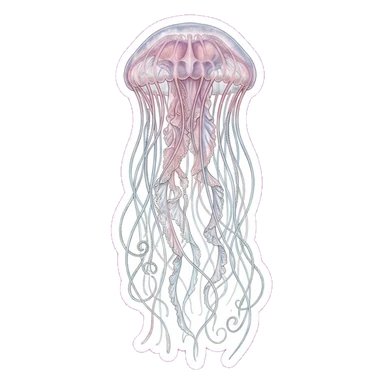 Tiimbe jukkooje
The bluebottle is a floating sea creature that looks like a jellyfish, but it is actually a colony of many linked animals that work together. It drifts on the surface of warm oceans and often washes up on beaches in large numbers. Its long tentacle can cause painful stings, so it is important to know what it looks like.1
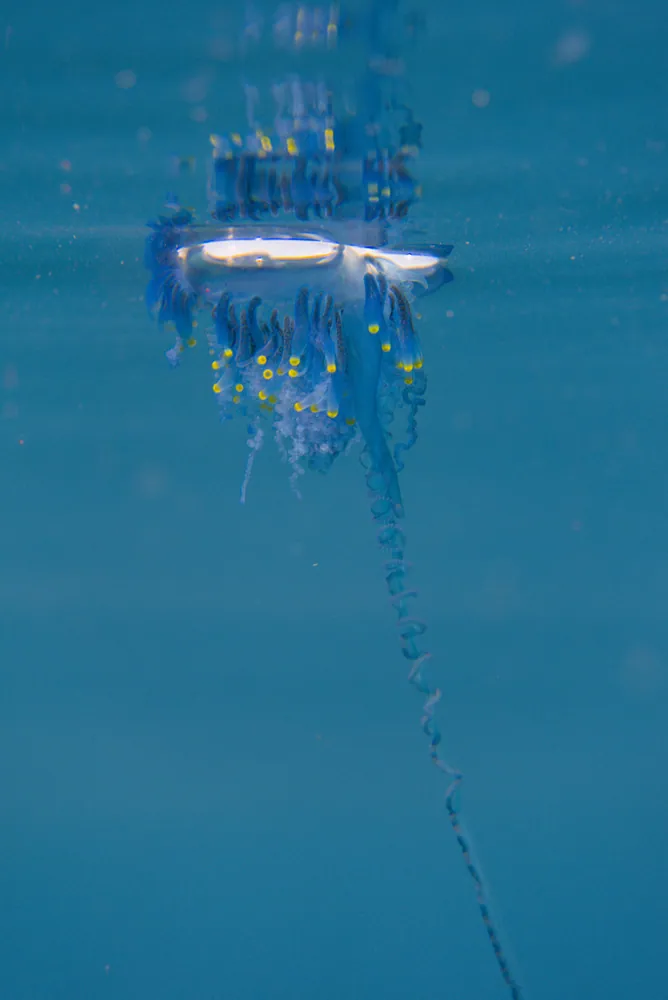
 Hono anndirtee ngal
- A gas-filled float that sits on the surface, with a sail on top of it1
- A single long tentacle hanging below the float1
- A float about 16 cm across, smaller than the Atlantic Portuguese man o' war, whose float is about 30 cm1
- Often found in large groups called swarms1
- Often washed up in large numbers on beaches after strong winds1
No jiibondiree e: The Atlantic Portuguese man o' war (Physalia physalis) is closely related and looks similar. It has a larger float, about 30 cm across, while the bluebottle's float is about 16 cm. The bluebottle has a single long fishing tentacle.1
Doole tooke ŋatgol
Ceeli jukkooji tokosɗi ujunaaje no tuha tuma huunde meemi ɗi.
Ko honɗun tooke mum waɗata (ŋatgol walla jukkugol)?
Its tentacle is covered in venomous cells called cnidocytes, which fire stinging threads called nematocysts. These toxic stinging cells cause painful injuries when they touch human skin. The stings can cause painful injuries at the beach.1
Hono musiiba mum heewiri e yimɓe?
Musiiba e yimɓe: MuusɗoNo waawi muusugol sanne, kono ko ɓadii kala tuma ɗum wonataa musiiba mawɗo.On Australia's east coast, 10,000 to 30,000 stings per year from animals of the genus Physalia are reported, and most incidents happen on the eastern coast. No deaths have been recorded from stings by this species. The Atlantic Portuguese man o' war has caused at least three deaths.1
 Si no jukka
- Yaltin neɗɗo on e ndiyam, ittu kala tiimbe meduusi (e gaŋteeji walla taƴre conci).
- Ngam meduusi kaaɗe tulnde: wuju winegara e nokkuuje jukkaaɗe, ko famɗi fow segonde 30, noddu ballal, hebulo waɗugol réanimation (RCP). Ngam bluebottles e ko heewi e goɗɗe: loot e ndiyam geeci, refti ndiyam guleeɗam ngam muusu.
Adii fow noddu nimero ballal (112, 000, 911). Ɗum ko anndinal ballal adiingal, wanaa saaraangal doktoro. Ko adii nder ballal adiingal
 Reen hoore maa
- Wota a meem, wota a nanngu, wota a jalnu kullal ladde haa abada, hay si ko tokooso, hay si no yi'ee no ɗaanii walla maayii.
- Accu ngal nokku. Si a fotti e ngal, deeƴu, ruttu ɓaawo seeɗa seeɗa, accu ngal yaha laawol mum.
- Si gooto e majji jukkii ma: deeƴu, wota a dillu, noddu nimero ballal (112, 000, 911) walla yahu lopitaan law. Jogo e hakkille no ngal nanndi, natal no walla.
Ngal faalaaka gaañugol ma. Ngal no huutora tooke mum ngam nanngugol ñaamdu walla reenugol hoore mum, ngal ɓuri yiɗugol suuɗaade. Ko ɓeydi fii reenugol hoore maa
Hoto nder aduna?
Hono mawniri?
Hono juutiri?
 juuti no kaaɗe mahirɗe 2 e diisa gooto
 no waawi yoowugol juutde pisin mawɗo (50 m) nder segonde 180
Hono Bluebottle mawniri, si fooɗondiraama e AN?
Ko limoore tun nder navigateur maa. Alaa ko danndetee walla ko neldetee ka nokku woo.
Hono yaawiri?

Humpito
It is not a single animal. It is a colony of four separate types of polyps and medusoids that work together.1
Its stinging cells can remain harmful on beaches for weeks or months if the sand stays moist.1
It moves across the sea using the wind, currents and tides, helped by the sail on top of its float.1
Ngam ganduɓe tooke
- Innde ganndal
- Physalia utriculus
- Fedde
- Meduusiiji e kulle geeci jukkooje
- Ɓesngu
- Physaliidae2
- Ordre
- Siphonophorae
- Leyɗe mawɗe
- Geeci Pasifik, Geeci Enndo, Geeci Atlantik, Geeci Sud, Geeci Korayl, Antarktik, Geeci Timor e Arafura, Gulf Bengal, Oseyanuuji
- Ɓiɓɓe tokosɓe
- Its reproductive parts, called gonozooids, release eggs or sperm into the water.1
- Musiiba e yimɓe
- 2 / 5: Muusɗo3
Ɗo humpitooji ɗin iwri
- Physalia utriculus (Wikipedia (CC BY-SA 4.0))
- Physalia utriculus (iNaturalist): inɗe e ŋoordingol (classification).
- Venom Wiki: tolno musiiba, mawnugol aadaajo e miijo yaawugol ko amen. Ndaar no min ƴeewtirta ɗum: Hono min tolnirta musiiba.
Kala humpito nder ngoo hello no jogii limoore hollirnde iwdi mum. Si min juumii, yaafo, min ko yiɗɓe kulle, wanaa jaaynde ganndal. Haalan min e [email protected], min feewnitan.
 Yaare nden no weelaa! Venom Wiki ko golle neɗɗo gooto: ko yoɓetaake, alaa piiblisite, alaa reweteeɓe. Kopporde tokooso no walla heddingol ɗum e enternet.Ñaamnu yaare nden
Ko ɓeydi e fedde wootere: Meduusiiji e kulle geeci jukkooje
 Australian box jellyfishMeduusiiji e kulle geeci jukkoojeWaroowoWota a meem
 Irukandji jellyfishMeduusiiji e kulle geeci jukkoojeNo waawi warugolWota a meem
 Portuguese man o' warMeduusiiji e kulle geeci jukkoojeNo sokli doktoroWota a meem
 Lion's mane jellyfishMeduusiiji e kulle geeci jukkoojeNo muusi tunWota a meem
 Moon jellyfishMeduusiiji e kulle geeci jukkoojeAlaa musiiba
 Common kingslayerMeduusiiji e kulle geeci jukkoojeNo waawi warugolWota a meem
No hoɗi kadi nder: Geeci Pasifik
 Geography coneKokiyaasi kone e pulpuujiWaroowo
 Greater blue-ringed octopusKokiyaasi kone e pulpuujiWaroowo
 Japanese pufferfishKulle goɗɗe tookeeje ɓannduWaroowo
 Southern blue-ringed octopusKokiyaasi kone e pulpuujiWaroowo
 Hawksbill sea turtleKulle goɗɗe tookeeje ɓannduNo waawi warugol
 Reef stonefishLiƴƴi tookeNo waawi warugolWota a meem