
 Afirik
 Aazi
Aazi Orop
Orop Amerik Sud
 Ostarali e Oseyani
 Antarktik
 Geeci Pasifik
 Geeci Atlantik
 Geeci Enndo
 Geeci Arktik
 Geeci Mediteraane
 Geeci Boɗeewi
 Geeci Karayib
 Geeci Korayl
 Geeci Siin Sud
 Geeci Filipiin
 Geeci Andaman
 Geeci Nord
 Geeci Timor e Arafura
 Gulf Bengal
 Gulf Kaliforni
Caspian cobra
 Ŋatgol
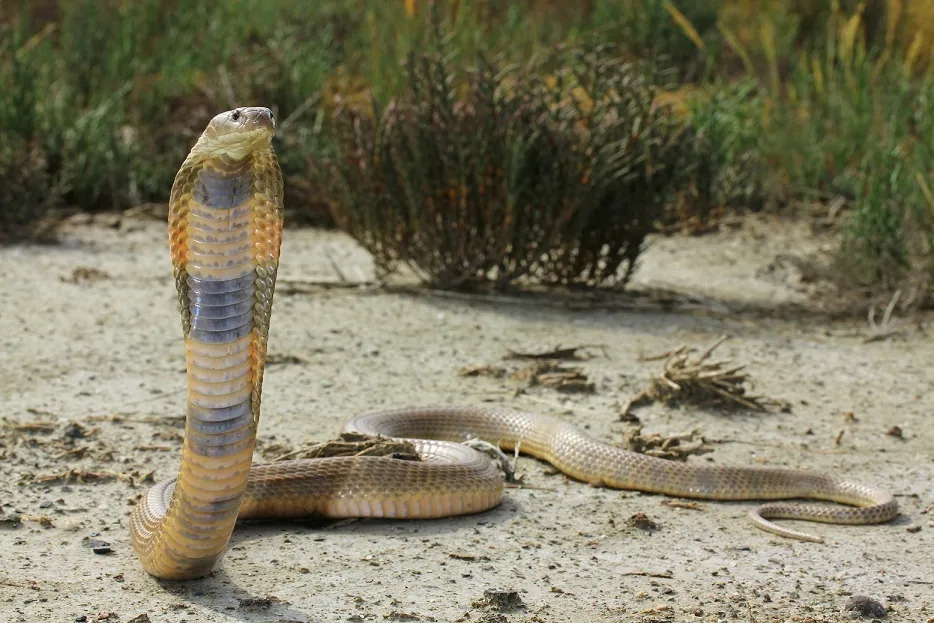
The Caspian cobra is a highly venomous snake that lives in Central Asia, Afghanistan, Iran and Pakistan. Many scientists consider it the most venomous cobra in the world. It is also a strong swimmer and a good climber.1



 Hono anndirtee ngal
- Adults are light to chocolate brown or yellowish, with no hood marks and no spots on the throat.1
- Juveniles are pale and faded, with dark and light cross-bands of about equal width around the body.1
- The hood is long and tapers gradually, unlike the rounder hood of some other cobras.1
- It has several dark bands under the throat.1
- It is never fully black, although some individuals can be quite dark.1
No jiibondiree e: The Caspian cobra is often confused with the Indian cobra, and the two live side by side in Pakistan and northern India. Indian cobras without a hood mark look similar. In the black form of the Indian cobra from Pakistan, almost the whole throat is black, while the Caspian cobra has several dark throat bands and is never fully black.1
Doole tooke ŋatgol
Tooke no yaltira ñiiƴe mum tuma ngal ŋatata.
Ko honɗun tooke mum waɗata (ŋatgol walla jukkugol)?
Its venom is mainly neurotoxic, meaning it attacks the nerves, and most of the venom is made of short neurotoxins. It also contains cytotoxins, which can kill cells, and enzymes called nucleases, which damage tissue at the bite. Severe pain and swelling appear quickly, and weakness, drowsiness and paralysis of the throat and limbs can appear within an hour. The venom can also affect the heart during the first few hours, and at least one heart attack after a bite has been recorded.1
Hono musiiba mum heewiri e yimɓe?
Musiiba e yimɓe: WaroowoGooto e kulle ɓurɗe musiiba nder aduna.It is regarded as the most dangerous snake in Central Asia and has a high death rate. Between 1979 and 1987, 136 confirmed bites were attributed to it in the former Soviet Union. Of these, 8 people died after receiving antivenom, and 11 of the 15 who did not receive antivenom died. In Iran, it causes more deaths from snakebite than any other snake in the country. Without treatment, death can come in as little as 45 minutes or be delayed for up to 24 hours.1
 Kabaaru moƴƴo: doktoroɓe no njogii lekki (sérum antivenimeux) walla safaara ngam ɗum.1
Ko honɗun ngal waɗata si ngal hulii?
It tends to avoid people, but when cornered or provoked it spreads its hood, hisses, sways from side to side and strikes repeatedly.1
 Si no ŋata
- Medical treatment with antivenom is essential, because untreated bites are often fatal. Symptoms can worsen rapidly without treatment, so urgent medical care is needed.1
- Haɗu neɗɗo on dillagol, deeƴnu mo, ittu baagiiji e ko tiiɗi fow, yahra mo lopitaan law: sérum antivenimeux ko safaara.
Adii fow noddu nimero ballal (112, 000, 911). Ɗum ko anndinal ballal adiingal, wanaa saaraangal doktoro. Ko adii nder ballal adiingal
 Reen hoore maa
- Wota a meem, wota a nanngu, wota a jalnu kullal ladde haa abada, hay si ko tokooso, hay si no yi'ee no ɗaanii walla maayii.
- Accu ngal nokku. Si a fotti e ngal, deeƴu, ruttu ɓaawo seeɗa seeɗa, accu ngal yaha laawol mum.
- Si gooto e majji ŋatii ma: deeƴu, wota a dillu, noddu nimero ballal (112, 000, 911) walla yahu lopitaan law. Jogo e hakkille no ngal nanndi, natal no walla.
Ngal faalaaka gaañugol ma. Ngal no huutora tooke mum ngam nanngugol ñaamdu walla reenugol hoore mum, ngal ɓuri yiɗugol suuɗaade. Ko ɓeydi fii reenugol hoore maa
Hoto nder aduna?
Hono mawniri?
Hono juutiri?
 juuti no ulluuɗi suudu 3, hinere haa lawol
 juuti no banaanaaji 9 jokkondirɗi
 no waawi taccugol meeteruuji 100 nder segonde 48 (neɗɗo ɓurɗo yaawugol sokli 9,6)
Hono Caspian cobra mawniri, si fooɗondiraama e AN?
Ko limoore tun nder navigateur maa. Alaa ko danndetee walla ko neldetee ka nokku woo.
Hono yaawiri?


Humpito
Many toxinological studies suggest that the Caspian cobra is the most venomous cobra in the world.1
A ribonuclease called ribonuclease V1, purified from its venom, is used as a laboratory reagent in molecular biology because it can break down structured RNA.1
It cannot spit venom, but it is a good climber and an able swimmer.1
It is the westernmost species of Asiatic cobra, and it can be found at heights of up to about 3,000 m.1
For most of the twentieth century it was treated as a subspecies of the Indian cobra, until genetic analysis showed it was a separate species.1
Bonnoowo fenaandeeji
Fenaande: Caspian cobras are always black, like some Indian cobras.
Goonga: The Caspian cobra is never fully black. Adults are light to chocolate brown or yellowish, and it has several dark bands under the throat.1
Ɗo humpitooji ɗin iwri
- Caspian cobra (Wikipedia (CC BY-SA 4.0))
- Naja oxiana (iNaturalist): inɗe e ŋoordingol (classification).
- Venom Wiki: tolno musiiba, mawnugol aadaajo e miijo yaawugol ko amen. Ndaar no min ƴeewtirta ɗum: Hono min tolnirta musiiba.
Kala humpito nder ngoo hello no jogii limoore hollirnde iwdi mum. Si min juumii, yaafo, min ko yiɗɓe kulle, wanaa jaaynde ganndal. Haalan min e [email protected], min feewnitan.
 Yaare nden no weelaa! Venom Wiki ko golle neɗɗo gooto: ko yoɓetaake, alaa piiblisite, alaa reweteeɓe. Kopporde tokooso no walla heddingol ɗum e enternet.Ñaamnu yaare nden
 Kobra Enndo
 Kobra laamɗo
 Common krait
 Malayan krait
 Many-banded krait
 Monocled cobra
 Yaare oolnde maayde
 Wipeeri cerkeeje siy Enndo
 Wipeeri fuufoowndi
 Bowngal Russell
 Asian giant hornet
 Komodo dragon