
 Afirik
 Aazi
Aazi Orop
Orop Amerik Sud
 Ostarali e Oseyani
 Antarktik
 Geeci Pasifik
 Geeci Atlantik
 Geeci Enndo
 Geeci Arktik
 Geeci Mediteraane
 Geeci Boɗeewi
 Geeci Karayib
 Geeci Korayl
 Geeci Siin Sud
 Geeci Filipiin
 Geeci Andaman
 Geeci Nord
 Geeci Timor e Arafura
 Gulf Bengal
 Gulf Kaliforni
False stonefish
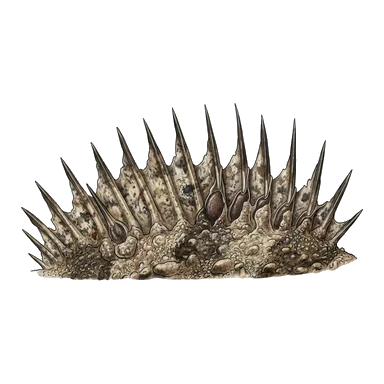 Gaaɗe tooke
The false stonefish is a venomous fish that lives on the seabed in warm seas. It hides among rocks, coral and rubble, where it waits to ambush passing prey. It is worth knowing about because its back spines can give a painful sting.1
 Hono anndirtee ngal
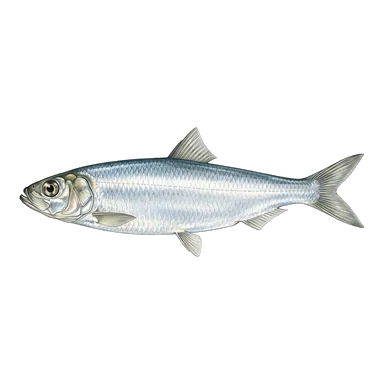
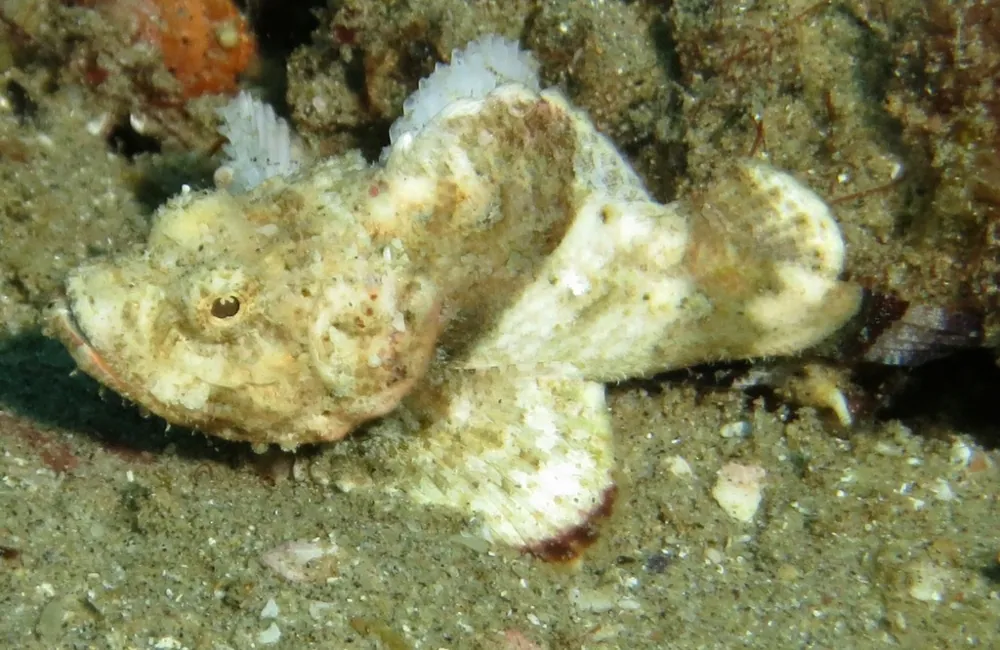
- Broad head with a wide mouth, a humped back and a tapering body1
- Rough skin with low cone-shaped bumps, spines and tassels1
- Mottled grey and white colouring with reddish-brown blotches, which blends in with stones and coral1
- Twelve venomous spines in the dorsal (back) fin1
- Inner sides of the broad pectoral (side) fins show orange, black and white blotches1
No jiibondiree e: It closely resembles the reef stonefish (Synanceia verrucosa), which is why the two are easily confused.1
Doole tooke ŋatgol
Gaaɗe ceeɓɗe no njogii tooke. Yaabugol e mum walla nanngugol ɗum no muusi.
Ko honɗun tooke mum waɗata (ŋatgol walla jukkugol)?
Its venomous spines are in the dorsal fin on its back. They can inflict a painful wound when a person is pricked by them.1
Hono musiiba mum heewiri e yimɓe?
Musiiba e yimɓe: Musiiba mawɗoSi gaaɗe mum tuƴii ma, yahu ka doktoro. Maayde no famɗi sanne.An 1829 account by the zoologists Cuvier and Valenciennes says the venom killed two local people in the Moluccas Islands of Indonesia, after what they described as frightful suffering. Local people there avoided the fish because they saw it as a bad omen.1
Ko honɗun ngal waɗata si ngal hulii?
When disturbed by a possible predator, it flares its pectoral fins as a warning.1
 Si gaaɗe mum tuƴii ma
- Waɗ gaañande nden nder ndiyam guleeɗam, guleeɗam no neɗɗo on waawi muñugol tawa sumaani (ƴeewto e jungo maa hoore), miniti 30 haa 90. Heɓu ballal doktoro, ɓuri noon fii liƴƴi kaaƴe e raayi.
Adii fow noddu nimero ballal (112, 000, 911). Ɗum ko anndinal ballal adiingal, wanaa saaraangal doktoro. Ko adii nder ballal adiingal
 Reen hoore maa
- Wota a meem, wota a nanngu, wota a jalnu kullal ladde haa abada, hay si ko tokooso, hay si no yi'ee no ɗaanii walla maayii.
- Accu ngal nokku. Si a fotti e ngal, deeƴu, ruttu ɓaawo seeɗa seeɗa, accu ngal yaha laawol mum.
- Si gaaɗe mum tuƴii ma: deeƴu, wota a dillu, noddu nimero ballal (112, 000, 911) walla yahu lopitaan law. Jogo e hakkille no ngal nanndi, natal no walla.
Ngal faalaaka gaañugol ma. Ngal no huutora tooke mum ngam nanngugol ñaamdu walla reenugol hoore mum, ngal ɓuri yiɗugol suuɗaade. Ko ɓeydi fii reenugol hoore maa
Hoto nder aduna?
Hono mawniri?
Hono juutiri?
 juuti no kaaɗe mahirɗe 9 e diisa gooto
 no waawi yoowugol juutde pisin mawɗo (50 m) nder segonde 90
Hono False stonefish mawniri, si fooɗondiraama e AN?
Ko limoore tun nder navigateur maa. Alaa ko danndetee walla ko neldetee ka nokku woo.
Hono yaawiri?

Humpito
When lit by blue or ultraviolet light, it glows red. This is called biofluorescence, and it may help the fish communicate with others of its kind and aid its camouflage.1
It has twelve venomous spines in its dorsal fin, and it is these spines that make it dangerous.1
Its wide mouth and camouflage let it wait for prey to pass close by before it strikes.1
It is sometimes partly covered with sediment, which helps it stay hidden on the seabed.1
Ɗo humpitooji ɗin iwri
- Scorpaenopsis diabolus (Wikipedia (CC BY-SA 4.0))
- Scorpaenopsis diabolus (iNaturalist): inɗe e ŋoordingol (classification).
- Venom Wiki: tolno musiiba, mawnugol aadaajo e miijo yaawugol ko amen. Ndaar no min ƴeewtirta ɗum: Hono min tolnirta musiiba.
Kala humpito nder ngoo hello no jogii limoore hollirnde iwdi mum. Si min juumii, yaafo, min ko yiɗɓe kulle, wanaa jaaynde ganndal. Haalan min e [email protected], min feewnitan.
 Yaare nden no weelaa! Venom Wiki ko golle neɗɗo gooto: ko yoɓetaake, alaa piiblisite, alaa reweteeɓe. Kopporde tokooso no walla heddingol ɗum e enternet.Ñaamnu yaare nden
Ko ɓeydi e fedde wootere: Liƴƴi tooke
 Reef stonefishLiƴƴi tookeNo waawi warugolWota a meem
 Red lionfishLiƴƴi tookeNo sokli doktoroWota a meem
 Estuarine stonefishLiƴƴi tookeNo waawi warugolWota a meem
 Short-tail stingrayLiƴƴi tookeNo waawi warugol
 Striped eel catfishLiƴƴi tookeNo waawi warugolWota a meem
 Bluespotted ribbontail rayLiƴƴi tookeNo sokli doktoro
No hoɗi kadi nder: Geeci Enndo
 Australian box jellyfishMeduusiiji e kulle geeci jukkoojeWaroowoWota a meem
 Geography coneKokiyaasi kone e pulpuujiWaroowo
 Greater blue-ringed octopusKokiyaasi kone e pulpuujiWaroowo
 Southern blue-ringed octopusKokiyaasi kone e pulpuujiWaroowo
 Hawksbill sea turtleKulle goɗɗe tookeeje ɓannduNo waawi warugol
 Irukandji jellyfishMeduusiiji e kulle geeci jukkoojeNo waawi warugolWota a meem