
 Afirik
 Aazi
Aazi Orop
Orop Amerik Sud
 Ostarali e Oseyani
 Antarktik
 Geeci Pasifik
 Geeci Atlantik
 Geeci Enndo
 Geeci Arktik
 Geeci Mediteraane
 Geeci Boɗeewi
 Geeci Karayib
 Geeci Korayl
 Geeci Siin Sud
 Geeci Filipiin
 Geeci Andaman
 Geeci Nord
 Geeci Timor e Arafura
 Gulf Bengal
 Gulf Kaliforni
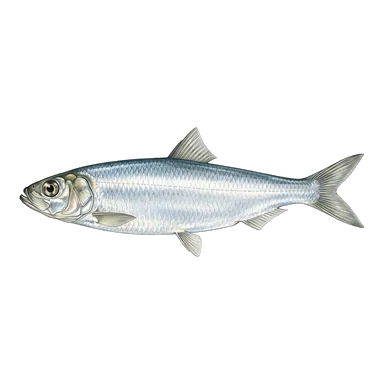
Marbled spinefoot
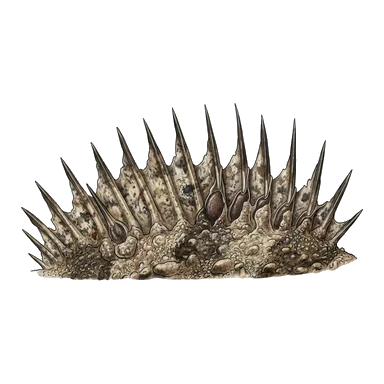 Gaaɗe tooke
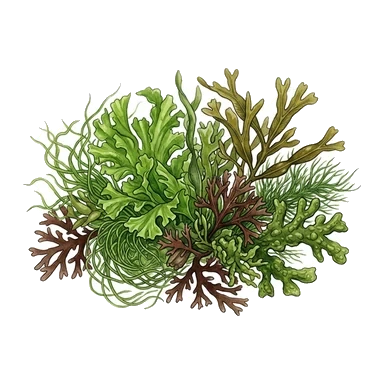
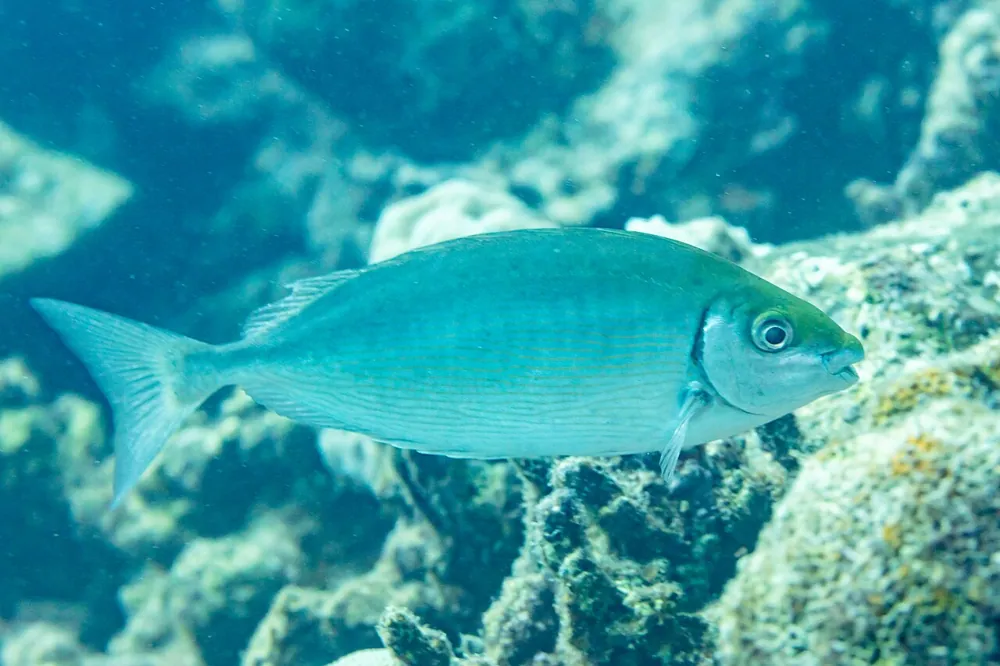
The marbled spinefoot is a shoaling fish that mostly eats algae. It lives in shallow warm seas in the Red Sea and western Indian Ocean, and it has spread into the Mediterranean. Its spines carry venom, so it is one to leave alone.1
 Hono anndirtee ngal
,_Yeda,_Arabia_Saudita,_2025-05-19,_DD_86.jpg)
Doole tooke ŋatgol
Gaaɗe ceeɓɗe no njogii tooke. Yaabugol e mum walla nanngugol ɗum no muusi.
Ko honɗun tooke mum waɗata (ŋatgol walla jukkugol)?
The spines in the fins have venom glands at their base. The venom is a protein that is damaged by heat. The sting is very painful.1
Hono musiiba mum heewiri e yimɓe?
Musiiba e yimɓe: MuusɗoNo waawi muusugol sanne, kono ko ɓadii kala tuma ɗum wonataa musiiba mawɗo.The spines can inflict a painful sting if the fish is handled incorrectly. No deaths from its venom have been recorded. Separately, poisoning has been recorded in Israel after people ate its flesh, linked to fish caught in polluted water.1
Ko honɗun ngal waɗata si ngal hulii?
Its spines are barbed and venomous, and they can injure anyone who handles the fish carelessly.1
 Si gaaɗe mum tuƴii ma
- The affected area should be treated with as high a temperature as possible, within 43 to 46 °C, because heat damages the venom. The person should also be checked for possible infection.1
- Waɗ gaañande nden nder ndiyam guleeɗam, guleeɗam no neɗɗo on waawi muñugol tawa sumaani (ƴeewto e jungo maa hoore), miniti 30 haa 90. Heɓu ballal doktoro, ɓuri noon fii liƴƴi kaaƴe e raayi.
Adii fow noddu nimero ballal (112, 000, 911). Ɗum ko anndinal ballal adiingal, wanaa saaraangal doktoro. Ko adii nder ballal adiingal
 Reen hoore maa
- Wota a meem, wota a nanngu, wota a jalnu kullal ladde haa abada, hay si ko tokooso, hay si no yi'ee no ɗaanii walla maayii.
- Accu ngal nokku. Si a fotti e ngal, deeƴu, ruttu ɓaawo seeɗa seeɗa, accu ngal yaha laawol mum.
- Si gaaɗe mum tuƴii ma: deeƴu, wota a dillu, noddu nimero ballal (112, 000, 911) walla yahu lopitaan law. Jogo e hakkille no ngal nanndi, natal no walla.
Ngal faalaaka gaañugol ma. Ngal no huutora tooke mum ngam nanngugol ñaamdu walla reenugol hoore mum, ngal ɓuri yiɗugol suuɗaade. Ko ɓeydi fii reenugol hoore maa
Hoto nder aduna?
Hono mawniri?
Hono juutiri?
 juuti no banaanaaji 2 jokkondirɗi
 juuti no kaaɗe mahirɗe 12 e diisa gooto
 no waawi yoowugol juutde pisin mawɗo (50 m) nder segonde 35
Hono Marbled spinefoot mawniri, si fooɗondiraama e AN?
Ko limoore tun nder navigateur maa. Alaa ko danndetee walla ko neldetee ka nokku woo.
Hono yaawiri?
Humpito
Some people have reported hallucinations after eating it.1
Eating its flesh has caused poisoning, and the toxins involved are similar to ciguatoxin.1
Its spines carry venom from glands at their base, so the fish can sting when it is handled.1
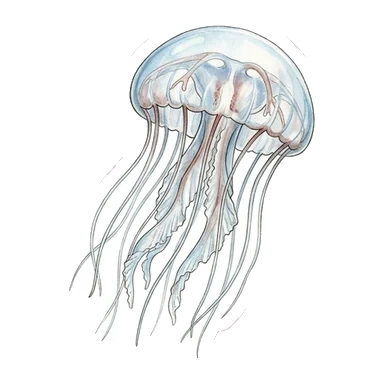
Adults can eat jellyfish, including comb jellies and moon jellyfish, in parts of the northern Red Sea.1
It reached the Mediterranean through the Suez Canal, first recorded off Palestine in 1927.1
It can be bred in captivity and is being studied as a farmed fish because it eats plant-based feed.1
Ngam ganduɓe tooke
- Innde ganndal
- Siganus rivulatus
- Fedde
- Liƴƴi tooke
- Ɓesngu
- Siganidae2
- Ordre
- Acanthuriformes
- Leyɗe mawɗe
- Geeci Enndo, Geeci Boɗeewi, Geeci Mediteraane, Geeci Arabi e Gulf Persik, Oseyanuuji
- Ɓiɓɓe tokosɓe
- The fish lays eggs, which are fertilised outside the body. The eggs are 0.5 to 0.6 mm across, and the adults give them no care.1
- Musiiba e yimɓe
- 2 / 5: Muusɗo3
Ɗo humpitooji ɗin iwri
- Siganus rivulatus (Wikipedia (CC BY-SA 4.0))
- Siganus rivulatus (iNaturalist): inɗe e ŋoordingol (classification).
- Venom Wiki: tolno musiiba, mawnugol aadaajo e miijo yaawugol ko amen. Ndaar no min ƴeewtirta ɗum: Hono min tolnirta musiiba.
Kala humpito nder ngoo hello no jogii limoore hollirnde iwdi mum. Si min juumii, yaafo, min ko yiɗɓe kulle, wanaa jaaynde ganndal. Haalan min e [email protected], min feewnitan.
 Yaare nden no weelaa! Venom Wiki ko golle neɗɗo gooto: ko yoɓetaake, alaa piiblisite, alaa reweteeɓe. Kopporde tokooso no walla heddingol ɗum e enternet.Ñaamnu yaare nden
Ko ɓeydi e fedde wootere: Liƴƴi tooke
 Reef stonefishLiƴƴi tookeNo waawi warugolWota a meem
 Red lionfishLiƴƴi tookeNo sokli doktoroWota a meem
 Estuarine stonefishLiƴƴi tookeNo waawi warugolWota a meem
 Short-tail stingrayLiƴƴi tookeNo waawi warugol
 Striped eel catfishLiƴƴi tookeNo waawi warugolWota a meem
 Bluespotted ribbontail rayLiƴƴi tookeNo sokli doktoro
No hoɗi kadi nder: Geeci Enndo
 Australian box jellyfishMeduusiiji e kulle geeci jukkoojeWaroowoWota a meem
 Geography coneKokiyaasi kone e pulpuujiWaroowo
 Greater blue-ringed octopusKokiyaasi kone e pulpuujiWaroowo
 Southern blue-ringed octopusKokiyaasi kone e pulpuujiWaroowo
 Hawksbill sea turtleKulle goɗɗe tookeeje ɓannduNo waawi warugol
 Irukandji jellyfishMeduusiiji e kulle geeci jukkoojeNo waawi warugolWota a meem