
 Afirik
 Aazi
Aazi Orop
Orop Amerik Sud
 Ostarali e Oseyani
 Antarktik
 Geeci Pasifik
 Geeci Atlantik
 Geeci Enndo
 Geeci Arktik
 Geeci Mediteraane
 Geeci Boɗeewi
 Geeci Karayib
 Geeci Korayl
 Geeci Siin Sud
 Geeci Filipiin
 Geeci Andaman
 Geeci Nord
 Geeci Timor e Arafura
 Gulf Bengal
 Gulf Kaliforni
Peacock spider
 Ŋatgol
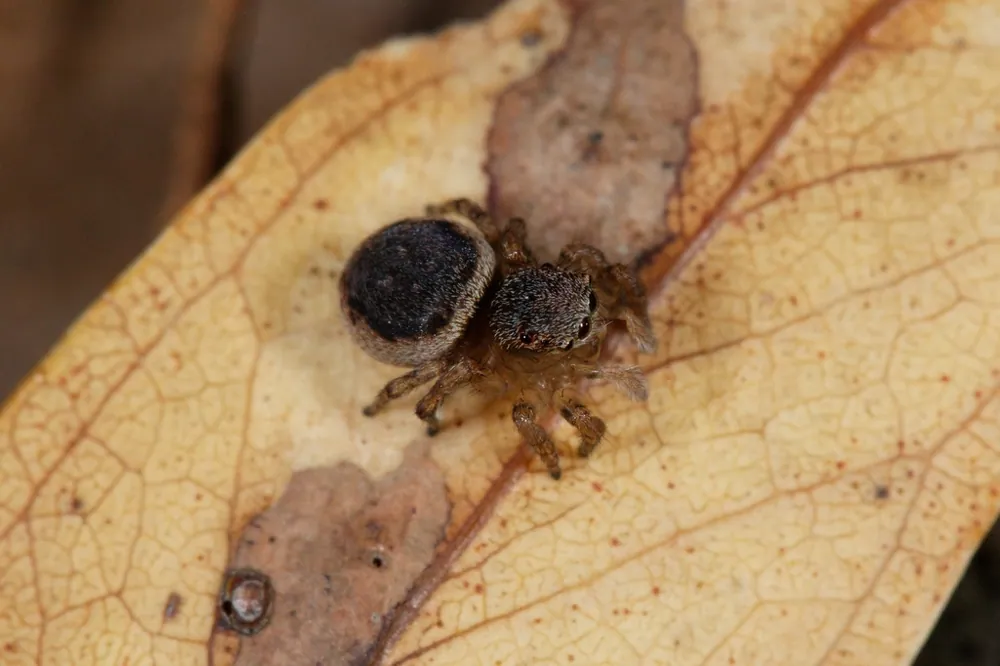
The peacock spider is a tiny jumping spider from Australia. Males are brightly coloured, and they show off with a fan of flaps on their abdomen and a dance to win a female. Its eyesight is so good that it can see ultraviolet light, which helps it hunt.1

 Hono anndirtee ngal
- Males are red, blue and black, with flap-like extensions on the abdomen that have white hairs and can be folded down.1
- Females and young spiders are brown, with colour patterns that set them apart from related species.1
- Both sexes reach about 5 mm in body length.1
- The males raise their abdomen and spread the flaps into a white-fringed, circular field of colour during courtship.1
Doole tooke ŋatgol
Tooke no yaltira ñiiƴe mum tuma ngal ŋatata.
Hono musiiba mum heewiri e yimɓe?
Musiiba e yimɓe: SeeɗaNo jukkugol ñaaki walla ko ɓuri famɗugol. Ko ɓadii alaa musiiba e yimɓe. Si no ŋata
- Loot nokku ŋataaɗo on, waɗ galaasi e dow mum ngam muusu. Heɓu ballal doktoro si muusu ngu no tiiɗi, no saakoo, walla neɗɗo on no yi'a o selliraali.
Adii fow noddu nimero ballal (112, 000, 911). Ɗum ko anndinal ballal adiingal, wanaa saaraangal doktoro. Ko adii nder ballal adiingal
 Reen hoore maa
- Wota a meem, wota a nanngu, wota a jalnu kullal ladde haa abada, hay si ko tokooso, hay si no yi'ee no ɗaanii walla maayii.
- Accu ngal nokku. Si a fotti e ngal, deeƴu, ruttu ɓaawo seeɗa seeɗa, accu ngal yaha laawol mum.
- Si gooto e majji ŋatii ma: deeƴu, wota a dillu, noddu nimero ballal (112, 000, 911) walla yahu lopitaan law. Jogo e hakkille no ngal nanndi, natal no walla.
Ngal faalaaka gaañugol ma. Ngal no huutora tooke mum ngam nanngugol ñaamdu walla reenugol hoore mum, ngal ɓuri yiɗugol suuɗaade. Ko ɓeydi fii reenugol hoore maa
Hoto nder aduna?
Hono mawniri?
Hono juutiri?
 tokooso no feewi haa no waawi joodagol e dow hoore hoɓɓere maa
Hono Peacock spider mawniri, si fooɗondiraama e AN?
Ko limoore tun nder navigateur maa. Alaa ko danndetee walla ko neldetee ka nokku woo.
Hono yaawiri?


Humpito
Some males can change their scale colours from red to green to violet with slight movements, because their scales reflect light in a special way.1
Peacock spiders can jump up to 40 times their own body length.1
They have eight eyes and can see ultraviolet light as well as the full visible spectrum.1
Males dance and vibrate their abdomen for an average of about 24 minutes to win a female, and the dance can last from 6 to 50 minutes.1
Females of this species are thought to mate only once.1
Bonnoowo fenaandeeji
Fenaande: The male spider uses its colourful flaps as wings to help it glide or sustain its leaps.
Goonga: This belief has been debunked by the Australasian Arachnological Society.1
Ngam ganduɓe tooke
Ɗo humpitooji ɗin iwri
- Maratus volans (Wikipedia (CC BY-SA 4.0))
- Maratus volans (iNaturalist): inɗe e ŋoordingol (classification).
- Venom Wiki: tolno musiiba, mawnugol aadaajo e miijo yaawugol ko amen. Ndaar no min ƴeewtirta ɗum: Hono min tolnirta musiiba.
Kala humpito nder ngoo hello no jogii limoore hollirnde iwdi mum. Si min juumii, yaafo, min ko yiɗɓe kulle, wanaa jaaynde ganndal. Haalan min e [email protected], min feewnitan.
 Yaare nden no weelaa! Venom Wiki ko golle neɗɗo gooto: ko yoɓetaake, alaa piiblisite, alaa reweteeɓe. Kopporde tokooso no walla heddingol ɗum e enternet.Ñaamnu yaare nden
 Redback spider
 Katipo
 White-tailed spider
 Badge huntsman spider
 Black house spider
 Eastern white-tailed spider
 Taipan daande geeci
 Death adder heewndi
 Mboddi ooleeri fuunaange
 Taipan wulaa
 Araañee funnel-web Sidnee
 Mboddi Tiigar