
 Afirik
 Aazi
Aazi Orop
Orop Amerik Sud
 Ostarali e Oseyani
 Antarktik
 Geeci Pasifik
 Geeci Atlantik
 Geeci Enndo
 Geeci Arktik
 Geeci Mediteraane
 Geeci Boɗeewi
 Geeci Karayib
 Geeci Korayl
 Geeci Siin Sud
 Geeci Filipiin
 Geeci Andaman
 Geeci Nord
 Geeci Timor e Arafura
 Gulf Bengal
 Gulf Kaliforni
Redback spider
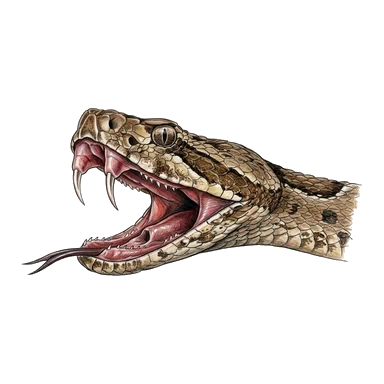 Ŋatgol
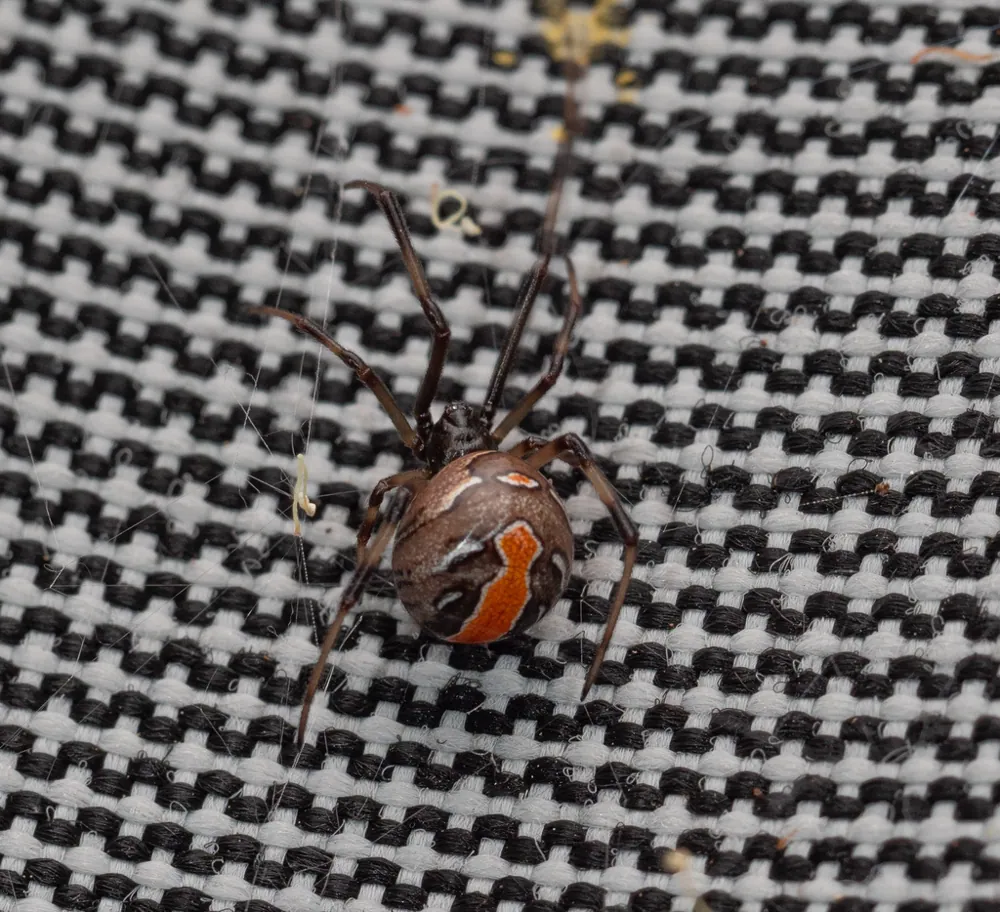
The redback spider is a highly venomous spider. It is thought to come from Australia, but it now also lives in Southeast Asia, Japan and New Zealand. It often lives close to people, in warm, sheltered places in and around homes, so it matters a great deal for safety.1
 Hono anndirtee ngal
- The adult female has a round, shiny black body with a red stripe on the top of the abdomen.1
- Underneath, she has an hourglass-shaped red or orange streak.1
- The female's body is about 1 cm long, with slender legs.1
- The male is much smaller, 3 to 4 mm long, light brown with white markings on the upper abdomen and a pale hourglass marking underneath.1
- Its web is an irregular, untidy tangle of strong silk, usually in a warm, sheltered spot.1
No jiibondiree e: The false redback spider (Steatoda capensis) has a similar build but is uniformly black or plum-coloured, and it has no red stripe on its abdomen.1
Doole tooke ŋatgol
Tooke no yaltira ñiiƴe mum tuma ngal ŋatata.
Ko honɗun tooke mum waɗata (ŋatgol walla jukkugol)?
The venom is neurotoxic to vertebrates, meaning it attacks the nerves, and it causes a condition called latrodectism. Pain starts around the bite and typically becomes severe, spreading up the bitten limb and lasting for over 24 hours. Localised sweating in patches of skin is highly indicative of latrodectism, and nausea, vomiting, headache and agitation may indicate severe envenomation.1
Hono musiiba mum heewiri e yimɓe?
Musiiba e yimɓe: Musiiba mawɗoŊatgol no haani doktoro. Maayde no famɗi sanne.The redback is one of the few spider species that can seriously harm humans. Because it often lives in buildings, it is responsible for a large number of serious spider bites in Australia.1
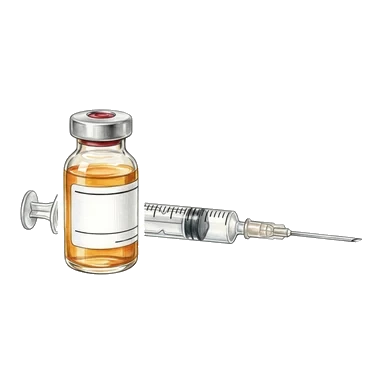 Kabaaru moƴƴo: doktoroɓe no njogii lekki (sérum antivenimeux) walla safaara ngam ɗum.1
Ko honɗun ngal waɗata si ngal hulii?
Its bright scarlet markings may serve as a warning to potential predators.1
 Si no ŋata
- Loot nokku ŋataaɗo on, waɗ galaasi e dow mum ngam muusu. Heɓu ballal doktoro si muusu ngu no tiiɗi, no saakoo, walla neɗɗo on no yi'a o selliraali.
Adii fow noddu nimero ballal (112, 000, 911). Ɗum ko anndinal ballal adiingal, wanaa saaraangal doktoro. Ko adii nder ballal adiingal
 Reen hoore maa
- Wota a meem, wota a nanngu, wota a jalnu kullal ladde haa abada, hay si ko tokooso, hay si no yi'ee no ɗaanii walla maayii.
- Accu ngal nokku. Si a fotti e ngal, deeƴu, ruttu ɓaawo seeɗa seeɗa, accu ngal yaha laawol mum.
- Si gooto e majji ŋatii ma: deeƴu, wota a dillu, noddu nimero ballal (112, 000, 911) walla yahu lopitaan law. Jogo e hakkille no ngal nanndi, natal no walla.
Ngal faalaaka gaañugol ma. Ngal no huutora tooke mum ngam nanngugol ñaamdu walla reenugol hoore mum, ngal ɓuri yiɗugol suuɗaade. Ko ɓeydi fii reenugol hoore maa
Hoto nder aduna?
Hono mawniri?
Hono juutiri?
 tokooso no feewi haa no waawi joodagol e dow hoore hoɓɓere maa
Hono Redback spider mawniri, si fooɗondiraama e AN?
Ko limoore tun nder navigateur maa. Alaa ko danndetee walla ko neldetee ka nokku woo.
Hono yaawiri?


Humpito
A male redback can successfully mate with a female katipō, a related New Zealand spider, producing hybrid offspring.1
Males often mate with a female who may then eat them, a behaviour called sexual cannibalism that many arachnids show while mating.1
In laboratory tests, redbacks survived an average of 100 days, and sometimes over 300 days, without food.1
After mating, a female can store sperm for up to two years and use it to fertilise several clutches of eggs.1
Spiderlings and larger females steal food from other spiders' webs, and spiderlings sometimes eat their less active siblings.1
Ngam ganduɓe tooke
- Innde ganndal
- Latrodectus hasselti
- Fedde
- Araañeeji
- Ɓesngu
- Theridiidae2
- Ordre
- Araneae
- Leyɗe mawɗe
- Ostarali e Oseyani
- Ɓiɓɓe tokosɓe
- Each clutch averages 250 eggs, housed in a round white silken egg sac. Spiderlings hatch after about 8 days, though cooler temperatures can greatly slow this.1
- Duuɓi nguurndam
- wona duuɓi 31
- Musiiba e yimɓe
- 3 / 5: Musiiba mawɗo3
Ɗo humpitooji ɗin iwri
- Redback spider (Wikipedia (CC BY-SA 4.0))
- Latrodectus hasselti (iNaturalist): inɗe e ŋoordingol (classification).
- Venom Wiki: tolno musiiba, mawnugol aadaajo e miijo yaawugol ko amen. Ndaar no min ƴeewtirta ɗum: Hono min tolnirta musiiba.
Kala humpito nder ngoo hello no jogii limoore hollirnde iwdi mum. Si min juumii, yaafo, min ko yiɗɓe kulle, wanaa jaaynde ganndal. Haalan min e [email protected], min feewnitan.
 Yaare nden no weelaa! Venom Wiki ko golle neɗɗo gooto: ko yoɓetaake, alaa piiblisite, alaa reweteeɓe. Kopporde tokooso no walla heddingol ɗum e enternet.Ñaamnu yaare nden
 Katipo
 White-tailed spider
 Peacock spider
 Badge huntsman spider
 Black house spider
 Eastern white-tailed spider
 Coastal taipan
 Common death adder
 Eastern brown snake
 Taipan wulaa
 Sydney funnel-web spider
 Mboddi Tiigar