
 Afirik
 Asiya
Asiya Turai
Turai Amerik Worgo
 Australiya e Oseaniya
 Antarktika
 Baharu Pasifik
 Baharu Atlantik
 Baharu Indiya
 Baharu Arktik
 Baharu Mediterane
 Baharu Boɗeeru
 Baharu Karibiya
 Baharu Koral
 Baharu Ciina Worgo
 Baharu Filipin
 Baharu Andaman
 Baharu Rewo
 Baharu Timor e Arafura
 Baharu Bengal
 Baharu Kaliforniya
Central American wandering spider
 Ina ŋata
The Central American wandering spider is a large, ground-living spider. It is found in parts of Central and northern South America, including Costa Rica, Panama and Colombia. It matters because its bites have been recorded in people, and a few have caused serious effects.1


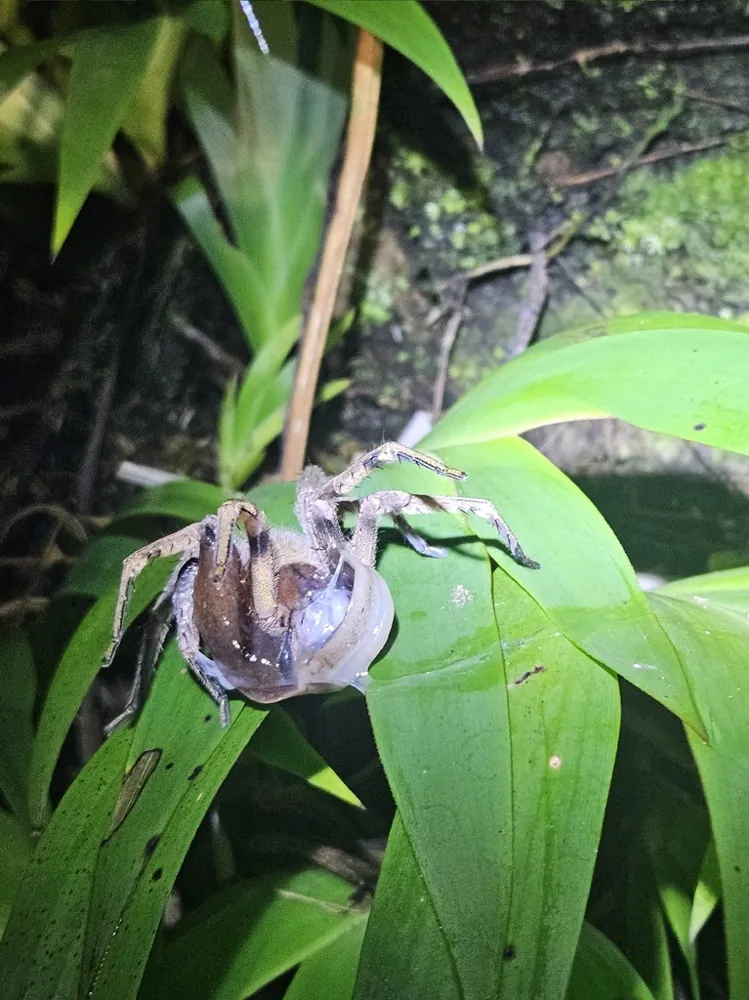
 No anndirto nde
Doole tooke
Tooke ina yalta e ñiiƴe mum si nde ŋatii.
Hol ko tooke mum (ŋatol walla fiɗol) waɗata?
Its venom contains many neurotoxins, which are poisons that affect the nerves. They mainly act on sodium and calcium ion channels, which are the gates that let charged particles move in and out of nerve and muscle cells. The venom also contains enzymes, including serine proteases, metalloproteases, cholinesterases and hyaluronidases, which may explain some of the effects of a bite.1
Hol no nde woni bone e yimɓe?
Bone e yimɓe: Bone mawɗoŊatol ina haani doktaa. Maayde ina woodi seeɗa sanne.Most recorded human bites caused mild to moderate symptoms. All the recorded bites were from adult spiders. One bite caused severe symptoms, including kidney failure (renal failure).1
 Si nde ŋatii
- Lootu ŋatol ngol, waɗu kankara dow mum ngam muusu. Heɓu ballal doktaa si muusu ina tiiɗi, ina yaajoo, walla neɗɗo oo ɓanndu mum welaani.
Sahaa fof, noddu lamba ballal yaawngal (112, 000, 911) ko adii. Ɗum ko ballal arano kuuɓal, wonaa wasiyya doktaa. Aslu ballal arano
 Reen hoore maa
- Taa memu, taa nanngu, taa aaɓnu dabbaare ladde abada, hay pamaro, hay si ina wayi no ɗaanii walla maayii.
- Accu nde nokku. Si a fottii e gooto, deeƴu, ruttu caggal seeɗa seeɗa, accu nde yaha laawol mum.
- Si gooto e majji ŋatii ma: deeƴu, taa dillu, noddu lamba ballal yaawngal (112, 000, 911) walla yah asibiti law. Siftor no nde wayri, foto ina walla.
Nde ɗaɓɓaaki ma. Nde huutora tooke mum ngam nanngude ñaamdu walla reende hoore mum, nde ɓuri yiɗde suuɗaade. Ɓeydu anndude no reentorto
Hol to e aduna?
Hol no nde mawni?
Hol no nde juuti?
 juuti no bulok fijo 3 jokkondiraaɗi
 ina waawi dogde meeter 100 nder sakan 200 (neɗɗo ɓurɗo yaawde ina haani 9,6)
Hol no Central American wandering spider mawni, fottindaade e AAN?
Hiisa tan nder browser maa. Alaa ko mooftetee walla ko neletee.
Hol no nde yaawi?


Anndal
Each egg sac can hold up to 1300 eggs, which is far more than most spiders produce.1
Adult females can have a stride length of more than 10 centimetres.1
Spiderlings become adults only after 14 to 17 moults.1
Sexual maturity is reached 300 to 465 days after the spiderlings leave the egg sac.1
It prefers disturbed land, such as areas changed by people, rather than deep undisturbed forest.1
Ɗo anndal iwi
- Phoneutria depilata (Wikipedia (CC BY-SA 4.0))
- Phoneutria depilata (iNaturalist): inɗe e tolnugol.
- Venom Wiki: darja bone, mawnude woowaaɗo e miijo yaawre ko amen. Ndaar no min hiisirta ɗum: No min betiri bone.
Kala anndal e ngoo hello ina jogii limre hollirnde iwdi mum. Si min juumii, accu min, min yiɗɓe dabbaaji, wonaa jaridaa ganndal. Wiy min e [email protected] min feewnitay.
 Yaare nden ina heege! Venom Wiki ko golle neɗɗo gooto: meere, tawa tallaaji alaa, trackers alaa. Ballal pamarngal ina walla heddinde ɗum e internet.Ñaamnu yaare nden
 Brazilian wandering spider
 Brown recluse
 Southern black widow
 Amazon wandering spider
 Chilean recluse
 Northern black widow
 Terciopelo
 Eastern coral snake
 Eastern diamondback rattlesnake
 Eyelash viper
 Timber rattlesnake
 Western diamondback rattlesnake