
 Afirik
 Asiya
Asiya Turai
Turai Amerik Worgo
 Australiya e Oseaniya
 Antarktika
 Baharu Pasifik
 Baharu Atlantik
 Baharu Indiya
 Baharu Arktik
 Baharu Mediterane
 Baharu Boɗeeru
 Baharu Karibiya
 Baharu Koral
 Baharu Ciina Worgo
 Baharu Filipin
 Baharu Andaman
 Baharu Rewo
 Baharu Timor e Arafura
 Baharu Bengal
 Baharu Kaliforniya
Channel catfish
 Gi'e tooke
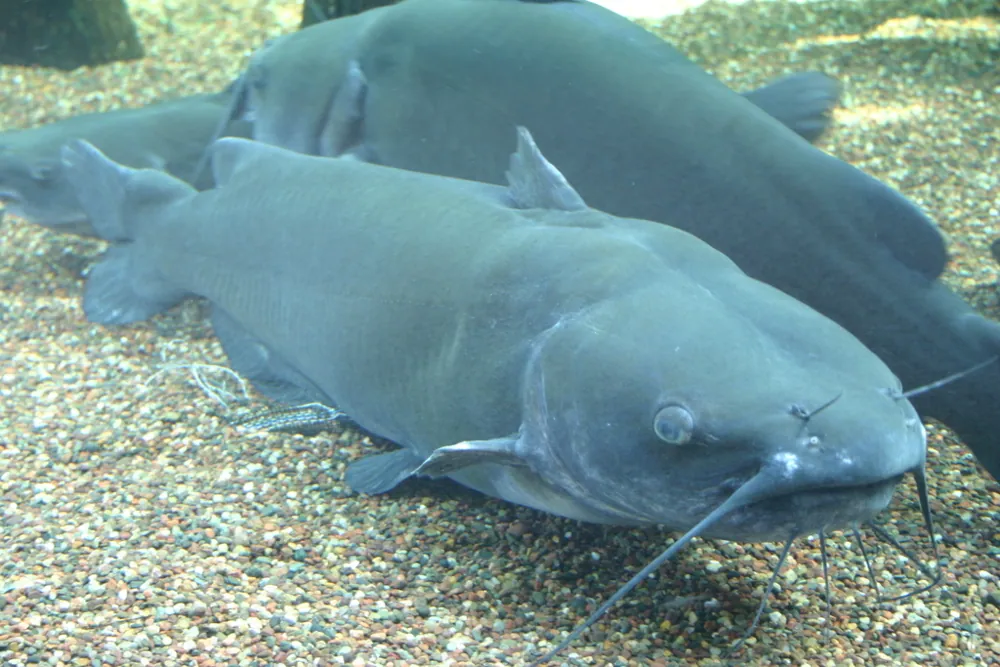
The channel catfish is a freshwater fish native to North America, and it is the continent's most common catfish. It lives in rivers, lakes, ponds and reservoirs, and it is a popular fish for anglers to catch and eat. It has spines on some of its fins that can cause a small injury if it is handled badly.1



 No anndirto nde
Doole tooke
Gi'e ceeɓɗe ina njogii tooke. Yaabude nde walla nanngude nde ina muusa.
Hol ko tooke mum (ŋatol walla fiɗol) waɗata?
The pectoral spine has poisonous tissues that help deter predators.1
Hol no nde woni bone e yimɓe?
Bone e yimɓe: Ina muusaIna waawi muusude sanne, kono ɓadii abada wonaa bone mawɗo.Its fin spines may cause injury if the fish is handled improperly. A prick from a spine is no more dangerous than a mosquito sting.1
Hol ko nde waɗata si nde hulii?
It can lock its pectoral spine as a defence, and the serrated, poison-bearing spine helps to deter predators.1
 Si gi'e mum naatii e ɓanndu maa
- Naatnu barme e ndiyam wulɗam, wulɗam no neɗɗo oo waawi muñde tawa sumataa (ƴeewu ɗam e junngo maa), hakkunde minti 30 e minti 90. Heɓu ballal doktaa, haa teeŋti e stonefish e stingray.
Sahaa fof, noddu lamba ballal yaawngal (112, 000, 911) ko adii. Ɗum ko ballal arano kuuɓal, wonaa wasiyya doktaa. Aslu ballal arano
 Reen hoore maa
- Taa memu, taa nanngu, taa aaɓnu dabbaare ladde abada, hay pamaro, hay si ina wayi no ɗaanii walla maayii.
- Accu nde nokku. Si a fottii e gooto, deeƴu, ruttu caggal seeɗa seeɗa, accu nde yaha laawol mum.
- Si gi'e mum naatii e ɓanndu maa: deeƴu, taa dillu, noddu lamba ballal yaawngal (112, 000, 911) walla yah asibiti law. Siftor no nde wayri, foto ina walla.
Nde ɗaɓɓaaki ma. Nde huutora tooke mum ngam nanngude ñaamdu walla reende hoore mum, nde ɓuri yiɗde suuɗaade. Ɓeydu anndude no reentorto
Hol to e aduna?
Hol no nde mawni?
Hol no nde juuti?
Hol no nde teddi?

 juuti no bulok fijo 9 jokkondiraaɗi
 ina waawi lumbaade njuuteendi pisin mawɗo (50 m) nder sakan 21
Hol no Channel catfish mawni, fottindaade e AAN?
Hiisa tan nder browser maa. Alaa ko mooftetee walla ko neletee.
Hol no nde yaawi?

Anndal
Taste buds cover the whole body, and they are most dense on the four pairs of barbels around the mouth.1
They can sense certain amino acids in water at about one part per 100 million, which helps them find food in murky water.1
The largest channel catfish on record weighed 26 kg and was caught in South Carolina in 1964.1
Channel catfish are the most fished catfish in the United States, with around 8 million anglers catching them each year.1
Fossils of this species have been found in central North America from the Miocene onwards, and the species has lasted for nearly 20 million years.1
Kansas, Missouri, Nebraska and Tennessee have made the channel catfish their official state fish.1
Feññinoowo goonga
Fenaande: Channel catfish barbels can sting when touched.
Goonga: The barbels cannot sting. The spines on the pectoral and dorsal fins are the only part that can cause injury.1
Ɗo anndal iwi
- Channel catfish (Wikipedia (CC BY-SA 4.0))
- Ictalurus punctatus (iNaturalist): inɗe e tolnugol.
- Venom Wiki: darja bone, mawnude woowaaɗo e miijo yaawre ko amen. Ndaar no min hiisirta ɗum: No min betiri bone.
Kala anndal e ngoo hello ina jogii limre hollirnde iwdi mum. Si min juumii, accu min, min yiɗɓe dabbaaji, wonaa jaridaa ganndal. Wiy min e [email protected] min feewnitay.
 Yaare nden ina heege! Venom Wiki ko golle neɗɗo gooto: meere, tawa tallaaji alaa, trackers alaa. Ballal pamarngal ina walla heddinde ɗum e internet.Ñaamnu yaare nden
 Brown bullhead
 Carolina madtom
 Margined madtom
 Stonecat
 Tadpole madtom
 Reef stonefish
 Terciopelo
 Eastern coral snake
 Eastern diamondback rattlesnake
 Eyelash viper
 Timber rattlesnake
 Western diamondback rattlesnake