
 Afirik
 Asiya
Asiya Turai
Turai Amerik Worgo
 Australiya e Oseaniya
 Antarktika
 Baharu Pasifik
 Baharu Atlantik
 Baharu Indiya
 Baharu Arktik
 Baharu Mediterane
 Baharu Boɗeeru
 Baharu Karibiya
 Baharu Koral
 Baharu Ciina Worgo
 Baharu Filipin
 Baharu Andaman
 Baharu Rewo
 Baharu Timor e Arafura
 Baharu Bengal
 Baharu Kaliforniya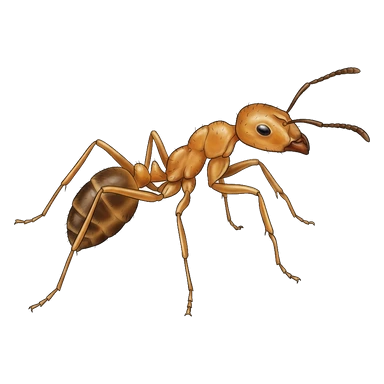
Electric ant
 Ina fiɗa
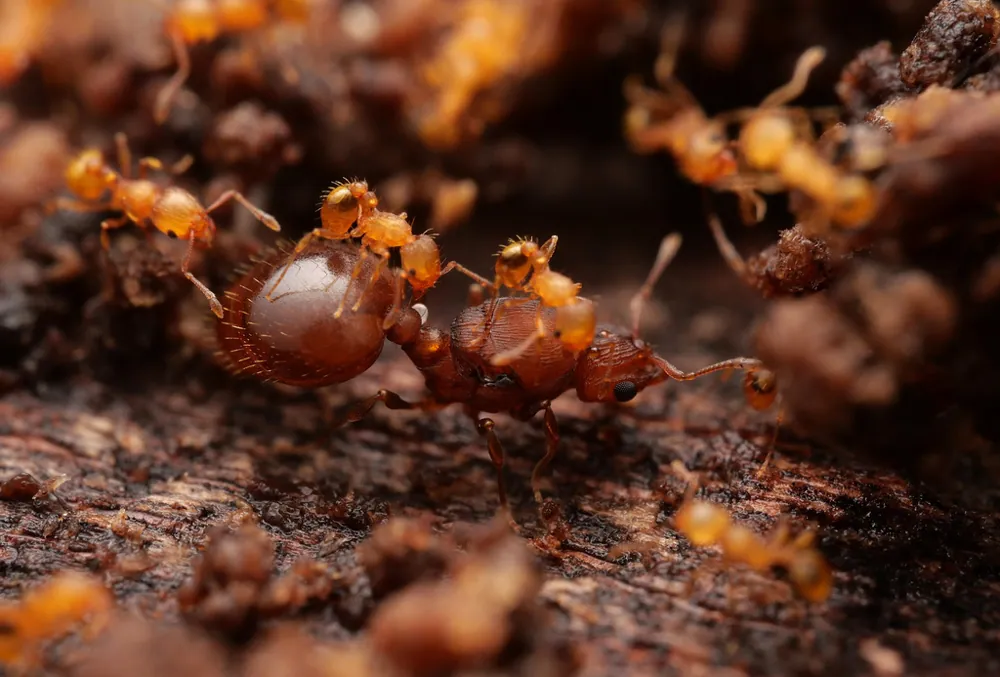
The electric ant, also called the little fire ant, is a tiny ant, about 1.5 mm long, that can give a surprisingly painful sting. It first lived in Central and South America, but it has spread to many other parts of the world. It is an invasive species that harms native wildlife, crops and pets.1



 No anndirto nde
Doole tooke
Tooke ina yalta e fiɗirgal.
Hol ko tooke mum (ŋatol walla fiɗol) waɗata?
It has a venomous sting that is painful for its size. Stings cause itchy, painful welts up to about 2.5 cm long. The sting can also subdue large insects and vertebrate prey.1
Hol no nde woni bone e yimɓe?
Bone e yimɓe: Ina muusaIna waawi muusude sanne, kono ɓadii abada wonaa bone mawɗo.The ants will readily attack people, and their stings can be painful out of proportion to their size. They can blind pets and large domestic animals, such as cats and dogs, if stung around the eyes. They also harm farming, by stripping nutrients from crops and making them more open to disease and pests.1
 Si nde fiɗii
- Lootu fiɗe ɗe, ɓuuɓnu ɗe.
- Si neɗɗo oo ina tampa foofde, yeeso walla daande mum ina ɓutta, walla ina yiɗi waasude hakkille, ɗum ko musiiba allergy: noddu lamba ballal yaawngal.
Sahaa fof, noddu lamba ballal yaawngal (112, 000, 911) ko adii. Ɗum ko ballal arano kuuɓal, wonaa wasiyya doktaa. Aslu ballal arano
 Reen hoore maa
- Taa memu, taa nanngu, taa aaɓnu dabbaare ladde abada, hay pamaro, hay si ina wayi no ɗaanii walla maayii.
- Accu nde nokku. Si a fottii e gooto, deeƴu, ruttu caggal seeɗa seeɗa, accu nde yaha laawol mum.
- Si gooto e majji fiɗii ma: deeƴu, taa dillu, noddu lamba ballal yaawngal (112, 000, 911) walla yah asibiti law. Siftor no nde wayri, foto ina walla.
Nde ɗaɓɓaaki ma. Nde huutora tooke mum ngam nanngude ñaamdu walla reende hoore mum, nde ɓuri yiɗde suuɗaade. Ɓeydu anndude no reentorto
Hol to e aduna?
Hol no nde mawni?
Hol no nde juuti?
 pamaro haa ina waawi joɗaade dow ceɓre feɗeendu maa
 ɓuri leeltude katantanwa ngesa
Hol no Electric ant mawni, fottindaade e AAN?
Hiisa tan nder browser maa. Alaa ko mooftetee walla ko neletee.
Hol no nde yaawi?

Anndal
In the Galapagos Islands, it is considered one of the most aggressive introduced species, and it has contributed to declines in tortoise populations by eating hatchlings and attacking adult eyes.1
Its sting is painful far out of proportion to its tiny size.1
Queens can produce daughters that are genetic copies of themselves, while workers are produced sexually.1
It has been found in cold places such as Canada and England, where it survives in large buildings and greenhouses.1
It is a suspected link to Florida keratopathy, an eye condition, although this is not confirmed.1
It was once introduced to plantations in Gabon and Cameroon as a biological control agent.1
Ɗo anndal iwi
- Electric ant (Wikipedia (CC BY-SA 4.0))
- Wasmannia auropunctata (iNaturalist): inɗe e tolnugol.
- Venom Wiki: darja bone, mawnude woowaaɗo e miijo yaawre ko amen. Ndaar no min hiisirta ɗum: No min betiri bone.
Kala anndal e ngoo hello ina jogii limre hollirnde iwdi mum. Si min juumii, accu min, min yiɗɓe dabbaaji, wonaa jaridaa ganndal. Wiy min e [email protected] min feewnitay.
 Yaare nden ina heege! Venom Wiki ko golle neɗɗo gooto: meere, tawa tallaaji alaa, trackers alaa. Ballal pamarngal ina walla heddinde ɗum e internet.Ñaamnu yaare nden
 Bullet ant
 Red imported fire ant
 Army ant
 Giant Amazonian ant
 Maricopa harvester ant
 Trap-jaw ant
 Terciopelo
 Eastern coral snake
 Eastern diamondback rattlesnake
 Eyelash viper
 Timber rattlesnake
 Western diamondback rattlesnake