
 Afirik
 Asiya
Asiya Turai
Turai Amerik Worgo
 Australiya e Oseaniya
 Antarktika
 Baharu Pasifik
 Baharu Atlantik
 Baharu Indiya
 Baharu Arktik
 Baharu Mediterane
 Baharu Boɗeeru
 Baharu Karibiya
 Baharu Koral
 Baharu Ciina Worgo
 Baharu Filipin
 Baharu Andaman
 Baharu Rewo
 Baharu Timor e Arafura
 Baharu Bengal
 Baharu Kaliforniya
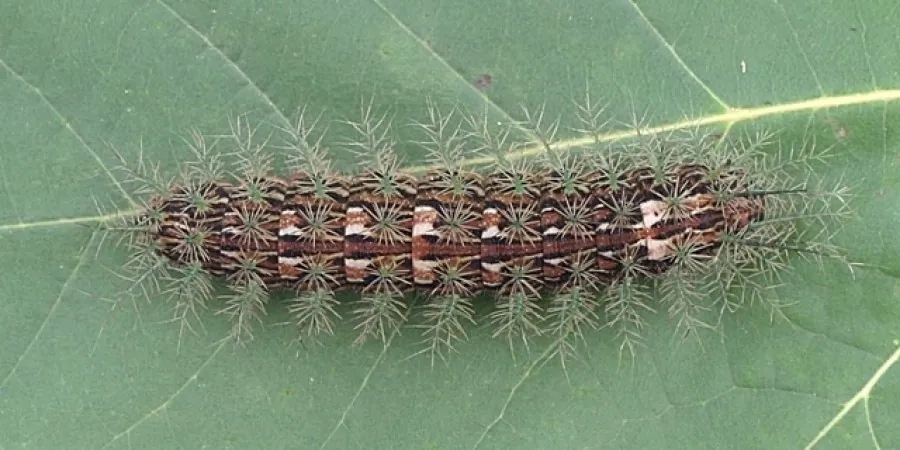
Giant silkworm moth caterpillar
 Leeɓi fiɗooji
This is the caterpillar of a large moth from South America, the giant silk moth. The caterpillar is famous for its venom, which is one of the most dangerous of any caterpillar. It lives in southern Brazil and nearby countries, and it has caused many deaths.1
 No anndirto nde
Doole tooke
Leeɓi pamari walla gi'e pamari ina taƴa nder nguru, ina fiɗa.
Hol ko tooke mum (ŋatol walla fiɗol) waɗata?
The venom is held in sacs at the base of each spine and flows through the hollow spines into the wound. It causes disseminated intravascular coagulation, which stops the blood from clotting and leads to bleeding into the tissues and internal organs. After an initial phase of headache, fever, vomiting and malaise, a severe bleeding disorder can develop after about 24 hours.1
Hol no nde woni bone e yimɓe?
Bone e yimɓe: Bone sanneIna waawi warde neɗɗo mo heɓaali safaara.The caterpillar has been responsible for at least 500 deaths. In Brazil, 42,264 accidents were recorded between 2007 and 2017, of which 248 were severe and five were fatal. The reported death rate is 2.5%. Most victims were male (63%), and 45% were between 0 and 21 years old.1
 Kabaru moƴƴo: doktaaɓe ina njogii lekki (antivenom) walla safaara ngam ɗum.1
Hol ko nde waɗata si nde hulii?
Its body is covered in hairs and spines that break off easily and inject venom into anything that touches them.1
 Si a memii leeɓi mum
- A study by Dr Robert Norris states that stings and abrasions should be treated with antifibrinolytics. If blood products are needed, they must be given with care so they do not worsen the bleeding. An antiserum made by the Butantan Institute in São Paulo reverses the clotting problems, and patients treated with it recover quickly.1
- Ngam leeɓi gilɗi fiɗooji: ittu ɗi e selotef, refti lootu nguru. Taa momtu.
- Ngam ŋatol: lootu e ɓuuɓnu. Heɓu ballal doktaa si neɗɗo oo ɓanndu mum welaani walla ƴiiƴam ina yalta mo ko newi.
Sahaa fof, noddu lamba ballal yaawngal (112, 000, 911) ko adii. Ɗum ko ballal arano kuuɓal, wonaa wasiyya doktaa. Aslu ballal arano
 Reen hoore maa
- Taa memu, taa nanngu, taa aaɓnu dabbaare ladde abada, hay pamaro, hay si ina wayi no ɗaanii walla maayii.
- Accu nde nokku. Si a fottii e gooto, deeƴu, ruttu caggal seeɗa seeɗa, accu nde yaha laawol mum.
- Si a memii leeɓi mum: deeƴu, taa dillu, noddu lamba ballal yaawngal (112, 000, 911) walla yah asibiti law. Siftor no nde wayri, foto ina walla.
Nde ɗaɓɓaaki ma. Nde huutora tooke mum ngam nanngude ñaamdu walla reende hoore mum, nde ɓuri yiɗde suuɗaade. Ɓeydu anndude no reentorto
Hol to e aduna?
Hol no nde mawni?
Hol no nde juuti?
 juuti no bulok fijo 2 jokkondiraaɗi
 ɓuri leeltude katantanwa ngesa
Hol no Giant silkworm moth caterpillar mawni, fottindaade e AAN?
Hiisa tan nder browser maa. Alaa ko mooftetee walla ko neletee.
Hol no nde yaawi?

Anndal
Guinness World Records lists it as the most venomous caterpillar in the world.1
Before studies of Lonomia caterpillars, it was not known that caterpillars could produce enough toxin to kill a person.1
Its venom contains anti-clotting agents that have been studied for possible medical uses, including a component called Lopap.1
The first known epidemic happened in an farming community in Rio Grande do Sul, where victims had only handled leafy branches before their symptoms began.1
Only two of the 26 Lonomia species found in the Americas, L. obliqua and L. achelous, have caused severe reactions.1
Feññinoowo goonga
Fenaande: Caterpillars cannot produce toxins strong enough to kill a person.
Goonga: This caterpillar's venom can kill. At least 500 deaths have been linked to it.1
Ɗo anndal iwi
- Lonomia obliqua (Wikipedia (CC BY-SA 4.0))
- Lonomia obliqua (iNaturalist): inɗe e tolnugol.
- Venom Wiki: darja bone, mawnude woowaaɗo e miijo yaawre ko amen. Ndaar no min hiisirta ɗum: No min betiri bone.
Kala anndal e ngoo hello ina jogii limre hollirnde iwdi mum. Si min juumii, accu min, min yiɗɓe dabbaaji, wonaa jaridaa ganndal. Wiy min e [email protected] min feewnitay.
 Yaare nden ina heege! Venom Wiki ko golle neɗɗo gooto: meere, tawa tallaaji alaa, trackers alaa. Ballal pamarngal ina walla heddinde ɗum e internet.Ñaamnu yaare nden
Goɗɗi e fedde wootere: Gilɗi leeɓi e dabbaaji pamari
 Vinchuca kissing bugGilɗi leeɓi e dabbaaji pamariIna haani doktaa
 Venezuelan fire caterpillarGilɗi leeɓi e dabbaaji pamariIna waawi wardeTaa memu
 Pararama caterpillarGilɗi leeɓi e dabbaaji pamariIna haani doktaaTaa memu
 Rhodnius kissing bugGilɗi leeɓi e dabbaaji pamariIna haani doktaa
 Yellowtail moth of the mangrovesGilɗi leeɓi e dabbaaji pamariIna muusa tanTaa memu
 Milkweed assassin bugGilɗi leeɓi e dabbaaji pamariAlaa bone
 Paaɓi tooke kaŋŋe
 Terciopelo
 Brazilian wandering spider
 Eyelash viper
 Golden lancehead
 South American bushmaster