
 Afirik
 Asiya
Asiya Turai
Turai Amerik Worgo
 Australiya e Oseaniya
 Antarktika
 Baharu Pasifik
 Baharu Atlantik
 Baharu Indiya
 Baharu Arktik
 Baharu Mediterane
 Baharu Boɗeeru
 Baharu Karibiya
 Baharu Koral
 Baharu Ciina Worgo
 Baharu Filipin
 Baharu Andaman
 Baharu Rewo
 Baharu Timor e Arafura
 Baharu Bengal
 Baharu Kaliforniya
Israeli mole viper
 Ina ŋata
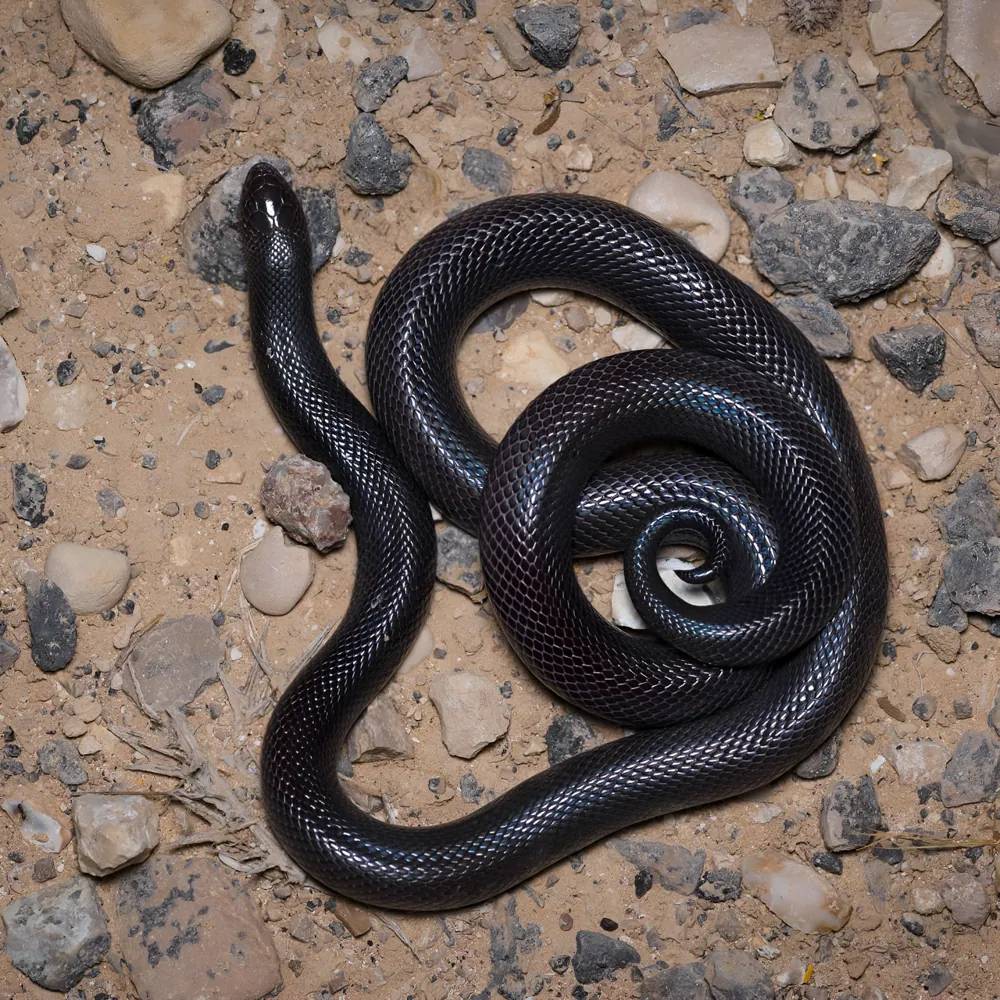
The Israeli mole viper is a small, dark, venomous snake that lives in deserts in the Middle East. It spends most of its time underground or hidden under rocks, and it is active mainly at night. It is one of the most venomous snakes in its region, but bites to people are rare.1



 No anndirto nde
Doole tooke
Tooke ina yalta e ñiiƴe mum si nde ŋatii.
Hol ko tooke mum (ŋatol walla fiɗol) waɗata?
Its venom contains three toxins called sarafotoxins, which act strongly on the heart. The venom affects the heart's electrical rhythm, causing an A-V block, which means the signal between the upper and lower chambers of the heart is interrupted. Death from very high doses is rapid and seems to result from effects on the nerves.1
Hol no nde woni bone e yimɓe?
Bone e yimɓe: Bone sanneIna waawi warde neɗɗo mo heɓaali safaara.It is an extremely venomous snake. Bites are rare because it lives mostly in deserts and underground and is slow to react. Most people survive a bite with little or no lasting damage, even small children with proper treatment. Only 2 to 3 fatal cases have been recorded since its discovery in 1950, the most recent in 2002, when a man tried to capture a snake near his house.1
Hol ko nde waɗata si nde hulii?
When threatened, it rolls up with its tail raised and its head hidden under its body.1
 Si nde ŋatii
- Lootu ŋatol ngol, deeƴin neɗɗo oo, heɓu ballal doktaa. Ɓoɗɗi goɗɗi (ko wayi no boomslang) ina mbaawi warde caggal awaaji.
Sahaa fof, noddu lamba ballal yaawngal (112, 000, 911) ko adii. Ɗum ko ballal arano kuuɓal, wonaa wasiyya doktaa. Aslu ballal arano
 Reen hoore maa
- Taa memu, taa nanngu, taa aaɓnu dabbaare ladde abada, hay pamaro, hay si ina wayi no ɗaanii walla maayii.
- Accu nde nokku. Si a fottii e gooto, deeƴu, ruttu caggal seeɗa seeɗa, accu nde yaha laawol mum.
- Si gooto e majji ŋatii ma: deeƴu, taa dillu, noddu lamba ballal yaawngal (112, 000, 911) walla yah asibiti law. Siftor no nde wayri, foto ina walla.
Nde ɗaɓɓaaki ma. Nde huutora tooke mum ngam nanngude ñaamdu walla reende hoore mum, nde ɓuri yiɗde suuɗaade. Ɓeydu anndude no reentorto
Hol to e aduna?
Hol no nde mawni?
Hol no nde juuti?
 juuti no ullundi galle 1,5, hinere haa laaci
 juuti no ayaba 4 jokkondiraaɗi
 ina waawi dogde meeter 100 nder sakan 75 (neɗɗo ɓurɗo yaawde ina haani 9,6)
Hol no Israeli mole viper mawni, fottindaade e AAN?
Hiisa tan nder browser maa. Alaa ko mooftetee walla ko neletee.
Hol no nde yaawi?


Anndal
Its fangs can be turned to point outside its mouth, so it can stab sideways even with its mouth closed.1
Capturing this snake is dangerous, because it can bite sideways even when held by the head. Zoologist Heinrich Mendelssohn was bitten this way when he first captured one in 1944.1
There is currently no antivenom available for this snake.1
Its eggs are large compared with its body size and with snakes in general.1
It mates in July and August, which is late compared with other snakes and may point to a tropical origin.1
It is relatively non-aggressive and slow to react, even when disturbed.1
Ngam ganduɓe tooke
- Innde ganndal
- Atractaspis engaddensis
- Fedde
- Ɓoɗɗi ñiiƴe caggal
- Besngu
- Atractaspididae2
- Tolno
- Squamata
- Nahiyaaji
- Asiya
- Ɓikkoy
- Between the end of September and November, the female lays 2 to 3 large, elongated eggs, about 7.5 cm long, in humid conditions. The young hatch after about 3 months already equipped with venom.1
- Bone e yimɓe
- 4 / 5: Bone sanne3
Ɗo anndal iwi
- Atractaspis engaddensis (Wikipedia (CC BY-SA 4.0))
- Atractaspis engaddensis (iNaturalist): inɗe e tolnugol.
- Venom Wiki: darja bone, mawnude woowaaɗo e miijo yaawre ko amen. Ndaar no min hiisirta ɗum: No min betiri bone.
Kala anndal e ngoo hello ina jogii limre hollirnde iwdi mum. Si min juumii, accu min, min yiɗɓe dabbaaji, wonaa jaridaa ganndal. Wiy min e [email protected] min feewnitay.
 Yaare nden ina heege! Venom Wiki ko golle neɗɗo gooto: meere, tawa tallaaji alaa, trackers alaa. Ballal pamarngal ina walla heddinde ɗum e internet.Ñaamnu yaare nden
 Brown tree snake
 Tiger keelback
 Red-necked keelback
 Green cat snake
 Mangrove snake
 Asian vine snake
 Yaare deathstalker
 Cobra Indiya
 Viper kiifi kaasa Indiya
 King cobra
 Puff adder
 Mboddi Russell
.png)