
 Afirik
 Asiya
Asiya Turai
Turai Amerik Worgo
 Australiya e Oseaniya
 Antarktika
 Baharu Pasifik
 Baharu Atlantik
 Baharu Indiya
 Baharu Arktik
 Baharu Mediterane
 Baharu Boɗeeru
 Baharu Karibiya
 Baharu Koral
 Baharu Ciina Worgo
 Baharu Filipin
 Baharu Andaman
 Baharu Rewo
 Baharu Timor e Arafura
 Baharu Bengal
 Baharu Kaliforniya
Mexican west coast rattlesnake
 Ina ŋata
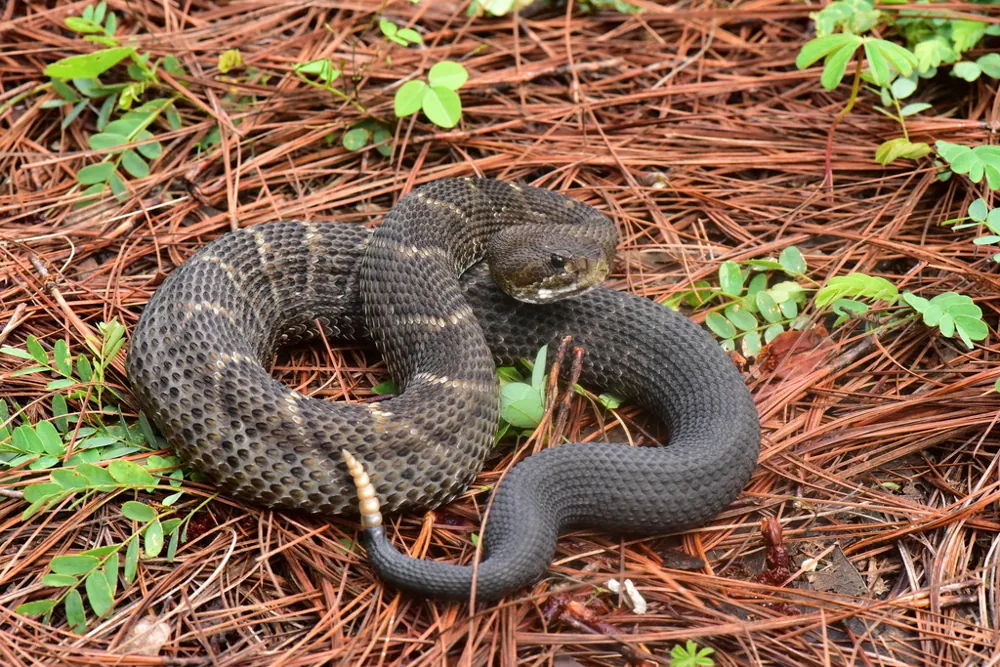
The Mexican west coast rattlesnake is a large venomous pit viper. It lives on the coastal plain of western Mexico. It is one of the largest rattlesnakes in the world, so its size and its strong venom make it one to respect.1

 No anndirto nde
- Brown or grey body with 26 to 41 dark, diamond-shaped blotches that have light edges.1
- Within its range, it is the only rattlesnake with diamond-shaped markings on its back.1
- Head is a uniform greyish-brown, with lighter lip scales and a dark bar behind each eye.1
- Young snakes are mostly red, and adults become olive green.1
- Body is moderately stout and rather rectangular in cross section.1
Ina jiiɓindiree e: It often lives in the same areas as C. molossus, and the two hybridise freely. The two species are easy to tell apart, but hybrid snakes are hard to identify.1
Doole tooke
Tooke ina yalta e ñiiƴe mum si nde ŋatii.
Hol ko tooke mum (ŋatol walla fiɗol) waɗata?
Its venom is highly toxic and is produced in large amounts. The venom contains proteases, which are enzymes that break down proteins. In some populations, it may also contain a component related to Mojave toxin.1
Hol no nde woni bone e yimɓe?
Bone e yimɓe: Bone sanneIna waawi warde neɗɗo mo heɓaali safaara.Large specimens should be regarded as very dangerous. An average venom yield of 297 mg of dried venom has been recorded.1
 Kabaru moƴƴo: doktaaɓe ina njogii lekki (antivenom) walla safaara ngam ɗum.1
 Si nde ŋatii
- Deeƴin neɗɗo oo, taa o dilla, waɗu koyngal walla junngo ŋataangal e toowal ɓernde, ittu zoobe e geɗe ɗigginiiɗe, yahra mo asibiti law.
Sahaa fof, noddu lamba ballal yaawngal (112, 000, 911) ko adii. Ɗum ko ballal arano kuuɓal, wonaa wasiyya doktaa. Aslu ballal arano
 Reen hoore maa
- Taa memu, taa nanngu, taa aaɓnu dabbaare ladde abada, hay pamaro, hay si ina wayi no ɗaanii walla maayii.
- Accu nde nokku. Si a fottii e gooto, deeƴu, ruttu caggal seeɗa seeɗa, accu nde yaha laawol mum.
- Si gooto e majji ŋatii ma: deeƴu, taa dillu, noddu lamba ballal yaawngal (112, 000, 911) walla yah asibiti law. Siftor no nde wayri, foto ina walla.
Nde ɗaɓɓaaki ma. Nde huutora tooke mum ngam nanngude ñaamdu walla reende hoore mum, nde ɓuri yiɗde suuɗaade. Ɓeydu anndude no reentorto
Hol to e aduna?
Hol no nde mawni?
Hol no nde juuti?
Hol no nde teddi?
 juuti no ullundi galle 4, hinere haa laaci
 juuti no ayaba 11 jokkondiraaɗi
 ina waawi dogde meeter 100 nder sakan 86 (neɗɗo ɓurɗo yaawde ina haani 9,6)
Hol no Mexican west coast rattlesnake mawni, fottindaade e AAN?
Hiisa tan nder browser maa. Alaa ko mooftetee walla ko neletee.
Hol no nde yaawi?


Anndal
It is one of the largest rattlesnake species, and specimens over 150 cm are not uncommon.1
Young snakes are red, and they turn olive green as they grow into adults.1
Its scientific name comes from the Greek word for king, a nod to its size and strong venom.1
It hybridises freely with C. molossus where their ranges overlap.1
Ɗo anndal iwi
- Crotalus basiliscus (Wikipedia (CC BY-SA 4.0))
- Crotalus basiliscus (iNaturalist): inɗe e tolnugol.
- Venom Wiki: darja bone, mawnude woowaaɗo e miijo yaawre ko amen. Ndaar no min hiisirta ɗum: No min betiri bone.
Kala anndal e ngoo hello ina jogii limre hollirnde iwdi mum. Si min juumii, accu min, min yiɗɓe dabbaaji, wonaa jaridaa ganndal. Wiy min e [email protected] min feewnitay.
 Yaare nden ina heege! Venom Wiki ko golle neɗɗo gooto: meere, tawa tallaaji alaa, trackers alaa. Ballal pamarngal ina walla heddinde ɗum e internet.Ñaamnu yaare nden
 Eastern diamondback rattlesnake
 Timber rattlesnake
 Western diamondback rattlesnake
 Sidewinder
 Mojave rattlesnake
 Aruba rattlesnake
 Terciopelo
 Eastern coral snake
 Eyelash viper
 Arizona bark scorpion
 Brown recluse
 Cane toad