
 Afirik
 Asiya
Asiya Turai
Turai Amerik Worgo
 Australiya e Oseaniya
 Antarktika
 Baharu Pasifik
 Baharu Atlantik
 Baharu Indiya
 Baharu Arktik
 Baharu Mediterane
 Baharu Boɗeeru
 Baharu Karibiya
 Baharu Koral
 Baharu Ciina Worgo
 Baharu Filipin
 Baharu Andaman
 Baharu Rewo
 Baharu Timor e Arafura
 Baharu Bengal
 Baharu Kaliforniya
Negev widow
 Ina ŋata
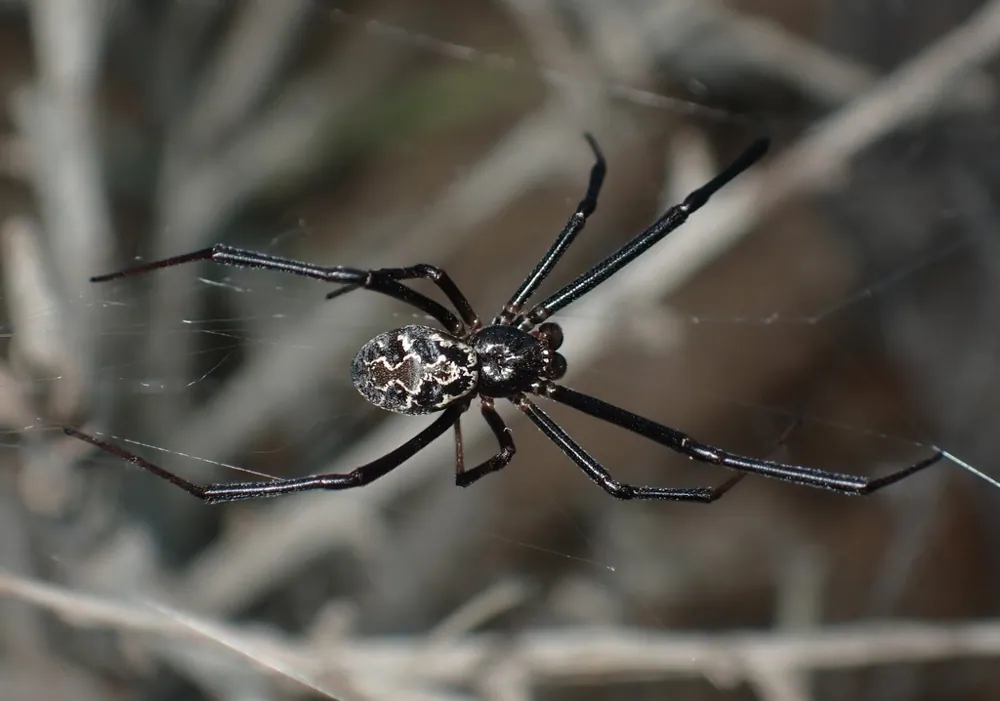
The Negev widow is a venomous spider that lives in the hot, dry deserts of the Negev and the Arava valley. It builds large webs in bushes and brush, where it hunts insects at night. Its bite can cause latrodectism, the illness caused by widow spider venom.1



 No anndirto nde
- Females are very dark brown. Pregnant females are light brown with a pale golden hue.1
- Males are brown with a patterned abdomen in various shades of brown, and may have grey-white spots and stripes on the abdomen.1
- Females measure 9 to 19 mm long. Males measure 3 to 7 mm long.1
- The web has a funnel of tightly woven silk near the top of the bush, often decorated with debris such as bits of plant, sand, rocks and snail shells.1
Doole tooke
Tooke ina yalta e ñiiƴe mum si nde ŋatii.
Hol ko tooke mum (ŋatol walla fiɗol) waɗata?
Its venom is the widow type and can cause latrodectism, which is the illness caused by bites from widow spiders. It has been reported that its venom is about as potent as that of Latrodectus tredecimguttatus.1
Hol no nde woni bone e yimɓe?
Bone e yimɓe: Ina muusaIna waawi muusude sanne, kono ɓadii abada wonaa bone mawɗo.Hol ko nde waɗata si nde hulii?
During the day it hides from sight under the densely silk-lined nest area of its web, and it is mainly active at night.1
 Si nde ŋatii
- Lootu ŋatol ngol, waɗu kankara dow mum ngam muusu. Heɓu ballal doktaa si muusu ina tiiɗi, ina yaajoo, walla neɗɗo oo ɓanndu mum welaani.
Sahaa fof, noddu lamba ballal yaawngal (112, 000, 911) ko adii. Ɗum ko ballal arano kuuɓal, wonaa wasiyya doktaa. Aslu ballal arano
 Reen hoore maa
- Taa memu, taa nanngu, taa aaɓnu dabbaare ladde abada, hay pamaro, hay si ina wayi no ɗaanii walla maayii.
- Accu nde nokku. Si a fottii e gooto, deeƴu, ruttu caggal seeɗa seeɗa, accu nde yaha laawol mum.
- Si gooto e majji ŋatii ma: deeƴu, taa dillu, noddu lamba ballal yaawngal (112, 000, 911) walla yah asibiti law. Siftor no nde wayri, foto ina walla.
Nde ɗaɓɓaaki ma. Nde huutora tooke mum ngam nanngude ñaamdu walla reende hoore mum, nde ɓuri yiɗde suuɗaade. Ɓeydu anndude no reentorto
Hol to e aduna?
Hol no nde mawni?
Hol no nde juuti?
 ɓuri famɗude njuuteendi feɗeendu maa pamaru
Hol no Negev widow mawni, fottindaade e AAN?
Hiisa tan nder browser maa. Alaa ko mooftetee walla ko neletee.
Hol no nde yaawi?


Anndal
After mating, the male may escape being eaten by living in the nest with the female for a time, but in other cases the female eats him.1
Its web has separate areas for nesting and for catching prey, and it also helps keep the spider cool by providing shade in summer.1
Its webs often include a funnel of silk decorated with debris, which may help hide the spider from predators such as birds flying overhead.1
The web's silk carries pheromones that help males find female nests.1
Its colour darkens after each moult, so the spider becomes darker as it grows older.1
Ɗo anndal iwi
- Latrodectus revivensis (Wikipedia (CC BY-SA 4.0))
- Latrodectus revivensis (iNaturalist): inɗe e tolnugol.
- Venom Wiki: darja bone, mawnude woowaaɗo e miijo yaawre ko amen. Ndaar no min hiisirta ɗum: No min betiri bone.
Kala anndal e ngoo hello ina jogii limre hollirnde iwdi mum. Si min juumii, accu min, min yiɗɓe dabbaaji, wonaa jaridaa ganndal. Wiy min e [email protected] min feewnitay.
 Yaare nden ina heege! Venom Wiki ko golle neɗɗo gooto: meere, tawa tallaaji alaa, trackers alaa. Ballal pamarngal ina walla heddinde ɗum e internet.Ñaamnu yaare nden
 Mediterranean black widow
 Diving bell spider
 European yellow sac spider
 Daddy long-legs spider
 Giant huntsman spider
 Hobo spider
 Yaare deathstalker
 Cobra Indiya
 Viper kiifi kaasa Indiya
 King cobra
 Puff adder
 Mboddi Russell