
 Afirik
 Asiya
Asiya Turai
Turai Amerik Worgo
 Australiya e Oseaniya
 Antarktika
 Baharu Pasifik
 Baharu Atlantik
 Baharu Indiya
 Baharu Arktik
 Baharu Mediterane
 Baharu Boɗeeru
 Baharu Karibiya
 Baharu Koral
 Baharu Ciina Worgo
 Baharu Filipin
 Baharu Andaman
 Baharu Rewo
 Baharu Timor e Arafura
 Baharu Bengal
 Baharu Kaliforniya
Northern scorpion
 Ina fiɗa
The northern scorpion is a small scorpion that lives across much of western and central North America. It is the only scorpion found in Canada, and it lives further north than any other scorpion species.1

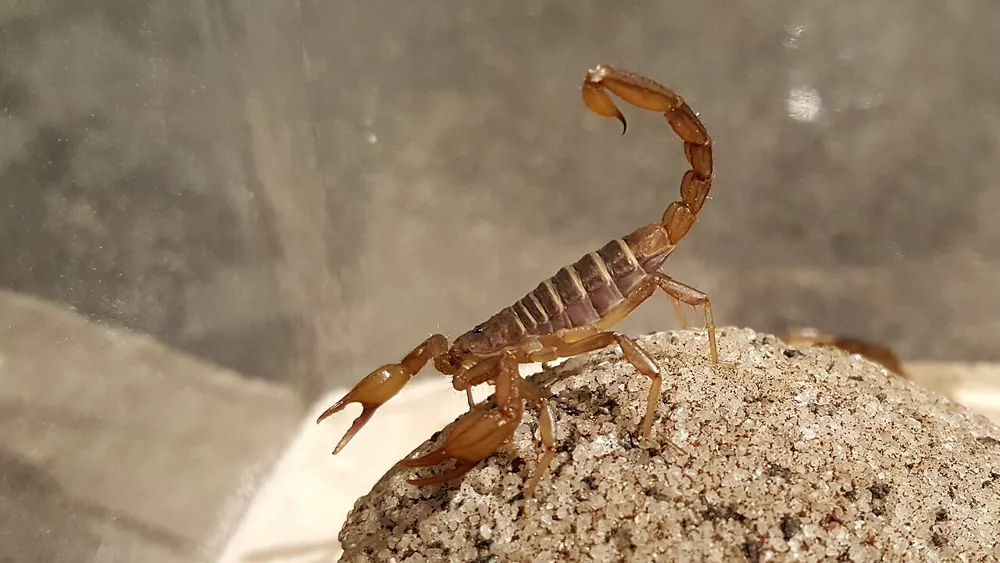
 No anndirto nde
Doole tooke
Tooke ina yalta e fiɗirgal.
Hol ko tooke mum (ŋatol walla fiɗol) waɗata?
Its sting can carry paralysing toxins, which stop prey from moving. Stung prey usually stops struggling within one minute.1
Hol no nde woni bone e yimɓe?
Bone e yimɓe: HoyɗoNo fiɗol nyaaku walla ɓuri famɗude. Ɓadii alaa bone e yimɓe.Hol ko nde waɗata si nde hulii?
Younger scorpions are more willing than adults to use their stinger both to defend themselves and to attack.1
 Si nde fiɗii
- Ɓuuɓnu fiɗol ngol e kankara, deeƴin neɗɗo oo taa o dilla. Heɓu ballal doktaa law, haa teeŋti e sukaaɓe: yaaje goɗɗe ina mbaroo sukaaɓe.
Sahaa fof, noddu lamba ballal yaawngal (112, 000, 911) ko adii. Ɗum ko ballal arano kuuɓal, wonaa wasiyya doktaa. Aslu ballal arano
 Reen hoore maa
- Taa memu, taa nanngu, taa aaɓnu dabbaare ladde abada, hay pamaro, hay si ina wayi no ɗaanii walla maayii.
- Accu nde nokku. Si a fottii e gooto, deeƴu, ruttu caggal seeɗa seeɗa, accu nde yaha laawol mum.
- Si gooto e majji fiɗii ma: deeƴu, taa dillu, noddu lamba ballal yaawngal (112, 000, 911) walla yah asibiti law. Siftor no nde wayri, foto ina walla.
Nde ɗaɓɓaaki ma. Nde huutora tooke mum ngam nanngude ñaamdu walla reende hoore mum, nde ɓuri yiɗde suuɗaade. Ɓeydu anndude no reentorto
Hol to e aduna?
Hol no nde mawni?
Hol no nde juuti?
 juuti ɓadii no kilip kaayit
 ina waawi dogde meeter 100 nder sakan 300 (neɗɗo ɓurɗo yaawde ina haani 9,6)
Hol no Northern scorpion mawni, fottindaade e AAN?
Hiisa tan nder browser maa. Alaa ko mooftetee walla ko neletee.
Hol no nde yaawi?


Anndal
When two northern scorpions fight over territory, the larger one usually wins and eats the loser. Smaller females have sometimes been seen eating larger males.1
Stinger use changes with age. Juveniles sting all their prey, while adults use their stingers on only about 30% of prey.1
Individuals can go without food for phases lasting up to 5 months.1
Young scorpions sit on their mother's back and cannot hunt until they are about 13 to 14 days old.1
Males can roam up to six times as far each day as females.1
They are almost always active at night. They come out of their burrows between 21:30 and 23:00 and stay in during rain or when temperatures drop below 10 °C.1
Ɗo anndal iwi
- Paruroctonus boreus (Wikipedia (CC BY-SA 4.0))
- Paruroctonus boreus (iNaturalist): inɗe e tolnugol.
- Venom Wiki: darja bone, mawnude woowaaɗo e miijo yaawre ko amen. Ndaar no min hiisirta ɗum: No min betiri bone.
Kala anndal e ngoo hello ina jogii limre hollirnde iwdi mum. Si min juumii, accu min, min yiɗɓe dabbaaji, wonaa jaridaa ganndal. Wiy min e [email protected] min feewnitay.
 Yaare nden ina heege! Venom Wiki ko golle neɗɗo gooto: meere, tawa tallaaji alaa, trackers alaa. Ballal pamarngal ina walla heddinde ɗum e internet.Ñaamnu yaare nden
 Arizona bark scorpion
 Cuban blue scorpion
 Striped bark scorpion
 Giant desert hairy scorpion
 Colima scorpion
 Durango scorpion
 Terciopelo
 Eastern coral snake
 Eastern diamondback rattlesnake
 Eyelash viper
 Timber rattlesnake
 Western diamondback rattlesnake