
 Afirik
 Asiya
Asiya Turai
Turai Amerik Worgo
 Australiya e Oseaniya
 Antarktika
 Baharu Pasifik
 Baharu Atlantik
 Baharu Indiya
 Baharu Arktik
 Baharu Mediterane
 Baharu Boɗeeru
 Baharu Karibiya
 Baharu Koral
 Baharu Ciina Worgo
 Baharu Filipin
 Baharu Andaman
 Baharu Rewo
 Baharu Timor e Arafura
 Baharu Bengal
 Baharu Kaliforniya
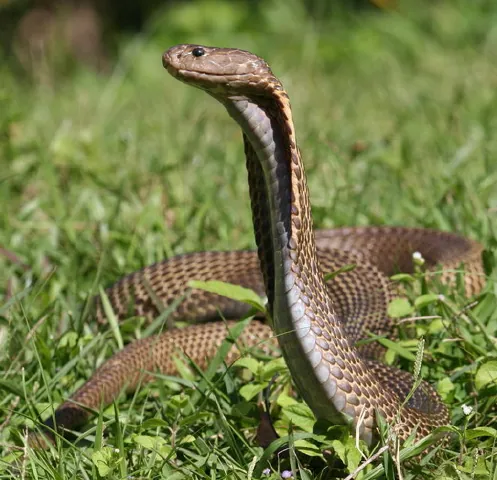
Philippine cobra
 Ina ŋata
The Philippine cobra is a stocky, highly venomous snake that lives in the northern parts of the Philippines. It is a type of spitting cobra, and its bite can cause serious breathing problems very quickly. It is important to know it because it lives close to people, in farms, villages and near water.1



 No anndirto nde
Doole tooke
Tooke ina yalta e ñiiƴe mum si nde ŋatii.
Hol ko tooke mum (ŋatol walla fiɗol) waɗata?
Its venom is a potent neurotoxin, which attacks the nerves and stops nerve signals from reaching the muscles. This can cause respiratory paralysis, meaning the victim can no longer breathe properly. Symptoms can include headache, nausea, vomiting, abdominal pain, diarrhoea, dizziness and difficulty breathing. In some cases, breathing stopped within 30 minutes of the bite.1
Hol no nde woni bone e yimɓe?
Bone e yimɓe: WarooɗoGooto e dabbaaji ɓurɗi bone e aduna.Bites cause severe neurotoxicity that comes on quickly, with little or no swelling at the bite site. In a study of 39 patients bitten by this snake in 1988, 19 developed complete respiratory failure and there were two deaths. Both people who died were already in a critical state when they reached hospital.1
Hol ko nde waɗata si nde hulii?
When threatened, it forms a hood, and females can spit venom at a target up to 3 metres away.1
 Si nde ŋatii walla nde tuuytii
- Deeƴin neɗɗo oo, taa o dilla, ittu zoobe e geɗe ɗigginiiɗe, yahra mo asibiti law: antivenom ko safaara.
- Si tooke tuuytaama nder gite, lootu ɗe e ndiyam laaɓɗam ɗuuɗɗam ɗoo ɗoon.
Sahaa fof, noddu lamba ballal yaawngal (112, 000, 911) ko adii. Ɗum ko ballal arano kuuɓal, wonaa wasiyya doktaa. Aslu ballal arano
 Reen hoore maa
- Taa memu, taa nanngu, taa aaɓnu dabbaare ladde abada, hay pamaro, hay si ina wayi no ɗaanii walla maayii.
- Accu nde nokku. Si a fottii e gooto, deeƴu, ruttu caggal seeɗa seeɗa, accu nde yaha laawol mum.
- Si gooto e majji ŋatii ma walla tuuytii tooke nder gite maa: deeƴu, taa dillu, noddu lamba ballal yaawngal (112, 000, 911) walla yah asibiti law. Siftor no nde wayri, foto ina walla.
Nde ɗaɓɓaaki ma. Nde huutora tooke mum ngam nanngude ñaamdu walla reende hoore mum, nde ɓuri yiɗde suuɗaade. Ɓeydu anndude no reentorto
Hol to e aduna?
Hol no nde mawni?
Hol no nde juuti?
 juuti no ullundi galle 3, hinere haa laaci
 juuti no ayaba 9 jokkondiraaɗi
 ina waawi dogde meeter 100 nder sakan 52 (neɗɗo ɓurɗo yaawde ina haani 9,6)
Hol no Philippine cobra mawni, fottindaade e AAN?
Hiisa tan nder browser maa. Alaa ko mooftetee walla ko neletee.
Hol no nde yaawi?


Anndal
Only female Philippine cobras have been reported to spit their venom, and they can hit a target up to 3 metres away.1
Its venom is considered one of the most toxic among cobra species, although toxicity can vary between individual snakes.1
Research has found that its venom is purely a neurotoxin, with no cardiotoxins and no obvious tissue-destroying components.1
Large rats sometimes fight back after being bitten. They can injure the snake's eyes, and this can leave it blind.1
Ɗo anndal iwi
- Philippine cobra (Wikipedia (CC BY-SA 4.0))
- Naja philippinensis (iNaturalist): inɗe e tolnugol.
- Venom Wiki: darja bone, mawnude woowaaɗo e miijo yaawre ko amen. Ndaar no min hiisirta ɗum: No min betiri bone.
Kala anndal e ngoo hello ina jogii limre hollirnde iwdi mum. Si min juumii, accu min, min yiɗɓe dabbaaji, wonaa jaridaa ganndal. Wiy min e [email protected] min feewnitay.
 Yaare nden ina heege! Venom Wiki ko golle neɗɗo gooto: meere, tawa tallaaji alaa, trackers alaa. Ballal pamarngal ina walla heddinde ɗum e internet.Ñaamnu yaare nden
 Cobra Indiya
 King cobra
 Caspian cobra
 Common krait
 Malayan krait
 Many-banded krait
 Yaare deathstalker
 Viper kiifi kaasa Indiya
 Puff adder
 Mboddi Russell
 Asian giant hornet
 Komodo dragon