
 Afirik
 Asiya
Asiya Turai
Turai Amerik Worgo
 Australiya e Oseaniya
 Antarktika
 Baharu Pasifik
 Baharu Atlantik
 Baharu Indiya
 Baharu Arktik
 Baharu Mediterane
 Baharu Boɗeeru
 Baharu Karibiya
 Baharu Koral
 Baharu Ciina Worgo
 Baharu Filipin
 Baharu Andaman
 Baharu Rewo
 Baharu Timor e Arafura
 Baharu Bengal
 Baharu Kaliforniya
Samar cobra
 Ina ŋata
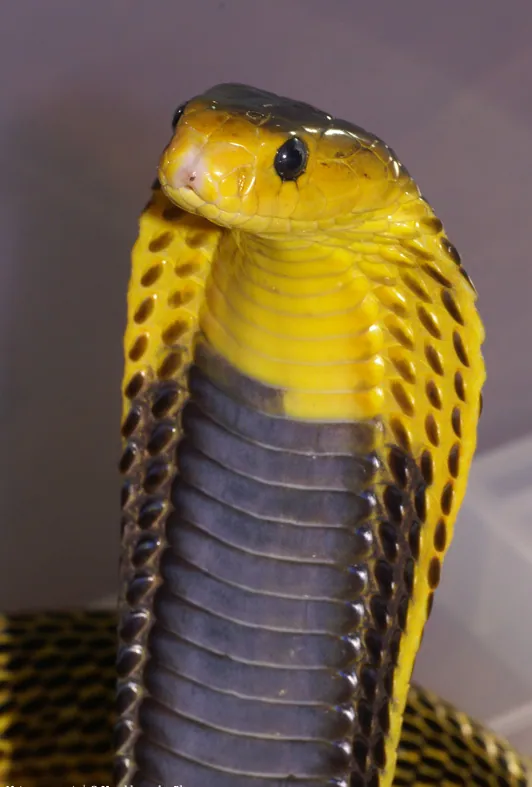
The Samar cobra is a highly venomous spitting cobra from the Visayas and Mindanao island groups of the Philippines. It can grow up to 1.4 metres long. It often lives close to people, where it hunts rats and mice around rice fields.1



 No anndirto nde
- Colour varies from black and yellow to green.1
- Can grow up to 1.4 metres (4.6 ft) long.1
- Has 17 to 25 scale rows around the hood.1
- Is quick to strike and to spray venom, usually aiming for the face and eyes.1
Ina jiiɓindiree e: It is often compared with its northern relative, the Northern Philippines cobra. The Samar cobra is more reluctant to spit venom than that species.1
Doole tooke
Tooke ina yalta e ñiiƴe mum si nde ŋatii.
Hol ko tooke mum (ŋatol walla fiɗol) waɗata?
Its venom is dominated by three-finger toxins, which make up about 90% of the venom proteins. This is the highest three-finger toxin level recorded in any snake venom. The venom also contains snake venom metalloproteinases and phospholipases A2, which damage tissue. If venom gets in the eyes, it causes extreme pain and mechanical damage to the eyeball, and can cause permanent blindness if not properly flushed out.1
Hol no nde woni bone e yimɓe?
Bone e yimɓe: Bone sanneIna waawi warde neɗɗo mo heɓaali safaara.It is described as highly venomous. Its bite and spitting venom are both dangerous, and its habit of living near people means it often comes into conflict with them.1
Hol ko nde waɗata si nde hulii?
It is nervous and quick to strike, and it sprays venom at the face and eyes when threatened.1
 Si nde ŋatii walla nde tuuytii
- If venom gets in the eyes, it must be flushed out thoroughly with lots of clean water, as incomplete flushing can lead to permanent blindness. Any bite needs urgent hospital care.1
- Deeƴin neɗɗo oo, taa o dilla, ittu zoobe e geɗe ɗigginiiɗe, yahra mo asibiti law: antivenom ko safaara.
- Si tooke tuuytaama nder gite, lootu ɗe e ndiyam laaɓɗam ɗuuɗɗam ɗoo ɗoon.
Sahaa fof, noddu lamba ballal yaawngal (112, 000, 911) ko adii. Ɗum ko ballal arano kuuɓal, wonaa wasiyya doktaa. Aslu ballal arano
 Reen hoore maa
- Taa memu, taa nanngu, taa aaɓnu dabbaare ladde abada, hay pamaro, hay si ina wayi no ɗaanii walla maayii.
- Accu nde nokku. Si a fottii e gooto, deeƴu, ruttu caggal seeɗa seeɗa, accu nde yaha laawol mum.
- Si gooto e majji ŋatii ma walla tuuytii tooke nder gite maa: deeƴu, taa dillu, noddu lamba ballal yaawngal (112, 000, 911) walla yah asibiti law. Siftor no nde wayri, foto ina walla.
Nde ɗaɓɓaaki ma. Nde huutora tooke mum ngam nanngude ñaamdu walla reende hoore mum, nde ɓuri yiɗde suuɗaade. Ɓeydu anndude no reentorto
Hol to e aduna?
Hol no nde mawni?
Hol no nde juuti?
 juuti no ullundi galle 3, hinere haa laaci
 juuti no ayaba 8 jokkondiraaɗi
 ina waawi dogde meeter 100 nder sakan 52 (neɗɗo ɓurɗo yaawde ina haani 9,6)
Hol no Samar cobra mawni, fottindaade e AAN?
Hiisa tan nder browser maa. Alaa ko mooftetee walla ko neletee.
Hol no nde yaawi?


Anndal
Three-finger toxins make up about 90% of its venom, the highest such level recorded in snake venom.1
It often comes into conflict with people because the rodents it hunts are drawn to rice paddies and human settlements.1
Its venom has a unique makeup, and it is the easternmost known spread of Naja cobras.1
Ɗo anndal iwi
- Samar cobra (Wikipedia (CC BY-SA 4.0))
- Naja samarensis (iNaturalist): inɗe e tolnugol.
- Venom Wiki: darja bone, mawnude woowaaɗo e miijo yaawre ko amen. Ndaar no min hiisirta ɗum: No min betiri bone.
Kala anndal e ngoo hello ina jogii limre hollirnde iwdi mum. Si min juumii, accu min, min yiɗɓe dabbaaji, wonaa jaridaa ganndal. Wiy min e [email protected] min feewnitay.
 Yaare nden ina heege! Venom Wiki ko golle neɗɗo gooto: meere, tawa tallaaji alaa, trackers alaa. Ballal pamarngal ina walla heddinde ɗum e internet.Ñaamnu yaare nden
 Cobra Indiya
 King cobra
 Caspian cobra
 Common krait
 Malayan krait
 Many-banded krait
 Yaare deathstalker
 Viper kiifi kaasa Indiya
 Puff adder
 Mboddi Russell
 Asian giant hornet
 Komodo dragon