
 Afirik
 Asiya
Asiya Turai
Turai Amerik Worgo
 Australiya e Oseaniya
 Antarktika
 Baharu Pasifik
 Baharu Atlantik
 Baharu Indiya
 Baharu Arktik
 Baharu Mediterane
 Baharu Boɗeeru
 Baharu Karibiya
 Baharu Koral
 Baharu Ciina Worgo
 Baharu Filipin
 Baharu Andaman
 Baharu Rewo
 Baharu Timor e Arafura
 Baharu Bengal
 Baharu Kaliforniya
Square-nosed snake
 Ina ŋata
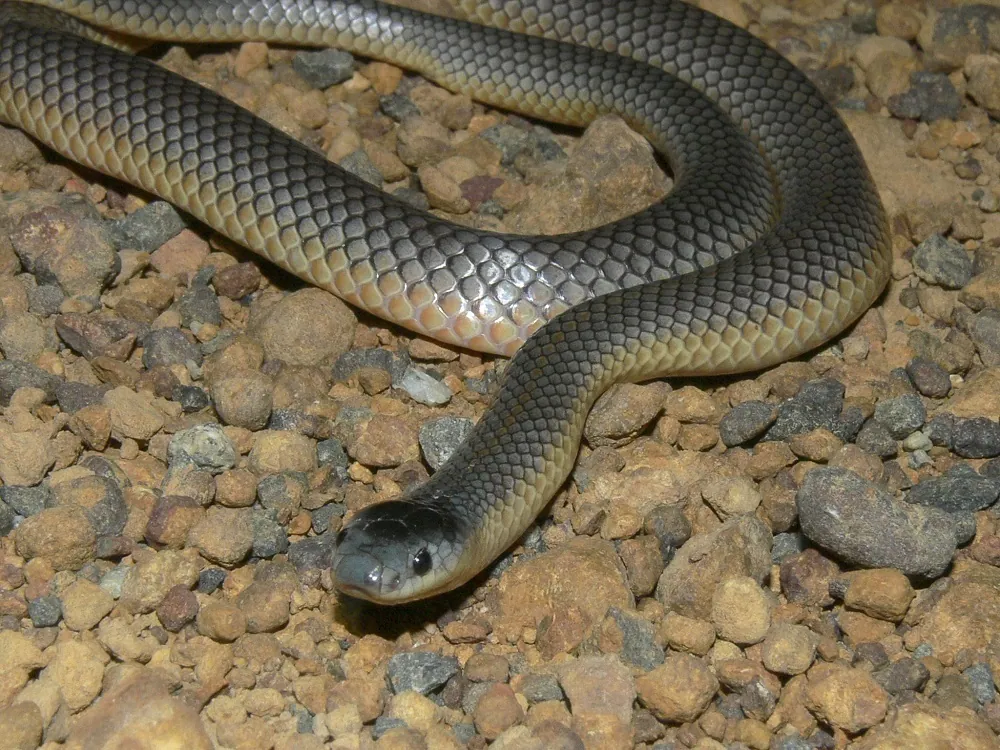
The square-nosed snake is a small, mildly venomous snake that lives only in the far south-west of Western Australia. It is named for its blunt, square-shaped snout, and it hunts small lizards in swampy places and old ant nests.1


 No anndirto nde
- Small snake, with adults averaging about 33 to 35 cm from snout to vent.1
- Adults are orange-brown on the back, with orange-red sides that fade to pale cream on the belly.1
- Some adults are bright orange across the whole back.1
- Young snakes are blue on the back with a yellow band along the sides.1
Ina jiiɓindiree e: The short-nosed snake (Elapognathus minor) lives in similar habitat and is often found alongside it.1
Doole tooke
Tooke ina yalta e ñiiƴe mum si nde ŋatii.
Hol ko tooke mum (ŋatol walla fiɗol) waɗata?
The snake is mildly venomous, and a typical bite is not dangerous to humans.1
Hol no nde woni bone e yimɓe?
Bone e yimɓe: Ina muusaIna waawi muusude sanne, kono ɓadii abada wonaa bone mawɗo.A typical bite is not dangerous to humans.1
 Si nde ŋatii
- Ɗigginde e daranɗinde (pressure immobilisation): haɓɓu bandeeji elastik ɗigginiiɗo dow ŋatol, refti haɓɓu koyngal walla junngo ngal fof haa dow, haɓɓu leggal tiiɗngal (splint) e mum, ngam neɗɗo oo wona ɗoon tawa dillaani fey haa ballal arta.
- Taa lootu ŋatol ngol: asibiti ina waawi ƴeewde tooke heddiiɗo dow nguru ngam suɓaade antivenom (lekki tooke) mo haani.
Sahaa fof, noddu lamba ballal yaawngal (112, 000, 911) ko adii. Ɗum ko ballal arano kuuɓal, wonaa wasiyya doktaa. Aslu ballal arano
 Reen hoore maa
- Taa memu, taa nanngu, taa aaɓnu dabbaare ladde abada, hay pamaro, hay si ina wayi no ɗaanii walla maayii.
- Accu nde nokku. Si a fottii e gooto, deeƴu, ruttu caggal seeɗa seeɗa, accu nde yaha laawol mum.
- Si gooto e majji ŋatii ma: deeƴu, taa dillu, noddu lamba ballal yaawngal (112, 000, 911) walla yah asibiti law. Siftor no nde wayri, foto ina walla.
Nde ɗaɓɓaaki ma. Nde huutora tooke mum ngam nanngude ñaamdu walla reende hoore mum, nde ɓuri yiɗde suuɗaade. Ɓeydu anndude no reentorto
Hol to e aduna?
Hol no nde mawni?
Hol no nde juuti?
 juuti no ayaba 2 jokkondiraaɗi
 juuti no bulok fijo 12 jokkondiraaɗi
 ina waawi dogde meeter 100 nder sakan 61 (neɗɗo ɓurɗo yaawde ina haani 9,6)
Hol no Square-nosed snake mawni, fottindaade e AAN?
Hiisa tan nder browser maa. Alaa ko mooftetee walla ko neletee.
Hol no nde yaawi?


Anndal
It is often found living in the abandoned nests of stick-ants.1
Females give birth to live young instead of laying eggs. This is called ovoviviparity, where the eggs hatch inside the mother's body.1
Despite its venom, the snake is considered mildly venomous and its typical bite is not dangerous to people.1
Its scientific genus, Rhinoplocephalus, has only this one species, so it is the sole member of its genus.1
Ɗo anndal iwi
- Rhinoplocephalus (Wikipedia (CC BY-SA 4.0))
- Rhinoplocephalus bicolor (iNaturalist): inɗe e tolnugol.
- Venom Wiki: darja bone, mawnude woowaaɗo e miijo yaawre ko amen. Ndaar no min hiisirta ɗum: No min betiri bone.
Kala anndal e ngoo hello ina jogii limre hollirnde iwdi mum. Si min juumii, accu min, min yiɗɓe dabbaaji, wonaa jaridaa ganndal. Wiy min e [email protected] min feewnitay.
 Yaare nden ina heege! Venom Wiki ko golle neɗɗo gooto: meere, tawa tallaaji alaa, trackers alaa. Ballal pamarngal ina walla heddinde ɗum e internet.Ñaamnu yaare nden
Goɗɗi e fedde wootere: Ɓoɗɗi Australiya
 Taipan takko baharu
 Death adder
 Brown snake fuɗnaange
 Taayipan joornde (Inland taipan)
 Mboddi Cewngu
 Collett's snake
Ina wona kadi e: Australiya e Oseaniya
 Gizo-gizo funnel-web SydneyTarantula e funnel-webWarooɗo
 Redback spiderGizo-gizoIna haani doktaa
 Brown tree snakeƁoɗɗi ñiiƴe caggalIna muusa tan
 Hooded pitohuiDabbaaji goɗɗi tooke memde walla ñaamdeIna muusa tanTaa memu
 PlatypusDabbaaji muynooji tookeIna muusa tan
 Northern tree-dwelling funnel-web spiderTarantula e funnel-webWarooɗo