
 Afirik
 Asiya
Asiya Turai
Turai Amerik Worgo
 Australiya e Oseaniya
 Antarktika
 Baharu Pasifik
 Baharu Atlantik
 Baharu Indiya
 Baharu Arktik
 Baharu Mediterane
 Baharu Boɗeeru
 Baharu Karibiya
 Baharu Koral
 Baharu Ciina Worgo
 Baharu Filipin
 Baharu Andaman
 Baharu Rewo
 Baharu Timor e Arafura
 Baharu Bengal
 Baharu Kaliforniya
Tropical carpenter bee
 Ina fiɗa
The broad-handed carpenter bee is a very large, solitary bee that lives across much of Southeast Asia. It digs its nests into wood, often in rafters, fallen trees and telephone poles. It is one of the largest bees in the world, and it is known for its loud, low buzz.1
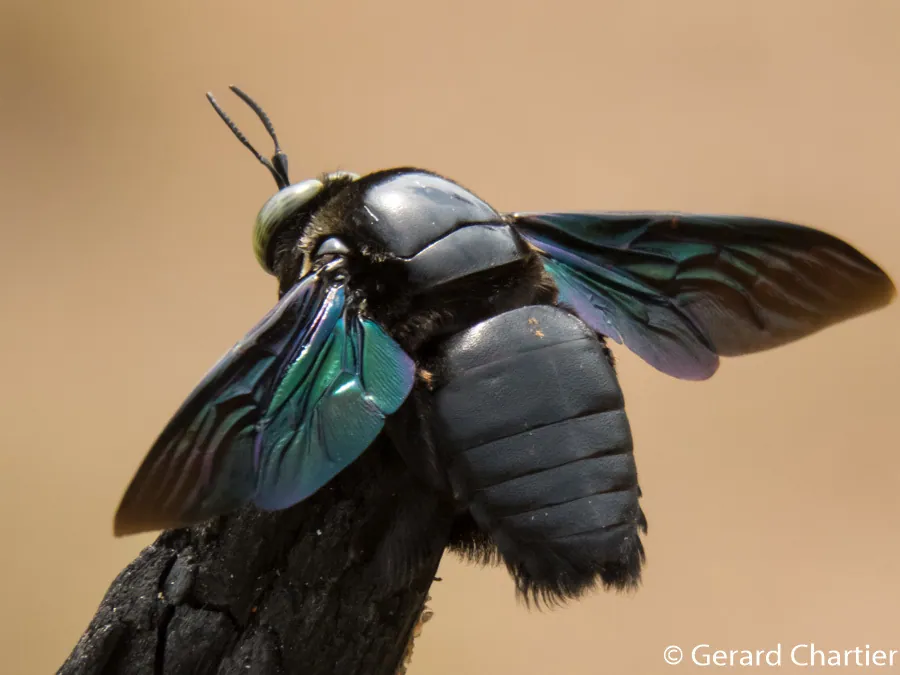
 No anndirto nde
Doole tooke
Tooke ina yalta e fiɗirgal.
Hol no nde woni bone e yimɓe?
Bone e yimɓe: HoyɗoNo fiɗol nyaaku walla ɓuri famɗude. Ɓadii alaa bone e yimɓe. Si nde fiɗii
- Ittu fiɗirgal nyaaku e ɗiwtude ngal, ɓuuɓnu nokku oo.
- Si neɗɗo oo ina tampa foofde, yeeso walla daande mum ina ɓutta, walla ina yiɗi waasude hakkille, ɗum ko musiiba allergy: noddu lamba ballal yaawngal, huutoro allura adrenaline mum (adrenaline pen) si o jogii.
Sahaa fof, noddu lamba ballal yaawngal (112, 000, 911) ko adii. Ɗum ko ballal arano kuuɓal, wonaa wasiyya doktaa. Aslu ballal arano
 Reen hoore maa
- Taa memu, taa nanngu, taa aaɓnu dabbaare ladde abada, hay pamaro, hay si ina wayi no ɗaanii walla maayii.
- Accu nde nokku. Si a fottii e gooto, deeƴu, ruttu caggal seeɗa seeɗa, accu nde yaha laawol mum.
- Si gooto e majji fiɗii ma: deeƴu, taa dillu, noddu lamba ballal yaawngal (112, 000, 911) walla yah asibiti law. Siftor no nde wayri, foto ina walla.
Nde ɗaɓɓaaki ma. Nde huutora tooke mum ngam nanngude ñaamdu walla reende hoore mum, nde ɓuri yiɗde suuɗaade. Ɓeydu anndude no reentorto
Hol to e aduna?
Hol no nde mawni?
Hol no nde juuti?
 juuti ɓadii no kilip kaayit
 ina waawi diwde dow nokku fijo bal fof nder sakan 10
Hol no Tropical carpenter bee mawni, fottindaade e AAN?
Hiisa tan nder browser maa. Alaa ko mooftetee walla ko neletee.
Hol no nde yaawi?


Anndal
Males mate in mid-air. They grasp the female in flight and place their front or middle legs, which have long fringes of hairs, over her compound eyes.1
It is among the largest carpenter bees and among the largest bees in the world, but it is not the largest. That title belongs to another Southeast Asian bee, the Indonesian Megachile pluto.1
Carpenter bees are used commercially in the Philippines to pollinate passion-fruit flowers, and the flowers have been found to bloom in step with the bees' foraging times.1
In urban areas, it can become attached to certain perches and return to them day after day, even after several generations.1
It can have more than two generations a year, though this depends on how many flowers are available in its habitat.1
Feññinoowo goonga
Fenaande: It is the world's largest bee.
Goonga: It is among the largest bees in the world, but the Indonesian Megachile pluto is larger.1
Ɗo anndal iwi
- Xylocopa latipes (Wikipedia (CC BY-SA 4.0))
- Xylocopa latipes (iNaturalist): inɗe e tolnugol.
- Venom Wiki: darja bone, mawnude woowaaɗo e miijo yaawre ko amen. Ndaar no min hiisirta ɗum: No min betiri bone.
Kala anndal e ngoo hello ina jogii limre hollirnde iwdi mum. Si min juumii, accu min, min yiɗɓe dabbaaji, wonaa jaridaa ganndal. Wiy min e [email protected] min feewnitay.
 Yaare nden ina heege! Venom Wiki ko golle neɗɗo gooto: meere, tawa tallaaji alaa, trackers alaa. Ballal pamarngal ina walla heddinde ɗum e internet.Ñaamnu yaare nden
Goɗɗi e fedde wootere: Nyaakuuje, zanzaro e zanzaro mawɓe
 Asian giant hornetNyaakuuje, zanzaro e zanzaro mawɓeIna waawi warde
 Common waspNyaakuuje, zanzaro e zanzaro mawɓeIna muusa tan
 European hornetNyaakuuje, zanzaro e zanzaro mawɓeIna muusa tan
 Western honey beeNyaakuuje, zanzaro e zanzaro mawɓeIna muusa tan
 Giant honey beeNyaakuuje, zanzaro e zanzaro mawɓeIna haani doktaa
 Asian hornetNyaakuuje, zanzaro e zanzaro mawɓeIna muusa tan
 Yaare deathstalker
 Cobra Indiya
 Viper kiifi kaasa Indiya
 King cobra
 Puff adder
 Mboddi Russell