
 Afirik
 Asiya
Asiya Turai
Turai Amerik Worgo
 Australiya e Oseaniya
 Antarktika
 Baharu Pasifik
 Baharu Atlantik
 Baharu Indiya
 Baharu Arktik
 Baharu Mediterane
 Baharu Boɗeeru
 Baharu Karibiya
 Baharu Koral
 Baharu Ciina Worgo
 Baharu Filipin
 Baharu Andaman
 Baharu Rewo
 Baharu Timor e Arafura
 Baharu Bengal
 Baharu Kaliforniya
Western massasauga
 Ina ŋata
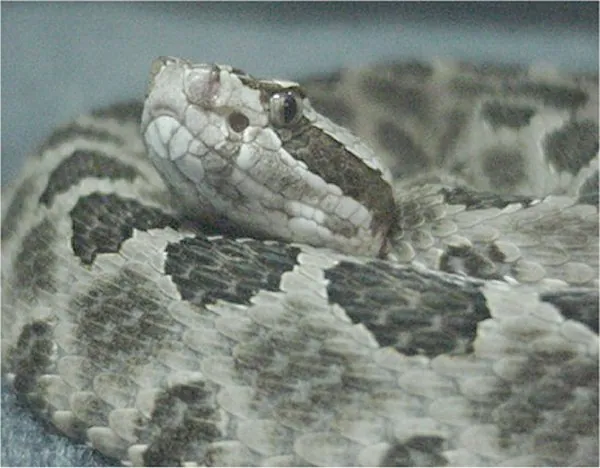
The western massasauga is a small, venomous rattlesnake. It lives on the grassy plains and deserts of the southwestern United States and northern Mexico. Its rattle is higher pitched than those of bigger rattlesnakes, so it can be easy to miss as a warning.1



 No anndirto nde
- Dark brown blotches stand out strongly against a tan-grey or light grey background.1
- The belly is light, with a few dark markings.1
- Adults range from 35 to 91 cm in total length, tail included.1
- It has a rattle, but it is higher pitched than the rattles of larger rattlesnakes.1
Ina jiiɓindiree e: Its colour pattern is similar to that of the eastern massasauga, but paler. The dark brown blotches contrast more strongly with its light ground colour.1
Doole tooke
Tooke ina yalta e ñiiƴe mum si nde ŋatii.
Hol ko tooke mum (ŋatol walla fiɗol) waɗata?
Its venom is a powerful hemotoxin, which damages blood and tissue. It can cause swelling, necrosis (death of body tissue) and severe pain. Its yield is low, so each bite delivers less venom than a larger rattlesnake's bite would.1
Hol no nde woni bone e yimɓe?
Bone e yimɓe: Bone mawɗoŊatol ina haani doktaa. Maayde ina woodi seeɗa sanne.Its bite is less severe than that of larger rattlesnakes because it delivers less venom. Even so, the bite can be fatal if it is not treated.1
 Kabaru moƴƴo: doktaaɓe ina njogii lekki (antivenom) walla safaara ngam ɗum.1
Hol ko nde waɗata si nde hulii?
Its rattle is not a reliable warning, because its high pitch is easy to miss.1
 Si nde ŋatii
- Treatment should be sought immediately for any venomous snake bite. The antivenin CroFab is not specific to this snake, but it can be used to treat severe envenomation from massasaugas.1
- Deeƴin neɗɗo oo, taa o dilla, waɗu koyngal walla junngo ŋataangal e toowal ɓernde, ittu zoobe e geɗe ɗigginiiɗe, yahra mo asibiti law.
Sahaa fof, noddu lamba ballal yaawngal (112, 000, 911) ko adii. Ɗum ko ballal arano kuuɓal, wonaa wasiyya doktaa. Aslu ballal arano
 Reen hoore maa
- Taa memu, taa nanngu, taa aaɓnu dabbaare ladde abada, hay pamaro, hay si ina wayi no ɗaanii walla maayii.
- Accu nde nokku. Si a fottii e gooto, deeƴu, ruttu caggal seeɗa seeɗa, accu nde yaha laawol mum.
- Si gooto e majji ŋatii ma: deeƴu, taa dillu, noddu lamba ballal yaawngal (112, 000, 911) walla yah asibiti law. Siftor no nde wayri, foto ina walla.
Nde ɗaɓɓaaki ma. Nde huutora tooke mum ngam nanngude ñaamdu walla reende hoore mum, nde ɓuri yiɗde suuɗaade. Ɓeydu anndude no reentorto
Hol to e aduna?
Hol no nde mawni?
Hol no nde juuti?
 juuti no ullundi galle 2, hinere haa laaci
 juuti no ayaba 5 jokkondiraaɗi
 ina waawi dogde meeter 100 nder sakan 110 (neɗɗo ɓurɗo yaawde ina haani 9,6)
Hol no Western massasauga mawni, fottindaade e AAN?
Hiisa tan nder browser maa. Alaa ko mooftetee walla ko neletee.
Hol no nde yaawi?


Anndal
Its venom is as potent as that of larger rattlesnakes, but its low yield greatly reduces the harm it can do.1
It is nicknamed the buzztail because of its high-pitched rattle.1
It is mainly active at night and is considered mild-mannered and sluggish, especially in summer, when it is sometimes found basking.1
It was once considered a subspecies of the eastern massasauga.1
Feññinoowo goonga
Fenaande: A rattle always gives a clear warning before a rattlesnake bites.
Goonga: The western massasauga's rattle is higher pitched than those of larger rattlesnakes, so it should not be relied on as a warning.1
Ɗo anndal iwi
- Sistrurus tergeminus (Wikipedia (CC BY-SA 4.0))
- Sistrurus tergeminus (iNaturalist): inɗe e tolnugol.
- Venom Wiki: darja bone, mawnude woowaaɗo e miijo yaawre ko amen. Ndaar no min hiisirta ɗum: No min betiri bone.
Kala anndal e ngoo hello ina jogii limre hollirnde iwdi mum. Si min juumii, accu min, min yiɗɓe dabbaaji, wonaa jaridaa ganndal. Wiy min e [email protected] min feewnitay.
 Yaare nden ina heege! Venom Wiki ko golle neɗɗo gooto: meere, tawa tallaaji alaa, trackers alaa. Ballal pamarngal ina walla heddinde ɗum e internet.Ñaamnu yaare nden
 Eastern diamondback rattlesnake
 Timber rattlesnake
 Western diamondback rattlesnake
 Sidewinder
 Mojave rattlesnake
 Aruba rattlesnake
 Terciopelo
 Eastern coral snake
 Eyelash viper
 Arizona bark scorpion
 Brown recluse
 Cane toad