
 Afirik
 Asiya
Asiya Turai
Turai Amerik Worgo
 Australiya e Oseaniya
 Antarktika
 Baharu Pasifik
 Baharu Atlantik
 Baharu Indiya
 Baharu Arktik
 Baharu Mediterane
 Baharu Boɗeeru
 Baharu Karibiya
 Baharu Koral
 Baharu Ciina Worgo
 Baharu Filipin
 Baharu Andaman
 Baharu Rewo
 Baharu Timor e Arafura
 Baharu Bengal
 Baharu Kaliforniya
Western rattlesnake
 Ina ŋata
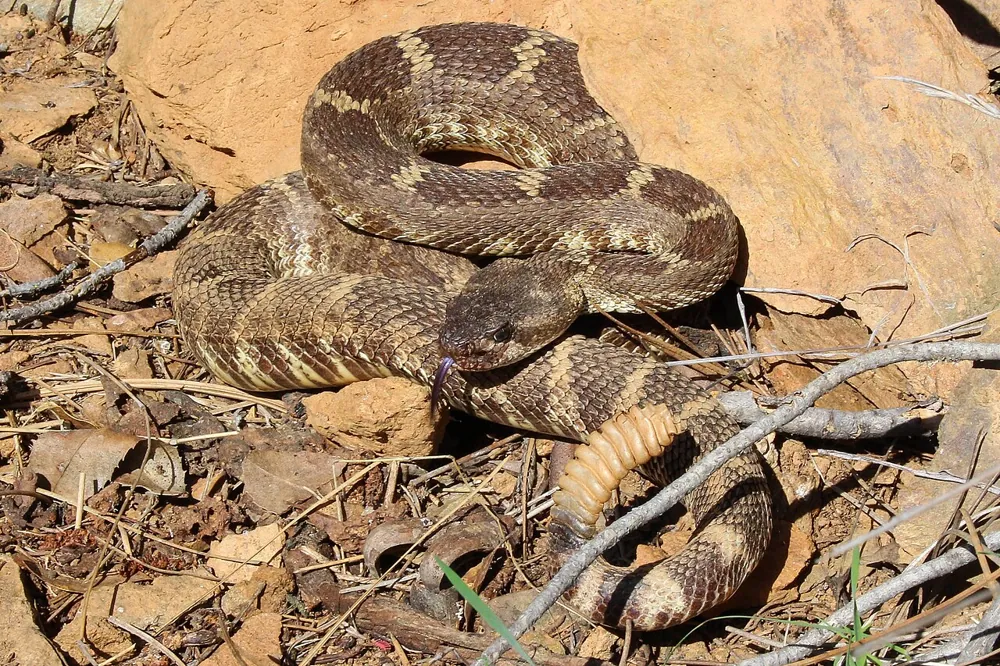
The Western rattlesnake is a venomous pit viper that lives across western North America, from the Baja California Peninsula in Mexico to the southern interior of British Columbia in Canada. It is one of only three rattlesnake species still found in Canada, which is why its populations there matter.1



 No anndirto nde
- Ground colour is dark brown, dark grey, olive-brown, or sometimes black or pale yellowish.1
- Large dark blotches run along the back, with uneven white edges, and are wider than the gaps between them.1
- A dark brown stripe with a white border runs from the eye to the angle of the jaw.1
- The belly is pale yellow, usually with brown spots.1
- Juveniles have clearer patterns that fade as the snake matures. The last two tail rings, at the base of the tail, are usually black.1
Doole tooke
Tooke ina yalta e ñiiƴe mum si nde ŋatii.
Hol ko tooke mum (ŋatol walla fiɗol) waɗata?
Its venom is both hemotoxic, meaning it damages blood and tissue, and neurotoxic, meaning it affects the nerves. In prey, it can cause paralysis, which stops the animal escaping. In people it is linked with cardiovascular effects, internal bleeding and headaches.1
Hol no nde woni bone e yimɓe?
Bone e yimɓe: Bone mawɗoŊatol ina haani doktaa. Maayde ina woodi seeɗa sanne. Si nde ŋatii
- Deeƴin neɗɗo oo, taa o dilla, waɗu koyngal walla junngo ŋataangal e toowal ɓernde, ittu zoobe e geɗe ɗigginiiɗe, yahra mo asibiti law.
Sahaa fof, noddu lamba ballal yaawngal (112, 000, 911) ko adii. Ɗum ko ballal arano kuuɓal, wonaa wasiyya doktaa. Aslu ballal arano
 Reen hoore maa
- Taa memu, taa nanngu, taa aaɓnu dabbaare ladde abada, hay pamaro, hay si ina wayi no ɗaanii walla maayii.
- Accu nde nokku. Si a fottii e gooto, deeƴu, ruttu caggal seeɗa seeɗa, accu nde yaha laawol mum.
- Si gooto e majji ŋatii ma: deeƴu, taa dillu, noddu lamba ballal yaawngal (112, 000, 911) walla yah asibiti law. Siftor no nde wayri, foto ina walla.
Nde ɗaɓɓaaki ma. Nde huutora tooke mum ngam nanngude ñaamdu walla reende hoore mum, nde ɓuri yiɗde suuɗaade. Ɓeydu anndude no reentorto
Hol to e aduna?
Hol no nde mawni?
Hol no nde juuti?
 juuti no ullundi galle 3, hinere haa laaci
 juuti no ayaba 9 jokkondiraaɗi
 ina waawi dogde meeter 100 nder sakan 97 (neɗɗo ɓurɗo yaawde ina haani 9,6)
Hol no Western rattlesnake mawni, fottindaade e AAN?
Hiisa tan nder browser maa. Alaa ko mooftetee walla ko neletee.
Hol no nde yaawi?


Anndal
Its size depends on where it lives and on its diet. Snakes that eat lizards are much smaller than those that eat birds and mammals.1
The largest recorded Western rattlesnake measured 162.6 cm, but mainland adults often reach about 100 cm.1
It makes seasonal migrations between winter and summer habitats to follow its prey.1
Mating snakes are very sensitive to disturbance and quickly separate.1
Most females breed every two years, although about 10% breed in two years in a row.1
Ngam ganduɓe tooke
- Innde ganndal
- Crotalus oreganus
- Fedde
- Rattlesnake
- Besngu
- Viperidae2
- Tolno
- Squamata
- Nahiyaaji
- Amerik Rewo
- Ɓikkoy
- It gives birth to live young, usually 3 to 8 per litter (1 to 15 is the range), in August or September. Newborns are about 19 to 28 cm long.1
- Hol no nde wonata e ladde
- Threatened in Canada (Schedule 1 federally threatened under Canada's Species at Risk Act). Previously listed as Least Concern on the IUCN Red List.1
- Bone e yimɓe
- 3 / 5: Bone mawɗo3
Ɗo anndal iwi
- Crotalus oreganus (Wikipedia (CC BY-SA 4.0))
- Crotalus oreganus (iNaturalist): inɗe e tolnugol.
- Venom Wiki: darja bone, mawnude woowaaɗo e miijo yaawre ko amen. Ndaar no min hiisirta ɗum: No min betiri bone.
Kala anndal e ngoo hello ina jogii limre hollirnde iwdi mum. Si min juumii, accu min, min yiɗɓe dabbaaji, wonaa jaridaa ganndal. Wiy min e [email protected] min feewnitay.
 Yaare nden ina heege! Venom Wiki ko golle neɗɗo gooto: meere, tawa tallaaji alaa, trackers alaa. Ballal pamarngal ina walla heddinde ɗum e internet.Ñaamnu yaare nden
 Eastern diamondback rattlesnake
 Timber rattlesnake
 Western diamondback rattlesnake
 Sidewinder
 Mojave rattlesnake
 Aruba rattlesnake
 Terciopelo
 Eastern coral snake
 Eyelash viper
 Arizona bark scorpion
 Brown recluse
 Cane toad