
 Afrik
Afrik Aazi
Aazi Orop
Orop Amerik Worgo
 Ostaraali e Oseyaani
 Antarktik
 Geec Pasifik
 Geec Atlantik
 Geec Enndo
 Geec Arktik
 Geec Mediteraane
 Geec Boɗeejo
 Geec Karayib
 Geec Korayl
 Geec Siin Worgo
 Geec Filipiin
 Geec Andaman
 Geec Rewo
 Geec Timor e Arafura
 Gulf Bengal
 Gulf Kaliforni
Blue button
 Tiimbe jukkooje
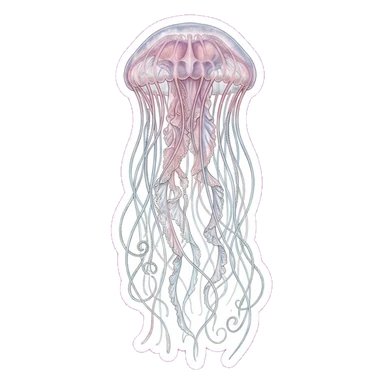
The blue button is a small sea creature that floats on the surface of warm oceans. It looks like a jellyfish, but it is really a colony of tiny animals called polyps. Its sting is not powerful, but it can cause slight skin irritation.1
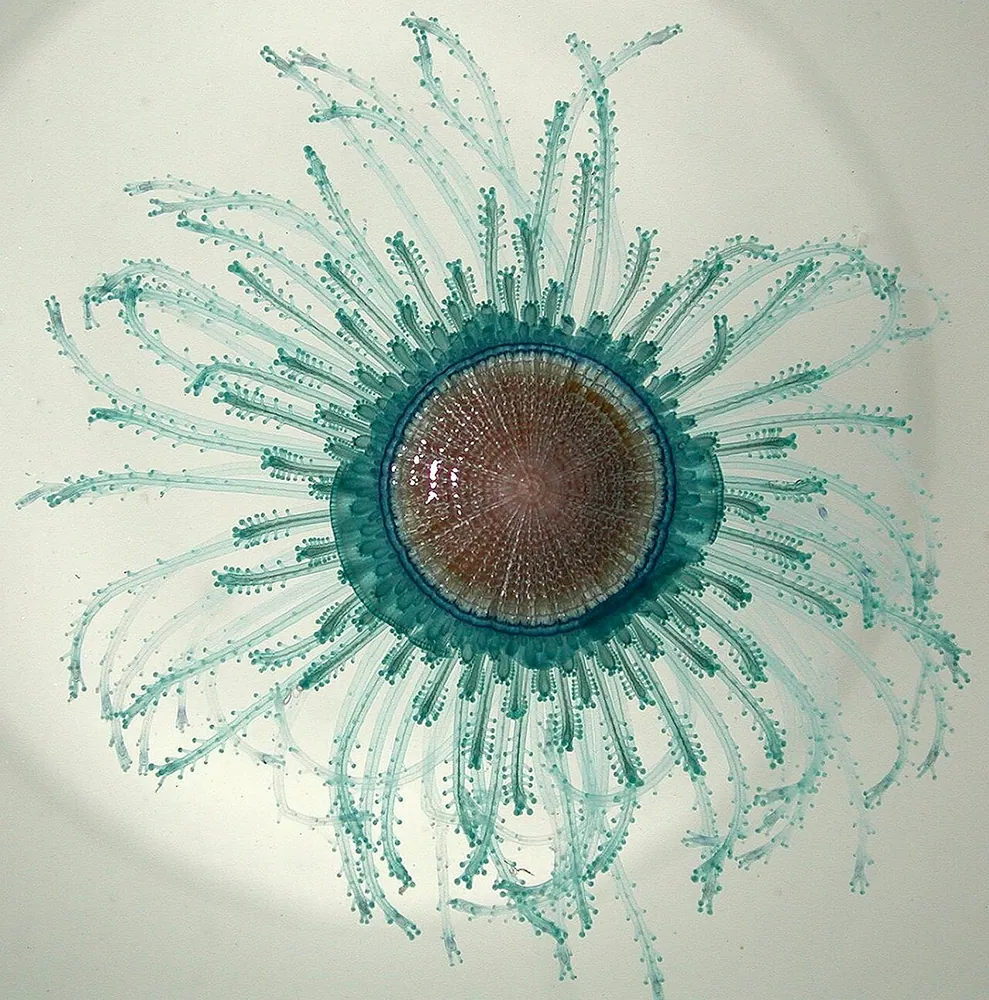
 No anndirte ngal
- A round, almost flat, hard golden brown float about one inch (2.5 cm) wide1
- Bright blue turquoise to yellow polyps hanging from the float1
- Blue strands with knobs of stinging cells at the tips1
- Looks similar to a jellyfish, but each 'individual' is a colony of polyps1
Ina heewi waylondireede e: It looks superficially like a jellyfish. It is related to Velella and to the Portuguese man o' war, which are also colonial animals that float on the surface.1
Doole tooke
Jukkirɗe tokoose guluuje ina ŋata so huunde meemii ɗe.
Hol ko tooke ŋatgol mum waɗata?
It has stinging cells called nematocysts at the tips of its tentacle-like strands. The sting is not powerful and may cause slight irritation to human skin.1
Hol no bone mum heewiri e yimɓe?
Bone e yimɓe: HoyɗoNo jukkugol ñaaki walla ko ɓuri famɗude. Ko ɓuri heewde alaa bone e yimɓe.The sting is not powerful and may cause slight irritation. In recent years, the first recorded case of contact dermatitis (a skin rash caused by contact) from this species was reported in Japan.1
 So ina jukka
- Yaltin neɗɗo oo e ndiyam, ittu kala tiimbe meduus (e gaŋte walla taƴre leppi).
- Ngam meduus kaaɗe tulnde: wuj winegar e nokkuuje jukkaaɗe, ko famɗi fof segonde 30, noddu ballal, heblo waɗde réanimation (RCP). Ngam bluebottles e ko heewi e goɗɗe: loot e ndiyam geec, refti ndiyam guleeɗam ngam muusu.
Adii fof noddu nimero urgence (112, 000, 911). Ɗum ko anndinal ballal adiingal, wonaa saaraangal doktoor. Ko adii e ballal adiingal
 Reen hoore maa
- Wota a meem, wota a nanngu, wota a ñiŋŋu kullal ladde haa abada, hay so ngal ina famɗi, hay so ina nanndi e ɗaaniingal walla maayngal.
- Accu ngal nokku. So a fotti e ngal, deƴƴu, ruttu ɓaawo seeɗa seeɗa, accu ngal yaha laawol mum.
- So gooto jukkii ma: deƴƴu, wota a dillu, noddu nimero urgence (112, 000, 911) walla yahu opitaal law. Jogo e hakkille no ngal nanndi, natal ina walla.
Ngal faalaaka gaañde ma. Ina huutoroo tooke mum ngam nanngude ñaamdu walla reenaade, ina ɓuri yiɗde suuɗaade. Ɓeydu anndude no reentortoo
Hol to e aduna?
Hol no mawniri?
Hol no juutiri?
 hedde juutde no ñippirde kaayitaaje
Hol no Blue button mawniri, so fooɗondiraama e AN?
Limgal tan e navigatoor maa. Alaa ko danndetee walla ko neldetee.
Hol no yaawiri?


Humpito
Each apparent individual is actually a colony of hydrozoan polyps, not a single animal.1
Young Malabar trevally fish shelter under the floats and panic when removed from them.1
Young Malabar trevally fish appear to prefer a particular colony and will return to their own partner when separated and put back in the same tank.1
It is preyed on by sea slugs known as blue dragons and by violet sea-snails of the genus Janthina.1
The blue button has a single mouth under its float, which it uses for both eating and removing waste.1
Feññinoowo fenaande
Fenaande: A blue button is a single jellyfish-like animal.
Goonga: Each blue button is a colony of hydrozoan polyps, which are related to anemones, corals and jellyfish.1
Ɗo humpito iwri
- Porpita porpita (Wikipedia (CC BY-SA 4.0))
- Porpita porpita (iNaturalist): inɗe e ceergal.
- Venom Wiki: tolno bone, mawnude heewnde e miijo yaawde ko amen. Yiy no men keɓirta ɗum: No men tolnirta bone.
Kala humpito e ngoo hello ina jogii limoore hollirnde iwdi mum. So men juumii, yaafo, men ko yiɗɓe kulle, wonaa jaaynde ganndal. Wiy men e [email protected], men feewnita.
 Yaare nden ina weelaa! Venom Wiki ko golle neɗɗo gooto: yoɓetaake, alaa ko jeeyetee, alaa rewɓe. Ndokkal seeɗa ina walla ngam heddude e enternet.Ñaam yaare nden
Goɗɗe e nder fedde wootere: Meduusaaji e kulle geec jukkooje
 Australian box jellyfishMeduusaaji e kulle geec jukkoojeBareejoWota a meem
 Irukandji jellyfishMeduusaaji e kulle geec jukkoojeIna waawi wardeWota a meem
 Portuguese man o' warMeduusaaji e kulle geec jukkoojeIna sokli doktoorWota a meem
 Lion's mane jellyfishMeduusaaji e kulle geec jukkoojeIna muusi tanWota a meem
 Moon jellyfishMeduusaaji e kulle geec jukkoojeAlaa bone
 Common kingslayerMeduusaaji e kulle geec jukkoojeIna waawi wardeWota a meem
Ina wuuri kadi e: Geec Pasifik
 Geography coneKokiyaas kone e pulpuujiBareejo
 Greater blue-ringed octopusKokiyaas kone e pulpuujiBareejo
 Japanese pufferfishKulle goɗɗe jogiiɗe tooke ɓannduBareejo
 Southern blue-ringed octopusKokiyaas kone e pulpuujiBareejo
 Hawksbill sea turtleKulle goɗɗe jogiiɗe tooke ɓannduIna waawi warde
 Reef stonefishLiƴƴi jogiiɗi tookeIna waawi wardeWota a meem