
 Afrik
Afrik Aazi
Aazi Orop
Orop Amerik Worgo
 Ostaraali e Oseyaani
 Antarktik
 Geec Pasifik
 Geec Atlantik
 Geec Enndo
 Geec Arktik
 Geec Mediteraane
 Geec Boɗeejo
 Geec Karayib
 Geec Korayl
 Geec Siin Worgo
 Geec Filipiin
 Geec Andaman
 Geec Rewo
 Geec Timor e Arafura
 Gulf Bengal
 Gulf Kaliforni
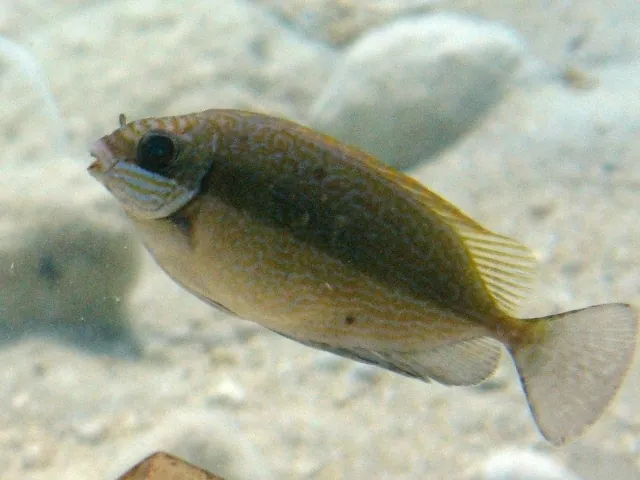
Dusky spinefoot
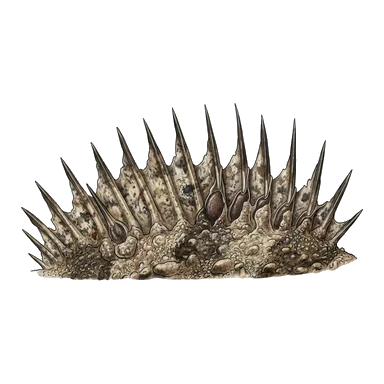 Gaaɗe tooke
The dusky spinefoot is a rabbitfish with venomous spines on its fins. It is native to the western Indian Ocean and has spread into the Mediterranean Sea through the Suez Canal. People also catch it as a food fish.1

 No anndirte ngal
Doole tooke
Gaaɗe ceeɓɗe ina ndondii tooke. Yaabde e mum walla nanngude ɗum ina muusi.
Hol ko tooke ŋatgol mum waɗata?
The spines on its fins produce venom. In a study of a related rabbitfish, the venom was found to be similar to stonefish venom.1
Hol no bone mum heewiri e yimɓe?
Bone e yimɓe: MuusɗoIna waawi muusde sanne, kono hertaani wonde huunde mawnde.When eaten, it has been linked to cases of mild ciguatera-like poisoning. Ciguatera is a form of food poisoning caused by toxins in some reef fish.1
Hol ko ngal waɗata so ina hula?
When threatened, it stops suddenly and raises its dorsal, anal and pelvic fins, showing an array of venomous spines around its body.1
 So gaaɗe mum tuƴii ma
- Naatnu gaañande nden e ndiyam guleeɗam, guleeɗam no neɗɗo oo waawi muññude tawa sumaani (ƴeewr ɗum e jungo maa), hojomaaji 30 haa 90. Heɓ ballal cafrol, ɓuri noon ngam liƴƴi kaaƴe e liƴƴi raay.
Adii fof noddu nimero urgence (112, 000, 911). Ɗum ko anndinal ballal adiingal, wonaa saaraangal doktoor. Ko adii e ballal adiingal
 Reen hoore maa
- Wota a meem, wota a nanngu, wota a ñiŋŋu kullal ladde haa abada, hay so ngal ina famɗi, hay so ina nanndi e ɗaaniingal walla maayngal.
- Accu ngal nokku. So a fotti e ngal, deƴƴu, ruttu ɓaawo seeɗa seeɗa, accu ngal yaha laawol mum.
- So gaaɗe mum tuƴii ma: deƴƴu, wota a dillu, noddu nimero urgence (112, 000, 911) walla yahu opitaal law. Jogo e hakkille no ngal nanndi, natal ina walla.
Ngal faalaaka gaañde ma. Ina huutoroo tooke mum ngam nanngude ñaamdu walla reenaade, ina ɓuri yiɗde suuɗaade. Ɓeydu anndude no reentortoo
Hol to e aduna?
Hol no mawniri?
Hol no juutiri?
 juutde no kaaɗe mahirɗe 9 ɗaɓɓondiraaɗe
 ina waawi yoowde juuteendi pisin mawɗo (50 m) e segonde 36
Hol no Dusky spinefoot mawniri, so fooɗondiraama e AN?
Limgal tan e navigatoor maa. Alaa ko danndetee walla ko neldetee.
Hol no yaawiri?
Humpito
Its spines are mainly a defence against predators. The highest predation pressure falls on its larvae and planktonic stages.1
It came to the Mediterranean through the Suez Canal. It was first recorded off Israel in 1955 and has since spread as far west as the French Mediterranean coast and the Adriatic Sea.1
It is a daytime feeder. At night it hides in cavities in the reef.1
It is an important fish for fisheries in the Mediterranean. In Kenya, it is caught mainly as bycatch.1
Ngam ganduɓe tooke
- Innde ganndal
- Siganus luridus
- Fedde
- Liƴƴi jogiiɗi tooke
- Ɓesngu
- Siganidae2
- Ordre
- Acanthuriformes
- Leyɗe mawɗe
- Geec Enndo, Geec Boɗeejo, Geec Mediteraane, Geec Arabi e Gulf Persik, Geece mawɗe
- Ɓiɓɓe tokooso
- It spawns in April and from June to August, when seawater is between 24 and 29 °C. The eggs and larvae drift in the plankton near the surface.1
- Bone e yimɓe
- 2 / 5: Muusɗo3
Ɗo humpito iwri
- Dusky spinefoot (Wikipedia (CC BY-SA 4.0))
- Siganus luridus (iNaturalist): inɗe e ceergal.
- Venom Wiki: tolno bone, mawnude heewnde e miijo yaawde ko amen. Yiy no men keɓirta ɗum: No men tolnirta bone.
Kala humpito e ngoo hello ina jogii limoore hollirnde iwdi mum. So men juumii, yaafo, men ko yiɗɓe kulle, wonaa jaaynde ganndal. Wiy men e [email protected], men feewnita.
 Yaare nden ina weelaa! Venom Wiki ko golle neɗɗo gooto: yoɓetaake, alaa ko jeeyetee, alaa rewɓe. Ndokkal seeɗa ina walla ngam heddude e enternet.Ñaam yaare nden
Goɗɗe e nder fedde wootere: Liƴƴi jogiiɗi tooke
 Reef stonefishLiƴƴi jogiiɗi tookeIna waawi wardeWota a meem
 Red lionfishLiƴƴi jogiiɗi tookeIna sokli doktoorWota a meem
 Estuarine stonefishLiƴƴi jogiiɗi tookeIna waawi wardeWota a meem
 Short-tail stingrayLiƴƴi jogiiɗi tookeIna waawi warde
 Striped eel catfishLiƴƴi jogiiɗi tookeIna waawi wardeWota a meem
 Bluespotted ribbontail rayLiƴƴi jogiiɗi tookeIna sokli doktoor
Ina wuuri kadi e: Geec Enndo
 Australian box jellyfishMeduusaaji e kulle geec jukkoojeBareejoWota a meem
 Geography coneKokiyaas kone e pulpuujiBareejo
 Greater blue-ringed octopusKokiyaas kone e pulpuujiBareejo
 Southern blue-ringed octopusKokiyaas kone e pulpuujiBareejo
 Hawksbill sea turtleKulle goɗɗe jogiiɗe tooke ɓannduIna waawi warde
 Irukandji jellyfishMeduusaaji e kulle geec jukkoojeIna waawi wardeWota a meem