
 Afrik
Afrik Aazi
Aazi Orop
Orop Amerik Worgo
 Ostaraali e Oseyaani
 Antarktik
 Geec Pasifik
 Geec Atlantik
 Geec Enndo
 Geec Arktik
 Geec Mediteraane
 Geec Boɗeejo
 Geec Karayib
 Geec Korayl
 Geec Siin Worgo
 Geec Filipiin
 Geec Andaman
 Geec Rewo
 Geec Timor e Arafura
 Gulf Bengal
 Gulf Kaliforni
Mexican west coast rattlesnake
 Ŋatgol
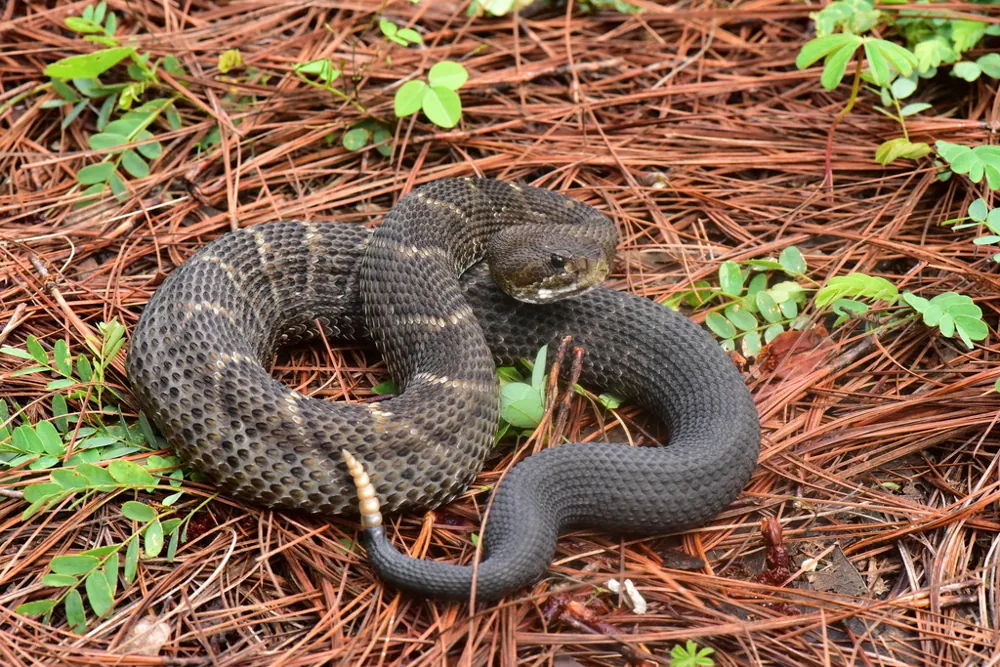
The Mexican west coast rattlesnake is a large venomous pit viper. It lives on the coastal plain of western Mexico. It is one of the largest rattlesnakes in the world, so its size and its strong venom make it one to respect.1

 No anndirte ngal
- Brown or grey body with 26 to 41 dark, diamond-shaped blotches that have light edges.1
- Within its range, it is the only rattlesnake with diamond-shaped markings on its back.1
- Head is a uniform greyish-brown, with lighter lip scales and a dark bar behind each eye.1
- Young snakes are mostly red, and adults become olive green.1
- Body is moderately stout and rather rectangular in cross section.1
Ina heewi waylondireede e: It often lives in the same areas as C. molossus, and the two hybridise freely. The two species are easy to tell apart, but hybrid snakes are hard to identify.1
Doole tooke
Tooke ngal ina yaltira ñiiƴe mum so ina ŋata.
Hol ko tooke ŋatgol mum waɗata?
Its venom is highly toxic and is produced in large amounts. The venom contains proteases, which are enzymes that break down proteins. In some populations, it may also contain a component related to Mojave toxin.1
Hol no bone mum heewiri e yimɓe?
Bone e yimɓe: Bone sanneIna waawi warde neɗɗo mo safraaka.Large specimens should be regarded as very dangerous. An average venom yield of 297 mg of dried venom has been recorded.1
 Kabaaru moƴƴo: doktooruuji ina njogii lekki (sérum antivenimeux) walla safaara ngam ɗum.1
 So ina ŋata
- Haɗ neɗɗo oo dillaade, deƴƴin mo, jogo terɗe ŋataaɗe ɗee e toownde ɓernde, ittu jabbe e kala ko tiiɗi, yahra mo opitaal law.
Adii fof noddu nimero urgence (112, 000, 911). Ɗum ko anndinal ballal adiingal, wonaa saaraangal doktoor. Ko adii e ballal adiingal
 Reen hoore maa
- Wota a meem, wota a nanngu, wota a ñiŋŋu kullal ladde haa abada, hay so ngal ina famɗi, hay so ina nanndi e ɗaaniingal walla maayngal.
- Accu ngal nokku. So a fotti e ngal, deƴƴu, ruttu ɓaawo seeɗa seeɗa, accu ngal yaha laawol mum.
- So gooto ŋatii ma: deƴƴu, wota a dillu, noddu nimero urgence (112, 000, 911) walla yahu opitaal law. Jogo e hakkille no ngal nanndi, natal ina walla.
Ngal faalaaka gaañde ma. Ina huutoroo tooke mum ngam nanngude ñaamdu walla reenaade, ina ɓuri yiɗde suuɗaade. Ɓeydu anndude no reentortoo
Hol to e aduna?
Hol no mawniri?
Hol no juutiri?
Hol no teddiri?
 juutde no ulluuɗi galle 4, hinere haa lawol
 juutde no banaanaaji 11 sammondiraaɗi
 ina waawi taƴde 100 meeteer e segonde 86 (neɗɗo ɓurɗo yaawde ina sokli 9,6)
Hol no Mexican west coast rattlesnake mawniri, so fooɗondiraama e AN?
Limgal tan e navigatoor maa. Alaa ko danndetee walla ko neldetee.
Hol no yaawiri?


Humpito
It is one of the largest rattlesnake species, and specimens over 150 cm are not uncommon.1
Young snakes are red, and they turn olive green as they grow into adults.1
Its scientific name comes from the Greek word for king, a nod to its size and strong venom.1
It hybridises freely with C. molossus where their ranges overlap.1
Ɗo humpito iwri
- Crotalus basiliscus (Wikipedia (CC BY-SA 4.0))
- Crotalus basiliscus (iNaturalist): inɗe e ceergal.
- Venom Wiki: tolno bone, mawnude heewnde e miijo yaawde ko amen. Yiy no men keɓirta ɗum: No men tolnirta bone.
Kala humpito e ngoo hello ina jogii limoore hollirnde iwdi mum. So men juumii, yaafo, men ko yiɗɓe kulle, wonaa jaaynde ganndal. Wiy men e [email protected], men feewnita.
 Yaare nden ina weelaa! Venom Wiki ko golle neɗɗo gooto: yoɓetaake, alaa ko jeeyetee, alaa rewɓe. Ndokkal seeɗa ina walla ngam heddude e enternet.Ñaam yaare nden
Goɗɗe e nder fedde wootere: Ɓoɗɗi wulloori
 Eastern diamondback rattlesnakeƁoɗɗi wullooriIna waawi warde
 Timber rattlesnakeƁoɗɗi wullooriIna waawi warde
 Western diamondback rattlesnakeƁoɗɗi wullooriIna waawi warde
 SidewinderƁoɗɗi wullooriIna sokli doktoor
 Mojave rattlesnakeƁoɗɗi wullooriIna waawi warde
 Aruba rattlesnakeƁoɗɗi wullooriIna sokli doktoor
 Terciopelo
 Eastern coral snake
 Eyelash viper
 Arizona bark scorpion
 Brown recluse
 Cane toad