
 Afrik
Afrik Aazi
Aazi Orop
Orop Amerik Worgo
 Ostaraali e Oseyaani
 Antarktik
 Geec Pasifik
 Geec Atlantik
 Geec Enndo
 Geec Arktik
 Geec Mediteraane
 Geec Boɗeejo
 Geec Karayib
 Geec Korayl
 Geec Siin Worgo
 Geec Filipiin
 Geec Andaman
 Geec Rewo
 Geec Timor e Arafura
 Gulf Bengal
 Gulf Kaliforni
Net fire coral
 Jukkugol
The net fire coral is a colony-forming sea animal that looks like coral. It builds hard, lacy or box-shaped structures and lives in shallow tropical seas. Its sting is painful, so it is one to admire from a distance.1

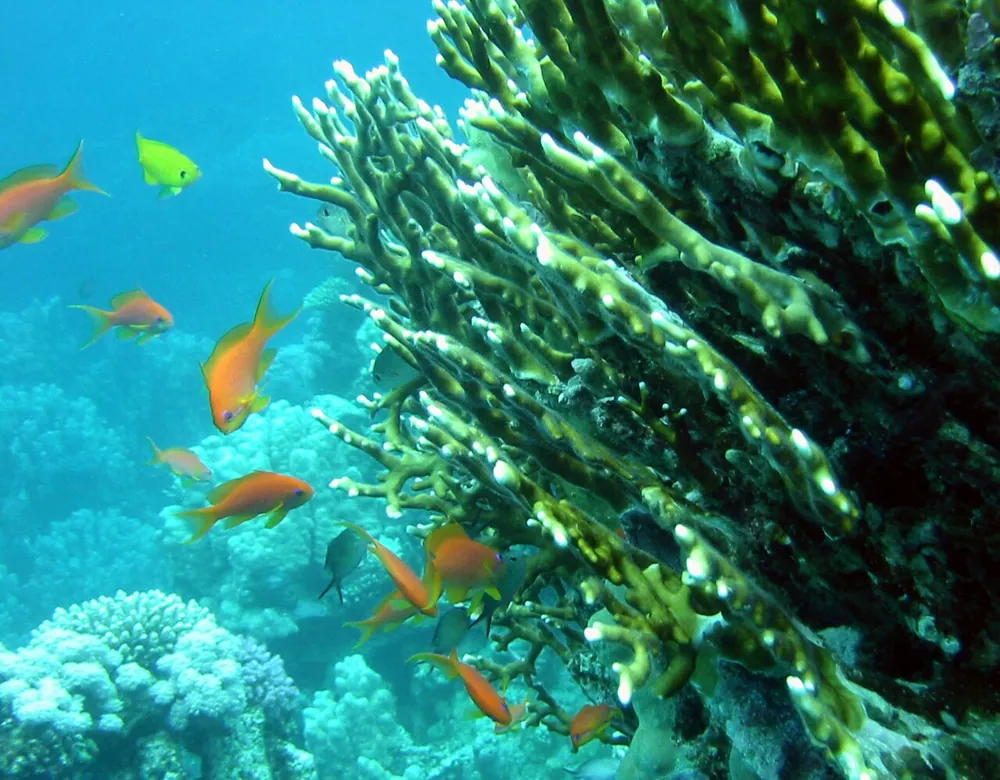
 No anndirte ngal
- Forms colonies up to 60 cm wide, and clumps of colonies may be several metres across.1
- Starts as a flat, crust-like layer stuck to hard surfaces, then grows into lace-like, leaf-like blade or box-work shapes.1
- Lace-like forms are more fragile and grow best in deeper, calmer water. Box-work forms cope better with harsher conditions.1
- Has vibrant colours, given by symbiotic algae called zooxanthellae that live inside its tissues.1
Doole tooke
Tooke ngal ina yaltira jukkirgal.
Hol ko tooke ŋatgol mum waɗata?
Its stinging cells, called nematocysts, carry venom. The venom is fatal to many organisms but has not been found to be fatal to humans. Contact can cause extreme pain and burn-like wounds.1
Hol no bone mum heewiri e yimɓe?
Bone e yimɓe: MuusɗoIna waawi muusde sanne, kono hertaani wonde huunde mawnde.Its sting has not been found to be fatal to humans. It can cause extreme pain, burn-like wounds and skin irritation that may last for up to two weeks.1
 So ina jukka
- Yaltin neɗɗo oo e ndiyam, ittu kala tiimbe meduus (e gaŋte walla taƴre leppi).
- Ngam meduus kaaɗe tulnde: wuj winegar e nokkuuje jukkaaɗe, ko famɗi fof segonde 30, noddu ballal, heblo waɗde réanimation (RCP). Ngam bluebottles e ko heewi e goɗɗe: loot e ndiyam geec, refti ndiyam guleeɗam ngam muusu.
Adii fof noddu nimero urgence (112, 000, 911). Ɗum ko anndinal ballal adiingal, wonaa saaraangal doktoor. Ko adii e ballal adiingal
 Reen hoore maa
- Wota a meem, wota a nanngu, wota a ñiŋŋu kullal ladde haa abada, hay so ngal ina famɗi, hay so ina nanndi e ɗaaniingal walla maayngal.
- Accu ngal nokku. So a fotti e ngal, deƴƴu, ruttu ɓaawo seeɗa seeɗa, accu ngal yaha laawol mum.
- So gooto jukkii ma: deƴƴu, wota a dillu, noddu nimero urgence (112, 000, 911) walla yahu opitaal law. Jogo e hakkille no ngal nanndi, natal ina walla.
Ngal faalaaka gaañde ma. Ina huutoroo tooke mum ngam nanngude ñaamdu walla reenaade, ina ɓuri yiɗde suuɗaade. Ɓeydu anndude no reentortoo
Hol to e aduna?
Hol no mawniri?
Hol no juutiri?
 juutde no banaanaaji 3 sammondiraaɗi
 ɓuri kokiyaas ngesa leelde
Hol no Net fire coral mawniri, so fooɗondiraama e AN?
Limgal tan e navigatoor maa. Alaa ko danndetee walla ko neldetee.
Hol no yaawiri?


Humpito
Its polyps catch floating food with stinging cells as well as with their feeding structures.1
When a colony breaks apart, its structure can change, for example from fragile lace-like growth to thicker box-work.1
Its colours come from symbiotic zooxanthellae, which also help it grow and recycle nutrients.1
A single colony can grow into a shape that depends on depth, location and how cloudy the water is.1
Feññinoowo fenaande
Fenaande: Net fire coral stings are deadly to people.
Goonga: Its venom is fatal to many organisms, but it has not been found to be fatal to humans. Its sting is still very painful and can leave burn-like wounds.1
Ngam ganduɓe tooke
- Innde ganndal
- Millepora dichotoma
- Fedde
- Meduusaaji e kulle geec jukkooje
- Ɓesngu
- Milleporidae2
- Ordre
- Anthoathecata
- Leyɗe mawɗe
- Geec Pasifik, Geec Enndo, Geec Boɗeejo, Geec Korayl, Geec Filipiin, Geec Timor e Arafura, Geece mawɗe
- Ɓiɓɓe tokooso
- It spawns in a synchronised release of eggs and sperm (gametes) between April and May, and gametes can still be present in June. The fertilised young drift on currents and settle on the seafloor to start new colonies.1
- Hol no ngal woniri e ladde
- Endangered (IUCN, 2022)1
- Bone e yimɓe
- 2 / 5: Muusɗo3
Ɗo humpito iwri
- Millepora dichotoma (Wikipedia (CC BY-SA 4.0))
- Millepora dichotoma (iNaturalist): inɗe e ceergal.
- Venom Wiki: tolno bone, mawnude heewnde e miijo yaawde ko amen. Yiy no men keɓirta ɗum: No men tolnirta bone.
Kala humpito e ngoo hello ina jogii limoore hollirnde iwdi mum. So men juumii, yaafo, men ko yiɗɓe kulle, wonaa jaaynde ganndal. Wiy men e [email protected], men feewnita.
 Yaare nden ina weelaa! Venom Wiki ko golle neɗɗo gooto: yoɓetaake, alaa ko jeeyetee, alaa rewɓe. Ndokkal seeɗa ina walla ngam heddude e enternet.Ñaam yaare nden
Goɗɗe e nder fedde wootere: Meduusaaji e kulle geec jukkooje
 Meduus kaaɗe OstaraaliMeduusaaji e kulle geec jukkoojeBareejoWota a meem
 Irukandji jellyfishMeduusaaji e kulle geec jukkoojeIna waawi wardeWota a meem
 Portuguese man o' warMeduusaaji e kulle geec jukkoojeIna sokli doktoorWota a meem
 Lion's mane jellyfishMeduusaaji e kulle geec jukkoojeIna muusi tanWota a meem
 Moon jellyfishMeduusaaji e kulle geec jukkoojeAlaa bone
 Common kingslayerMeduusaaji e kulle geec jukkoojeIna waawi wardeWota a meem
Ina wuuri kadi e: Geec Pasifik
 Kokiyaas kone jeografiKokiyaas kone e pulpuujiBareejo
 Pulp mawɗo koode bulaajeKokiyaas kone e pulpuujiBareejo
 Liingu puffer SapoŋKulle goɗɗe jogiiɗe tooke ɓannduBareejo
 Pulp koode bulaaje worgoKokiyaas kone e pulpuujiBareejo
 Hawksbill sea turtleKulle goɗɗe jogiiɗe tooke ɓannduIna waawi warde
 Reef stonefishLiƴƴi jogiiɗi tookeIna waawi wardeWota a meem