
 Afrik
Afrik Aazi
Aazi Orop
Orop Amerik Worgo
 Ostaraali e Oseyaani
 Antarktik
 Geec Pasifik
 Geec Atlantik
 Geec Enndo
 Geec Arktik
 Geec Mediteraane
 Geec Boɗeejo
 Geec Karayib
 Geec Korayl
 Geec Siin Worgo
 Geec Filipiin
 Geec Andaman
 Geec Rewo
 Geec Timor e Arafura
 Gulf Bengal
 Gulf Kaliforni
Rock rattlesnake
 Ŋatgol
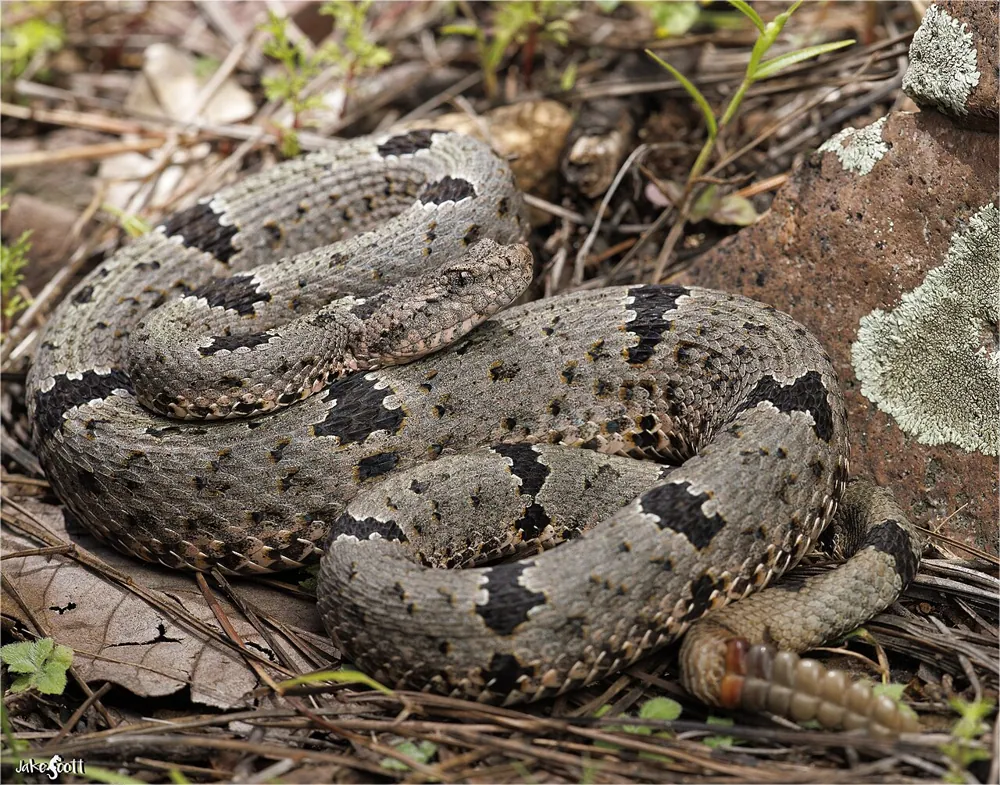
The rock rattlesnake is a small rattlesnake that lives in the south-western United States and northern central Mexico. It spends most of its life among rocks and hides well by blending in with its surroundings. It is venomous, so it is important to know what it looks like and to give it plenty of room.1



 No anndirte ngal
- Usually light grey with darker grey banding, especially near areas of limestone1
- Snakes at higher altitudes tend to be darker1
- The mottled form from the Davis Mountains is often pinkish with dark-grey speckling rather than clear banding1
- The banded form has clean, distinct banding with little speckling or mottling1
- Has a large, rounded head, vertical pupils and a rattle on the tail. It rarely grows longer than 81.3 cm1
Doole tooke
Tooke ngal ina yaltira ñiiƴe mum so ina ŋata.
Hol ko tooke ŋatgol mum waɗata?
Its venom is mainly a hemotoxin, a type of venom that acts on the blood and body tissues. It can also have significant neurotoxic effects, which attack the nerves.1
Hol no bone mum heewiri e yimɓe?
Bone e yimɓe: Ina tiiɗiŊatgol ina sokli doktoor. Maayde ina famɗi sanne.The snake is not aggressive and relies on camouflage, so it often will not strike or rattle unless it is harassed. However, if someone steps on it or touches it by accident, its immediate reaction is to bite. Most people bitten by this snake were hiking among rocks.1
 Kabaaru moƴƴo: doktooruuji ina njogii lekki (sérum antivenimeux) walla safaara ngam ɗum.1
Hol ko ngal waɗata so ina hula?
It relies on camouflage and will often stay still rather than strike or rattle unless it is physically harassed.1
 So ina ŋata
- Haɗ neɗɗo oo dillaade, deƴƴin mo, jogo terɗe ŋataaɗe ɗee e toownde ɓernde, ittu jabbe e kala ko tiiɗi, yahra mo opitaal law.
Adii fof noddu nimero urgence (112, 000, 911). Ɗum ko anndinal ballal adiingal, wonaa saaraangal doktoor. Ko adii e ballal adiingal
 Reen hoore maa
- Wota a meem, wota a nanngu, wota a ñiŋŋu kullal ladde haa abada, hay so ngal ina famɗi, hay so ina nanndi e ɗaaniingal walla maayngal.
- Accu ngal nokku. So a fotti e ngal, deƴƴu, ruttu ɓaawo seeɗa seeɗa, accu ngal yaha laawol mum.
- So gooto ŋatii ma: deƴƴu, wota a dillu, noddu nimero urgence (112, 000, 911) walla yahu opitaal law. Jogo e hakkille no ngal nanndi, natal ina walla.
Ngal faalaaka gaañde ma. Ina huutoroo tooke mum ngam nanngude ñaamdu walla reenaade, ina ɓuri yiɗde suuɗaade. Ɓeydu anndude no reentortoo
Hol to e aduna?
Hol no mawniri?
Hol no juutiri?
 juutde no ulluuɗi galle 1,5, hinere haa lawol
 juutde no banaanaaji 5 sammondiraaɗi
 ina waawi taƴde 100 meeteer e segonde 110 (neɗɗo ɓurɗo yaawde ina sokli 9,6)
Hol no Rock rattlesnake mawniri, so fooɗondiraama e AN?
Limgal tan e navigatoor maa. Alaa ko danndetee walla ko neldetee.
Hol no yaawiri?


Humpito
A new segment is added to the rattle each time the snake sheds its skin, but the rattle can break off, so segments do not give a reliable age.1
Its rattle is made of keratin, the same material as human fingernails.1
Its colour generally reflects the colour of the rock where it lives, which helps it stay hidden.1
The young take three or more years to mature.1
Feññinoowo fenaande
Fenaande: You can tell a rock rattlesnake's age by counting the segments on its rattle.
Goonga: A segment is added each time the snake sheds, but the rattle is fragile and can break off, and shedding frequency varies. So the number of segments cannot tell you its age.1
Ngam ganduɓe tooke
- Innde ganndal
- Crotalus lepidus
- Fedde
- Ɓoɗɗi wulloori
- Ɓesngu
- Viperidae2
- Ordre
- Squamata
- Leyɗe mawɗe
- Amerik Rewo
- Ɓiɓɓe tokooso
- It is ovoviviparous, so it gives birth to live young, six to eight at a time, about four months after breeding in spring. The young look like small versions of the parents.1
- Hol no ngal woniri e ladde
- Least Concern (IUCN Red List). It is listed as a threatened species by New Mexico.1
- Bone e yimɓe
- 3 / 5: Ina tiiɗi3
Ɗo humpito iwri
- Crotalus lepidus (Wikipedia (CC BY-SA 4.0))
- Crotalus lepidus (iNaturalist): inɗe e ceergal.
- Venom Wiki: tolno bone, mawnude heewnde e miijo yaawde ko amen. Yiy no men keɓirta ɗum: No men tolnirta bone.
Kala humpito e ngoo hello ina jogii limoore hollirnde iwdi mum. So men juumii, yaafo, men ko yiɗɓe kulle, wonaa jaaynde ganndal. Wiy men e [email protected], men feewnita.
 Yaare nden ina weelaa! Venom Wiki ko golle neɗɗo gooto: yoɓetaake, alaa ko jeeyetee, alaa rewɓe. Ndokkal seeɗa ina walla ngam heddude e enternet.Ñaam yaare nden
Goɗɗe e nder fedde wootere: Ɓoɗɗi wulloori
 Eastern diamondback rattlesnakeƁoɗɗi wullooriIna waawi warde
 Timber rattlesnakeƁoɗɗi wullooriIna waawi warde
 Western diamondback rattlesnakeƁoɗɗi wullooriIna waawi warde
 SidewinderƁoɗɗi wullooriIna sokli doktoor
 Mojave rattlesnakeƁoɗɗi wullooriIna waawi warde
 Aruba rattlesnakeƁoɗɗi wullooriIna sokli doktoor
 Terciopelo
 Eastern coral snake
 Eyelash viper
 Arizona bark scorpion
 Brown recluse
 Cane toad