
 Afrik
Afrik Aazi
Aazi Orop
Orop Amerik Worgo
 Ostaraali e Oseyaani
 Antarktik
 Geec Pasifik
 Geec Atlantik
 Geec Enndo
 Geec Arktik
 Geec Mediteraane
 Geec Boɗeejo
 Geec Karayib
 Geec Korayl
 Geec Siin Worgo
 Geec Filipiin
 Geec Andaman
 Geec Rewo
 Geec Timor e Arafura
 Gulf Bengal
 Gulf Kaliforni
Whitetail lancehead
 Ŋatgol
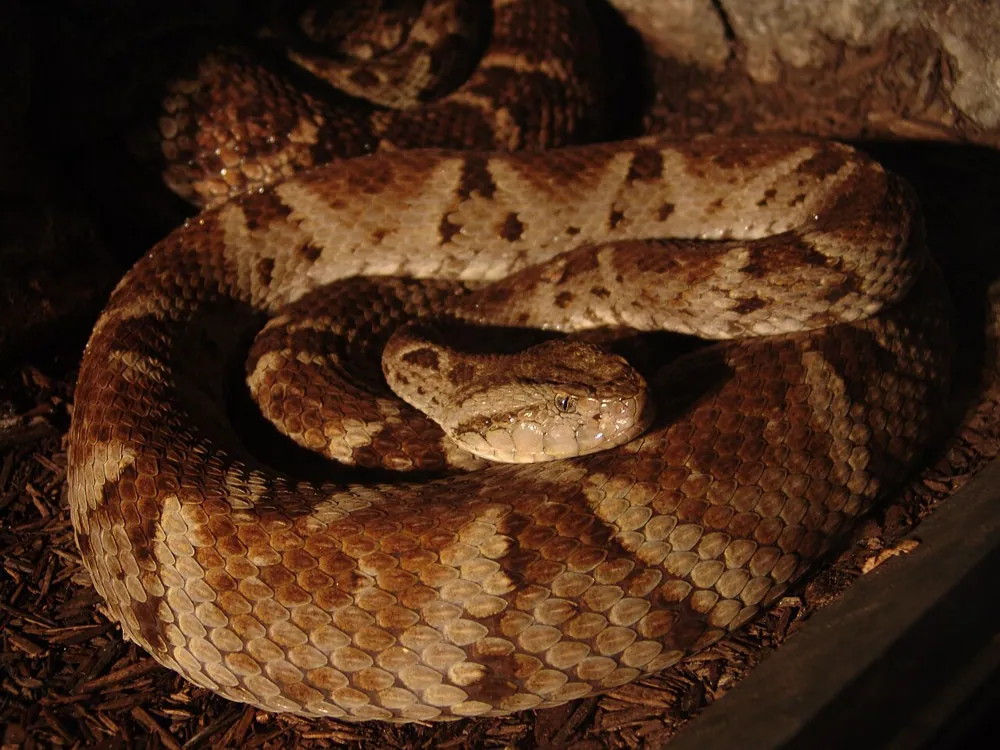
The whitetail lancehead is a venomous pit viper, a snake that has heat-sensing pits between its eyes and nostrils. It lives only in Brazil, where it is found in forests and in both towns and countryside. It matters because it causes more snake bites in the state of Bahia than any other snake.1



 No anndirte ngal
- Colour ranges from tan to reddish-brown.1
- The pattern varies, with darker and lighter spots or light diagonal lines along the sides.1
- The belly is yellowish or whitish, with dark brown or grey spots and irregular spots on the sides.1
- It has 23 to 31 rows of scales along the middle of the body.1
- It is a terrestrial snake, so it lives on the ground.1
Doole tooke
Tooke ngal ina yaltira ñiiƴe mum so ina ŋata.
Hol ko tooke ŋatgol mum waɗata?
The venom is haemotoxic, meaning it attacks blood and tissue. It breaks down blood clots, damages tissue and causes bleeding, and it can cause muscle death (myonecrosis) in people. Symptoms include local pain, swelling, redness and bruising, bleeding and clotting problems, nausea, vomiting and diarrhoea, urinary problems, headaches, dizziness, low blood pressure, a slow heartbeat, visual disturbances and tremors.1
Hol no bone mum heewiri e yimɓe?
Bone e yimɓe: Bone sanneIna waawi warde neɗɗo mo safraaka.It is responsible for the most snake bites in the state of Bahia, Brazil.1
 So ina ŋata
- Haɗ neɗɗo oo dillaade, deƴƴin mo, jogo terɗe ŋataaɗe ɗee e toownde ɓernde, ittu jabbe e kala ko tiiɗi, yahra mo opitaal law.
Adii fof noddu nimero urgence (112, 000, 911). Ɗum ko anndinal ballal adiingal, wonaa saaraangal doktoor. Ko adii e ballal adiingal
 Reen hoore maa
- Wota a meem, wota a nanngu, wota a ñiŋŋu kullal ladde haa abada, hay so ngal ina famɗi, hay so ina nanndi e ɗaaniingal walla maayngal.
- Accu ngal nokku. So a fotti e ngal, deƴƴu, ruttu ɓaawo seeɗa seeɗa, accu ngal yaha laawol mum.
- So gooto ŋatii ma: deƴƴu, wota a dillu, noddu nimero urgence (112, 000, 911) walla yahu opitaal law. Jogo e hakkille no ngal nanndi, natal ina walla.
Ngal faalaaka gaañde ma. Ina huutoroo tooke mum ngam nanngude ñaamdu walla reenaade, ina ɓuri yiɗde suuɗaade. Ɓeydu anndude no reentortoo
Hol to e aduna?
Hol no mawniri?
Hol no juutiri?
 juutde no ulluuɗi galle 4, hinere haa lawol
 juutde no banaanaaji 10 sammondiraaɗi
 ina waawi taƴde 100 meeteer e segonde 92 (neɗɗo ɓurɗo yaawde ina sokli 9,6)
Hol no Whitetail lancehead mawniri, so fooɗondiraama e AN?
Limgal tan e navigatoor maa. Alaa ko danndetee walla ko neldetee.
Hol no yaawiri?


Humpito
Ngam ganduɓe tooke
Ɗo humpito iwri
- Bothrops leucurus (Wikipedia (CC BY-SA 4.0))
- Bothrops leucurus (iNaturalist): inɗe e ceergal.
- Venom Wiki: tolno bone, mawnude heewnde e miijo yaawde ko amen. Yiy no men keɓirta ɗum: No men tolnirta bone.
Kala humpito e ngoo hello ina jogii limoore hollirnde iwdi mum. So men juumii, yaafo, men ko yiɗɓe kulle, wonaa jaaynde ganndal. Wiy men e [email protected], men feewnita.
 Yaare nden ina weelaa! Venom Wiki ko golle neɗɗo gooto: yoɓetaake, alaa ko jeeyetee, alaa rewɓe. Ndokkal seeɗa ina walla ngam heddude e enternet.Ñaam yaare nden
Goɗɗe e nder fedde wootere: Ɓoɗɗi wipeer pit
 Terciopelo
 Eyelash viper
 Golden lancehead
 South American bushmaster
 Common lancehead
 Jararaca
Ina wuuri kadi e: Amerik Worgo
 Faaɓru tooke kaŋŋeÑaari tooke, ñaari e newtsBareejoWota a meem
 Brazilian wandering spiderAraañeejiIna waawi warde
 Cane toadÑaari tooke, ñaari e newtsIna sokli doktoorWota a meem
 Peruvian giant centipedeBukka-koyɗeIna sokli doktoor
 Bullet antFurmiijiIna muusi tan
 Common vampire batKulle muynooje jogiiɗe tookeIna muusi tan