
 Afrịka
 Eshia
Eshia Yurop
Yurop Ndịda Amerika
 Ọstrelia na Oshenia
 Antaktika
 Oké Osimiri Pasifik
 Oké Osimiri Atlantik
 Oké Osimiri India
 Oké Osimiri Arktik
 Osimiri Mediterenian
 Osimiri Uhie
 Osimiri Karibịan
 Osimiri Coral
 Osimiri Ndịda China
 Osimiri Filipin
 Osimiri Andaman
 Osimiri Ugwu (North Sea)
 Osimiri Timor na Arafura
 Ọwara Bengal
 Ọwara California
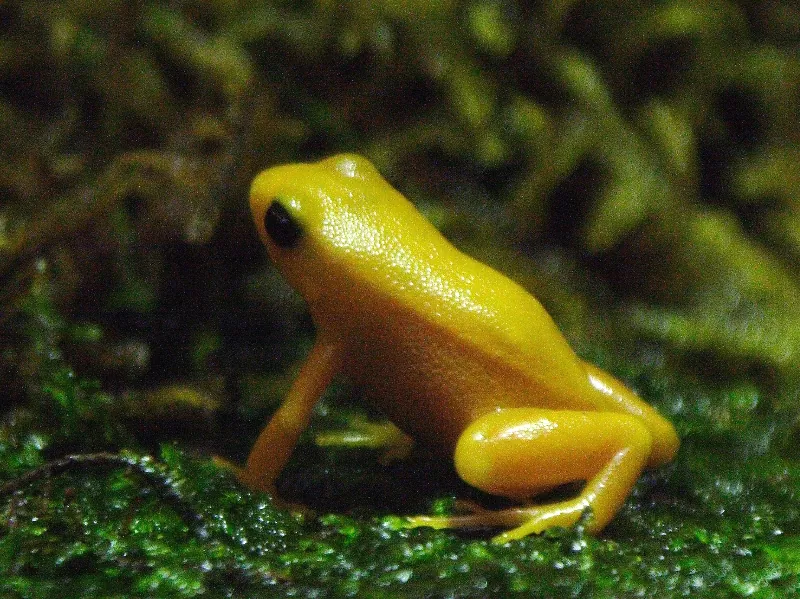
Golden mantella
 Nsị n'akpụkpọ ahụ ya
The golden mantella is a small frog, only about 2 to 2.6 cm long, that is found only on the island of Madagascar. Its bright yellow, orange or red skin is a warning that it is poisonous. It is one of the most threatened amphibians on the island.1


 Otú ị ga-esi mata ya
Ike nsị
Akpụkpọ ahụ ya nwere nsị. Ọ dị egwu imetụ ya aka, iracha ya ma ọ bụ iri ya.
Kedu otú o si dị egwu nye mmadụ?
Ihe ize ndụ nye mmadụ: ObereDị ka ịgba aṅụ ma ọ bụ nke na-erughị ya. Ọ fọrọ nke nta ka ọ ghara ịdị njọ nye mmadụ.Gịnị ka ọ na-eme mgbe ụjọ tụrụ ya?
Its bright colours warn predators that it is poisonous.1
 Ọ bụrụ na mmadụ metụrụ ya aka ma ọ bụ rie ya
- Ọ bụrụ na mmadụ metụrụ otu aka: saa aka nke ọma, emetụkwala anya ma ọ bụ ọnụ aka. Ọ bụrụ na nwatakịrị ma ọ bụ anụ ụlọ rachara otu ma ọ bụ rie ya: kpọọ ụlọ ọrụ ndụmọdụ nsị (poison centre) ma ọ bụ nọmba mberede gị.
Na-ebu ụzọ kpọọ nọmba mberede gị mgbe niile (112, 000, 911). Nke a bụ ndụmọdụ enyemaka mbụ n'ozuzu, ọ bụghị ndụmọdụ ọgwụ. Isi ihe enyemaka mbụ
 Nọrọ na nchekwa
- Emetụla anụ ọhịa aka, ejidela ya, emekwala ya ihe ọjọọ, ọbụna obere, ọbụna ma ọ dị ka ọ na-ehi ụra ma ọ bụ nwụọ anwụ.
- Nye ya ohere. Ọ bụrụ na ị zutere otu, dị jụụ, laghachi azụ nwayọ, hapụ ya ka ọ gaa ụzọ ya.
- Ọ bụrụ na i metụrụ ya aka ma ọ bụ rie ya: ehichala anya gị ma ọ bụ ọnụ gị, saa aka gị, chọọkwa enyemaka ọgwụ.
Ọ naghị achụ gị. Nsị ya dị naanị ka ihe ọ bụla ghara iri ya. Ihe ndị ọzọ gbasara ịnọ na nchekwa
Ọ hà aṅaa?
Kedu otú o si dị ogologo?
 ọ dị ogologo ihe dị ka pepa klip
 nwere ike ịgba ọsọ mita 100 n'ime sekọnd 110 (mmadụ kacha ọsọ chọrọ 9,6)
Kedu otú Golden mantella si hà ma e jiri ya tụnyere GỊ?
Naanị mgbakọ na mwepụ n'ime browser gị. Ọ dịghị ihe echekwara ma ọ bụ ezigara ebe ọ bụla.
Kedu otú o si agba ọsọ?


Eziokwu
The golden mantella's skin toxins come from the small invertebrates it eats, not from its own body.1
A snake called Thamnosophis lateralis and a skink of the genus Zonosaurus have been seen preying on it at Torotorofotsy Wetland, even though it is poisonous.1
Its bright colours are an example of aposematism, a warning signal to predators about its poison.1
It has a convergent evolution link with the poison dart frogs of Central and South America, which are not closely related but share similar traits.1
It is popular in the pet trade because it is active during the day, has attractive colours and is fairly easy to keep.1
Males often call from hidden spots near water, and their call is a pleasant, repeated click.1
Maka ndị ọkachamara nsị
- Aha sayensị
- Mantella aurantiaca
- Otu
- Awọ nsị, awọ ala na newt
- Ezinụlọ
- Mantellidae2
- Usoro
- Anura
- Kọntinent dị iche iche
- Afrịka
- Ụmụ ọhụrụ
- Eggs are laid on land in moist leaf litter near water. When the rains come, the tadpoles are washed from the land into the water.1
- Otú ọ na-eme n'ọhịa
- Critically endangered1
- Ihe ize ndụ nye mmadụ
- 1 / 5: Obere3
Ebe eziokwu ndị a si
- Golden mantella (Wikipedia (CC BY-SA 4.0))
- Mantella aurantiaca (iNaturalist): aha na nhazi ọkwa.
- Venom Wiki: ọkwa ihe ize ndụ, nha nkịtị na nchepụta ọsọ bụ nke anyị. Lee otú anyị si achọpụta ha: Otú anyị si atụ ihe ize ndụ.
Eziokwu ọ bụla dị na peeji a nwere nọmba na-egosi ebe o si. Ọ bụrụ na anyị mehiere ihe, ndo, anyị bụ ndị hụrụ anụmanụ n'anya, ọ bụghị akwụkwọ akụkọ sayensị. Gwa anyị na [email protected], anyị ga-edozi ya.
 Akpị agụụ na-agụ! Venom Wiki bụ ọrụ otu onye: n'efu, na-enweghị mgbasa ozi na ndị na-esochi gị. Obere onyinye na-enyere aka idebe ya n'ịntanetị.Nye akpị nri
Ndị ọzọ si n'otu ahụ: Awọ nsị, awọ ala na newt
 Iberian ribbed newtAwọ nsị, awọ ala na newtAdịghị njọ
 Tomato frogAwọ nsị, awọ ala na newtAdịghị njọ
 African common toadAwọ nsị, awọ ala na newtNaanị na-afụ ụfụEmetụla ya aka
 Baron's mantellaAwọ nsị, awọ ala na newtAdịghị njọ
 Blue-legged mantellaAwọ nsị, awọ ala na newtAdịghị njọ
 Climbing mantellaAwọ nsị, awọ ala na newtAdịghị njọ
 Black mamba
 Deathstalker
 Egyptian cobra
 Puff adder
 Boomslang
 Fat-tailed scorpion