
 Afrịka
 Eshia
Eshia Yurop
Yurop Ndịda Amerika
 Ọstrelia na Oshenia
 Antaktika
 Oké Osimiri Pasifik
 Oké Osimiri Atlantik
 Oké Osimiri India
 Oké Osimiri Arktik
 Osimiri Mediterenian
 Osimiri Uhie
 Osimiri Karibịan
 Osimiri Coral
 Osimiri Ndịda China
 Osimiri Filipin
 Osimiri Andaman
 Osimiri Ugwu (North Sea)
 Osimiri Timor na Arafura
 Ọwara Bengal
 Ọwara California
Tomato frog
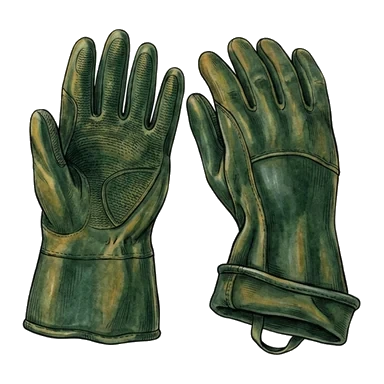 Nsị n'akpụkpọ ahụ ya
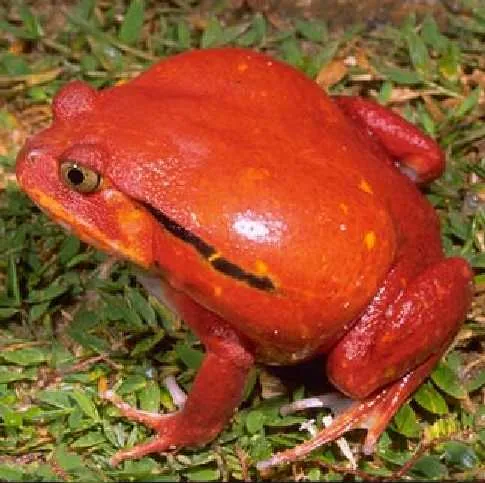
The tomato frog is a bright orange-red frog that lives only on the island of Madagascar. Its colour is a warning: its skin produces a sticky white substance that can cause an allergic reaction in people. It is also a species of conservation concern, because many have been taken for the pet trade.1
 Otú ị ga-esi mata ya
- Vibrant orange-red colour on the back1
- Females have brighter red or orange tones and a pale underside1
- Some individuals have black spots on the throat1
- Females are much larger than males1
A na-agwakọkarị ya na: The tomato frog is closely related to D. guineti, and the two are often confused. It is not yet clear how far the tomato frog's range extends, or whether it is a separate species or a variant of D. guineti.1
Ike nsị
Akpụkpọ ahụ ya nwere nsị. Ọ dị egwu imetụ ya aka, iracha ya ma ọ bụ iri ya.
Gịnị ka nsị dị n'ahụ ya na-eme?
The tomato frog is poisonous to touch rather than venomous, as it does not inject venom. A white substance secreted from its skin acts as a glue and can produce an allergic reaction in humans.1
Kedu otú o si dị egwu nye mmadụ?
Ihe ize ndụ nye mmadụ: ObereDị ka ịgba aṅụ ma ọ bụ nke na-erughị ya. Ọ fọrọ nke nta ka ọ ghara ịdị njọ nye mmadụ.The skin secretion can cause an allergic reaction in people.1
Gịnị ka ọ na-eme mgbe ụjọ tụrụ ya?
When threatened, it inflates its body to look larger, and its skin secretion acts as a sticky glue to deter predators.1
 Ọ bụrụ na mmadụ metụrụ ya aka ma ọ bụ rie ya
- Ọ bụrụ na mmadụ metụrụ otu aka: saa aka nke ọma, emetụkwala anya ma ọ bụ ọnụ aka. Ọ bụrụ na nwatakịrị ma ọ bụ anụ ụlọ rachara otu ma ọ bụ rie ya: kpọọ ụlọ ọrụ ndụmọdụ nsị (poison centre) ma ọ bụ nọmba mberede gị.
Na-ebu ụzọ kpọọ nọmba mberede gị mgbe niile (112, 000, 911). Nke a bụ ndụmọdụ enyemaka mbụ n'ozuzu, ọ bụghị ndụmọdụ ọgwụ. Isi ihe enyemaka mbụ
 Nọrọ na nchekwa
- Emetụla anụ ọhịa aka, ejidela ya, emekwala ya ihe ọjọọ, ọbụna obere, ọbụna ma ọ dị ka ọ na-ehi ụra ma ọ bụ nwụọ anwụ.
- Nye ya ohere. Ọ bụrụ na ị zutere otu, dị jụụ, laghachi azụ nwayọ, hapụ ya ka ọ gaa ụzọ ya.
- Ọ bụrụ na i metụrụ ya aka ma ọ bụ rie ya: ehichala anya gị ma ọ bụ ọnụ gị, saa aka gị, chọọkwa enyemaka ọgwụ.
Ọ naghị achụ gị. Nsị ya dị naanị ka ihe ọ bụla ghara iri ya. Ihe ndị ọzọ gbasara ịnọ na nchekwa
Ọ hà aṅaa?
Kedu otú o si dị ogologo?
Kedu otú o si dị arọ?

 dị ogologo dị ka blọk egwuregwu 3 n'ahịrị
 nwere ike ịgba ọsọ mita 100 n'ime sekọnd 78 (mmadụ kacha ọsọ chọrọ 9,6)
Kedu otú Tomato frog si hà ma e jiri ya tụnyere GỊ?
Naanị mgbakọ na mwepụ n'ime browser gị. Ọ dịghị ihe echekwara ma ọ bụ ezigara ebe ọ bụla.
Kedu otú o si agba ọsọ?


Eziokwu
Females are much larger than males, reaching up to 230 g, while males reach only about 41 g.1
Each female can lay between 1,000 and 1,500 eggs at once, on the surface of the water.1
Tadpoles are only about 6 mm long when they hatch and feed by filter-feeding.1
Tadpoles turn into yellow juveniles about 45 days after the eggs were laid.1
Maka ndị ọkachamara nsị
- Aha sayensị
- Dyscophus antongilii
- Otu
- Awọ nsị, awọ ala na newt
- Ezinụlọ
- Microhylidae2
- Usoro
- Anura
- Kọntinent dị iche iche
- Afrịka
- Ụmụ ọhụrụ
- Females lay a clutch of 1,000 to 1,500 eggs on the water surface. The tadpoles hatch about 36 hours later.1
- Otú ọ na-eme n'ọhịa
- Near Threatened (IUCN Red List)1
- Ihe ize ndụ nye mmadụ
- 1 / 5: Obere3
Ebe eziokwu ndị a si
- Dyscophus antongilii (Wikipedia (CC BY-SA 4.0))
- Dyscophus antongilii (iNaturalist): aha na nhazi ọkwa.
- Venom Wiki: ọkwa ihe ize ndụ, nha nkịtị na nchepụta ọsọ bụ nke anyị. Lee otú anyị si achọpụta ha: Otú anyị si atụ ihe ize ndụ.
Eziokwu ọ bụla dị na peeji a nwere nọmba na-egosi ebe o si. Ọ bụrụ na anyị mehiere ihe, ndo, anyị bụ ndị hụrụ anụmanụ n'anya, ọ bụghị akwụkwọ akụkọ sayensị. Gwa anyị na [email protected], anyị ga-edozi ya.
 Akpị agụụ na-agụ! Venom Wiki bụ ọrụ otu onye: n'efu, na-enweghị mgbasa ozi na ndị na-esochi gị. Obere onyinye na-enyere aka idebe ya n'ịntanetị.Nye akpị nri
Ndị ọzọ si n'otu ahụ: Awọ nsị, awọ ala na newt
 Golden mantellaAwọ nsị, awọ ala na newtAdịghị njọ
 Iberian ribbed newtAwọ nsị, awọ ala na newtAdịghị njọ
 African common toadAwọ nsị, awọ ala na newtNaanị na-afụ ụfụEmetụla ya aka
 Baron's mantellaAwọ nsị, awọ ala na newtAdịghị njọ
 Blue-legged mantellaAwọ nsị, awọ ala na newtAdịghị njọ
 Climbing mantellaAwọ nsị, awọ ala na newtAdịghị njọ
 Black mamba
 Deathstalker
 Egyptian cobra
 Puff adder
 Boomslang
 Fat-tailed scorpion