
 Afrịka
 Eshia
Eshia Yurop
Yurop Ndịda Amerika
 Ọstrelia na Oshenia
 Antaktika
 Oké Osimiri Pasifik
 Oké Osimiri Atlantik
 Oké Osimiri India
 Oké Osimiri Arktik
 Osimiri Mediterenian
 Osimiri Uhie
 Osimiri Karibịan
 Osimiri Coral
 Osimiri Ndịda China
 Osimiri Filipin
 Osimiri Andaman
 Osimiri Ugwu (North Sea)
 Osimiri Timor na Arafura
 Ọwara Bengal
 Ọwara California
Mamushi
 Ịta
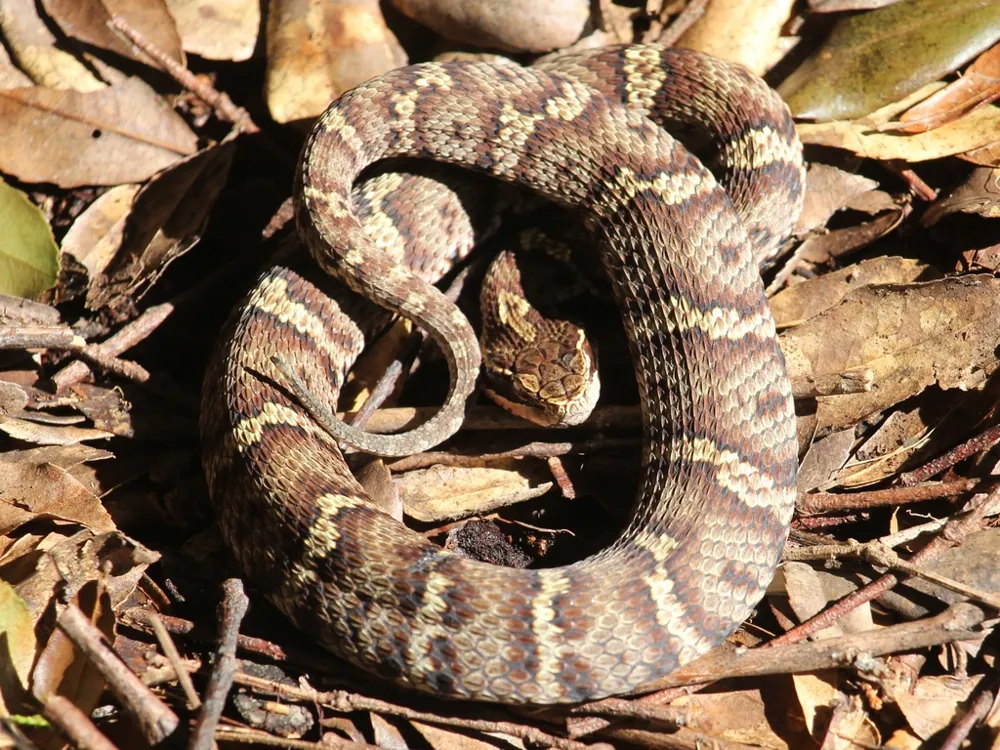
ỊtaThe mamushi is a pit viper, a type of snake that has heat-sensing pits between its eyes and nostrils. It lives in Japan, in places such as swamps, meadows and farmland. It matters because its bite is one of the most dangerous of Japan's snakes.1



 Otú ị ga-esi mata ya
- Background colour is pale grey, reddish-brown or yellow-brown.1
- A series of irregular blotches runs along the body. Each blotch has a black border and often a lighter centre.1
- The head is dark brown or black, with beige or pale-grey sides.1
- Adults are typically 45 to 81 cm long.1
- It has excellent camouflage and often hides among plants or leaf litter.1
A na-agwakọkarị ya na: It is similar to the cottonmouths and copperheads (Agkistrodon) of the Americas, and it was long considered part of the same group.1
Ike nsị
Nsị na-esi n'eze nsị ya ma ọ bụ eze ya apụta mgbe ọ na-ata.
Gịnị ka nsị ọ na-agba na-eme?
Its venom is mostly haemolytic, meaning it breaks down red blood cells. It also contains two neurotoxins, which attack the nerves, and an anticoagulant, which stops blood from clotting. Reported effects include kidney failure, visual disturbances and palsy (paralysis).1
Kedu otú o si dị egwu nye mmadụ?
Ihe ize ndụ nye mmadụ: Ọ dị egwu nke ukwuuỌ nwere ike igbu onye na-enwetaghị ọgwụgwọ.About 2000 to 3000 people in Japan are bitten by a mamushi each year. Approximately 10 die annually. Severe bites require intensive care, and typical bite victims need about one week of hospital treatment.1
 Ozi ọma: ndị dọkịta nwere ọgwụ (antivenom) ma ọ bụ ọgwụgwọ maka nke a.1
 Ọ bụrụ na ọ tara
- Treatment is given in hospital. It involves cutting the wound to remove venom and injecting mamushi antivenom. Pregnant women who are bitten have had miscarriages, so medical care is essential.1
- Mee ka onye ahụ ghara imegharị ahụ, dịkwa jụụ, debe aka ma ọ bụ ụkwụ ahụ ọ tara n'ogo obi, wepụ mgbanaka na ihe ndị kekọrọ ahụ ike, kpọga ya ụlọ ọgwụ ngwa ngwa.
Na-ebu ụzọ kpọọ nọmba mberede gị mgbe niile (112, 000, 911). Nke a bụ ndụmọdụ enyemaka mbụ n'ozuzu, ọ bụghị ndụmọdụ ọgwụ. Isi ihe enyemaka mbụ
 Nọrọ na nchekwa
- Emetụla anụ ọhịa aka, ejidela ya, emekwala ya ihe ọjọọ, ọbụna obere, ọbụna ma ọ dị ka ọ na-ehi ụra ma ọ bụ nwụọ anwụ.
- Nye ya ohere. Ọ bụrụ na ị zutere otu, dị jụụ, laghachi azụ nwayọ, hapụ ya ka ọ gaa ụzọ ya.
- Ọ bụrụ na otu tara gị: dị jụụ, emegharịla ahụ, kpọọ nọmba mberede gị (112, 000, 911) ma ọ bụ gaa ụlọ ọgwụ ngwa ngwa. Cheta ka o si dị, foto na-enye aka.
Ọ naghị achụ gị. Ọ na-eji nsị ya ejide nri ma ọ bụ chebe onwe ya, ọ ga-akakwa mma n'anya ya ịzo onwe ya. Ihe ndị ọzọ gbasara ịnọ na nchekwa
Ọ hà aṅaa?
Kedu otú o si dị ogologo?
 dị ogologo dị ka nwamba ụlọ 1.5 site n'imi ruo n'ọdụ
 dị ogologo dị ka unere 5 a tọgbọrọ n'ahịrị
 nwere ike ịgba ọsọ mita 100 n'ime sekọnd 110 (mmadụ kacha ọsọ chọrọ 9,6)
Kedu otú Mamushi si hà ma e jiri ya tụnyere GỊ?
Naanị mgbakọ na mwepụ n'ime browser gị. Ọ dịghị ihe echekwara ma ọ bụ ezigara ebe ọ bụla.
Kedu otú o si agba ọsọ?


Eziokwu
Recovery takes a long time. Bite victims may need several months to fully recover, even after hospital treatment and weeks of follow-up care.1
It is highly resistant to its own venom because its blood contains neutralising factors, including phospholipase A2 (PLA2) inhibitors.1
Its beta-toxin acts before the nerve junction, so anticholinesterase drugs cannot block or treat its effects.1
Its venom contains a peptide called ablomin, which is very similar in amino acid sequence to helothermine, a venom peptide of the Mexican beaded lizard.1
It is considered one of the most venomous snakes in Japan, along with the yamakagashi and the Okinawan habu.1
Its venom varies very little across Japan in either potency or effects.1
Ebe eziokwu ndị a si
- Mamushi (Wikipedia (CC BY-SA 4.0))
- Gloydius blomhoffii (iNaturalist): aha na nhazi ọkwa.
- Venom Wiki: ọkwa ihe ize ndụ, nha nkịtị na nchepụta ọsọ bụ nke anyị. Lee otú anyị si achọpụta ha: Otú anyị si atụ ihe ize ndụ.
Eziokwu ọ bụla dị na peeji a nwere nọmba na-egosi ebe o si. Ọ bụrụ na anyị mehiere ihe, ndo, anyị bụ ndị hụrụ anụmanụ n'anya, ọ bụghị akwụkwọ akụkọ sayensị. Gwa anyị na [email protected], anyị ga-edozi ya.
 Akpị agụụ na-agụ! Venom Wiki bụ ọrụ otu onye: n'efu, na-enweghị mgbasa ozi na ndị na-esochi gị. Obere onyinye na-enyere aka idebe ya n'ịntanetị.Nye akpị nri
 Brown spotted pit viper
 Habu
Habu Hump-nosed viper
 Hundred-pace viper
 Malayan pit viper
 Mangshan pit viper
 Deathstalker
 Indian cobra
 Indian saw-scaled viper
 King cobra
 Puff adder
 Agwọ Russell