
 Afrịka
 Eshia
Eshia Yurop
Yurop Ndịda Amerika
 Ọstrelia na Oshenia
 Antaktika
 Oké Osimiri Pasifik
 Oké Osimiri Atlantik
 Oké Osimiri India
 Oké Osimiri Arktik
 Osimiri Mediterenian
 Osimiri Uhie
 Osimiri Karibịan
 Osimiri Coral
 Osimiri Ndịda China
 Osimiri Filipin
 Osimiri Andaman
 Osimiri Ugwu (North Sea)
 Osimiri Timor na Arafura
 Ọwara Bengal
 Ọwara California
Natterjack toad
 Nsị n'akpụkpọ ahụ ya
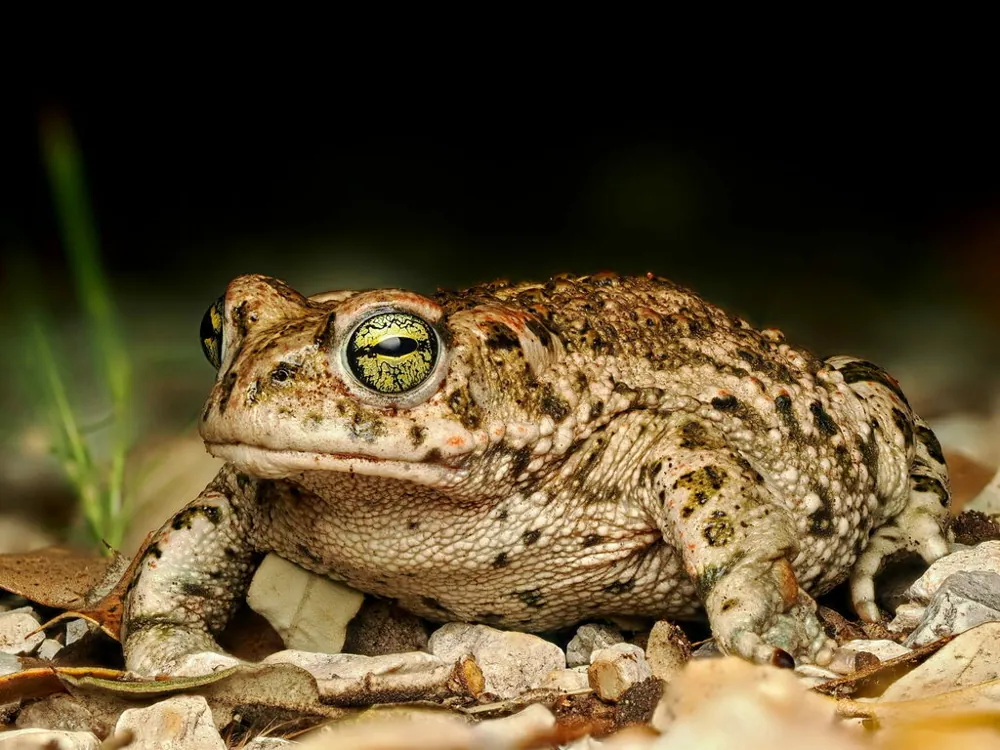
The natterjack toad is a toad that lives on sandy ground and heathland in Europe. It is easy to tell apart from other toads by the yellow line down its back, and it is known for its very loud mating call. In Ireland, it is the only native toad.1
 Otú ị ga-esi mata ya
- A yellow line runs down the middle of the back.1
- Parallel paratoid glands (the raised glands behind the eyes) are a key feature.1
- Adults are 60 to 70 mm long.1
- Short legs give it a distinctive walk, unlike the hopping of many other toads.1
- Males have a single vocal sac under the chin that amplifies a very loud, distinctive call.1
A na-agwakọkarị ya na: It is often confused with common toads. Natterjacks are told apart by the yellow line down the back and the parallel paratoid glands.1
Ike nsị
Akpụkpọ ahụ ya nwere nsị. Ọ dị egwu imetụ ya aka, iracha ya ma ọ bụ iri ya.
Kedu otú o si dị egwu nye mmadụ?
Ihe ize ndụ nye mmadụ: ObereDị ka ịgba aṅụ ma ọ bụ nke na-erughị ya. Ọ fọrọ nke nta ka ọ ghara ịdị njọ nye mmadụ. Ọ bụrụ na mmadụ metụrụ ya aka ma ọ bụ rie ya
- Ọ bụrụ na mmadụ metụrụ otu aka: saa aka nke ọma, emetụkwala anya ma ọ bụ ọnụ aka. Ọ bụrụ na nwatakịrị ma ọ bụ anụ ụlọ rachara otu ma ọ bụ rie ya: kpọọ ụlọ ọrụ ndụmọdụ nsị (poison centre) ma ọ bụ nọmba mberede gị.
Na-ebu ụzọ kpọọ nọmba mberede gị mgbe niile (112, 000, 911). Nke a bụ ndụmọdụ enyemaka mbụ n'ozuzu, ọ bụghị ndụmọdụ ọgwụ. Isi ihe enyemaka mbụ
 Nọrọ na nchekwa
- Emetụla anụ ọhịa aka, ejidela ya, emekwala ya ihe ọjọọ, ọbụna obere, ọbụna ma ọ dị ka ọ na-ehi ụra ma ọ bụ nwụọ anwụ.
- Nye ya ohere. Ọ bụrụ na ị zutere otu, dị jụụ, laghachi azụ nwayọ, hapụ ya ka ọ gaa ụzọ ya.
- Ọ bụrụ na i metụrụ ya aka ma ọ bụ rie ya: ehichala anya gị ma ọ bụ ọnụ gị, saa aka gị, chọọkwa enyemaka ọgwụ.
Ọ naghị achụ gị. Nsị ya dị naanị ka ihe ọ bụla ghara iri ya. Ihe ndị ọzọ gbasara ịnọ na nchekwa
Ọ hà aṅaa?
Kedu otú o si dị ogologo?
 dị ogologo dị ka blọk egwuregwu 2 n'ahịrị
 nwere ike ịgba ọsọ mita 100 n'ime sekọnd 180 (mmadụ kacha ọsọ chọrọ 9,6)
Kedu otú Natterjack toad si hà ma e jiri ya tụnyere GỊ?
Naanị mgbakọ na mwepụ n'ime browser gị. Ọ dịghị ihe echekwara ma ọ bụ ezigara ebe ọ bụla.
Kedu otú o si agba ọsọ?


Eziokwu
Their loud mating calls matter because the toads are often present in low numbers, helping the sexes find each other.1
Natterjacks can live for up to 15 years.1
Natterjacks can only spawn in pools with a very slightly sloping bottom and sparse vegetation.1
They spread their breeding over a long summer period, so some young survive if temporary pools dry out.1
Some females spawn twice in one year.1
Maka ndị ọkachamara nsị
- Aha sayensị
- Epidalea calamita
- Otu
- Awọ nsị, awọ ala na newt
- Ezinụlọ
- Bufonidae2
- Usoro
- Anura
- Kọntinent dị iche iche
- Yurop
- Ụmụ ọhụrụ
- It spawns from the end of April to July, laying strings of eggs in shallow, warm pools.1
- Ogologo ndụ
- ihe dị ka afọ 151
- Otú ọ na-eme n'ọhịa
- Endangered in Ireland1
- Ihe ize ndụ nye mmadụ
- 1 / 5: Obere3
Ebe eziokwu ndị a si
- Natterjack toad (Wikipedia (CC BY-SA 4.0))
- Epidalea calamita (iNaturalist): aha na nhazi ọkwa.
- Venom Wiki: ọkwa ihe ize ndụ, nha nkịtị na nchepụta ọsọ bụ nke anyị. Lee otú anyị si achọpụta ha: Otú anyị si atụ ihe ize ndụ.
Eziokwu ọ bụla dị na peeji a nwere nọmba na-egosi ebe o si. Ọ bụrụ na anyị mehiere ihe, ndo, anyị bụ ndị hụrụ anụmanụ n'anya, ọ bụghị akwụkwọ akụkọ sayensị. Gwa anyị na [email protected], anyị ga-edozi ya.
 Akpị agụụ na-agụ! Venom Wiki bụ ọrụ otu onye: n'efu, na-enweghị mgbasa ozi na ndị na-esochi gị. Obere onyinye na-enyere aka idebe ya n'ịntanetị.Nye akpị nri
Ndị ọzọ si n'otu ahụ: Awọ nsị, awọ ala na newt
 Fire salamanderAwọ nsị, awọ ala na newtNaanị na-afụ ụfụEmetụla ya aka
 Common toadAwọ nsị, awọ ala na newtNaanị na-afụ ụfụEmetụla ya aka
 European fire-bellied toadAwọ nsị, awọ ala na newtAdịghị njọ
 Iberian ribbed newtAwọ nsị, awọ ala na newtAdịghị njọ
 Alpine salamanderAwọ nsị, awọ ala na newtAdịghị njọ
 European green toadAwọ nsị, awọ ala na newtAdịghị njọ
Ọ na-ebikwa na: Yurop
 Common European adderViper na adderỌ chọrọ dọkịta
 Spanish flyAnụmanụ ndị ọzọ nwere nsị n'ahụỌ chọrọ dọkịtaEmetụla ya aka
 Common waspAṅụ, ebu na ebu ukwuNaanị na-afụ ụfụ
 European hornetAṅụ, ebu na ebu ukwuNaanị na-afụ ụfụ
 Western honey beeAṅụ, ebu na ebu ukwuNaanị na-afụ ụfụ
 Blunt-nosed viperViper na adderNwere ike igbu mmadụ