
 Afirika
 Asiya
Asiya Bulaaya
 Amerika ey'Obukiikaddyo
 Awusitureeliya ne Oseyaniya
 Antakitika
 Oseyani ya Pasifiki
 Oseyani ya Atlantiki
 Oseyani y'e Buyindi
 Oseyani ya Arakitiki
 Ennyanja ya Mediterenia
 Ennyanja Emmyufu
 Ennyanja ya Karibiyani
 Ennyanja ya Korali
 Ennyanja ya China ey'Obukiikaddyo
 Ennyanja ya Bufilipino
 Ennyanja ya Andaman
 Ennyanja ey'Obukiikakkono (North Sea)
 Ennyanja ya Timor ne Arafura
 Ekikono kya Bengal
 Ekikono kya Kalifoniya
Plate fire coral
 Kibojja
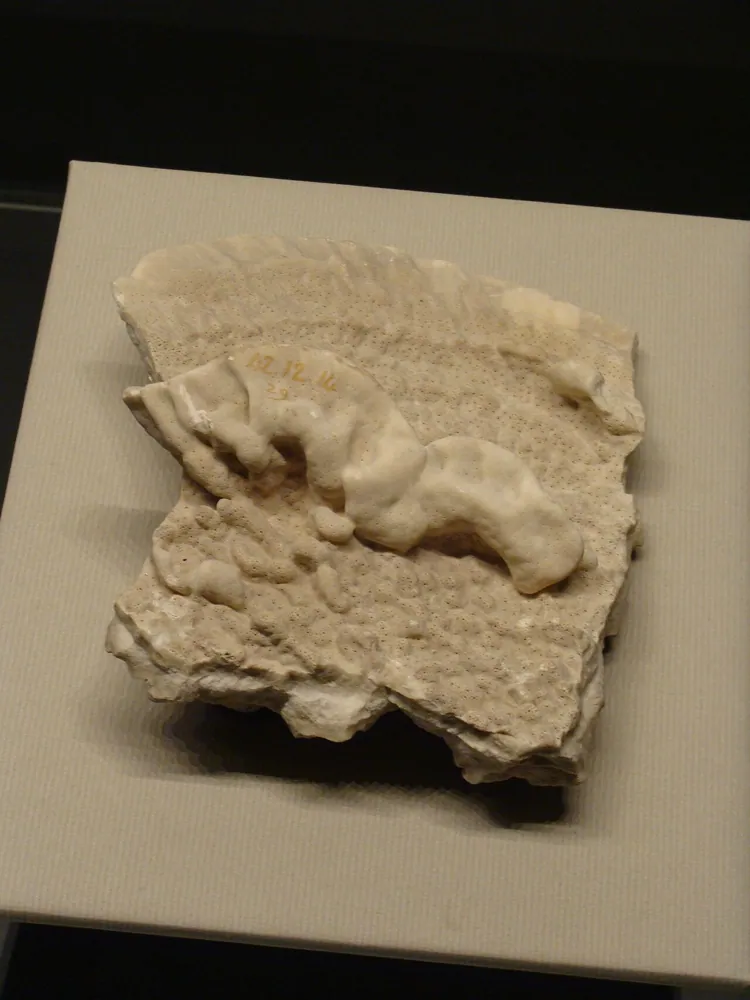
Plate fire coral is a reef-building animal that looks like a coral but is actually a relative of jellyfish. It grows in shallow, sunny reef water across the Indo-Pacific, from the Red Sea and East Africa to northern Australia and French Polynesia. It matters because it helps build reefs and can give a painful burning sting.1


 Engeri y'okukitegeera
- Colonies are yellow-green or light-brown, and the tips may be white.1
- It usually grows in plate-like or blade-like forms, though it can also form branches, fans or encrusting layers.1
- Colonies often measure 200 to 300 cm across and can be up to 200 cm high.1
Kitera okutabulwa ne: Other fire corals, such as Millepora dichotoma and Millepora exaesa, are often confused with it. Plate fire coral is generally plate-like or blade-like, which helps tell it apart from them.1
Amaanyi g'obusagwa
Obusagwa buyita mu ggwa lyakyo eribojja.
Obusagwa bwakyo bukola ki?
Its defensive polyps carry stinging cells called nematocysts. Contact with them causes a burning sensation in humans.1
Kirina akabi kenkana wa eri abantu?
Akabi eri abantu: Kya bulumiKisobola okuluma ddala, naye kumpi tekiba kya kabi kinene.Kikola ki nga kitidde?
Its defensive polyps have long tentacles that sting anything that touches them.1
 Bwe kibojja
- Va mu mazzi era ggyako ebiwuuzi (tentacles) byonna (ng'okozesa ggalavu oba olugoye).
- Ku box jellyfish ez'omu bitundu ebibuguma: yiwa viniga ku bifo ebibojjeddwa okumala waakiri sikonda 30, kuba essimu okufuna obuyambi era beera mwetegefu okukola CPR. Ku bluebottles n'endala ezisinga: yozaayo n'amazzi g'ennyanja, oluvannyuma amazzi agookya olw'obulumi.
Bulijjo sooka kuba ennamba y'ebigwa bitalaze (112, 000, 911). Buno bulagirizi bwa bujjanjabi obusooka obwa bulijjo, si kuwabula kwa musawo. Obujjanjabi obusooka obw'omusingi
 Weekuume
- Tokwatako, tokwata wadde okusoomooza ensolo ey'omu nsiko, ne bw'eba ntono, era ne bw'eba erabika nga yeebase oba nga efudde.
- Gireke n'ebbanga. Bw'osisinkana emu, beera mukkakkamu, dda emabega mpola era gireke egende mu kkubo lyayo.
- Bw'emu ekubojja: beera mukkakkamu, totambula, kuba ennamba y'ebigwa bitalaze (112, 000, 911) oba tuuka mu ddwaliro mangu. Jjukira bwe yali efaanana, ekifaananyi kiyamba.
Tekikunoonya. Kikozesa obusagwa bwakyo okukwata emmere oba okwekuuma, era kyandisinze kwekweka. Ebirala ku kwekuuma
Wa mu nsi?
Kinene kyenkana wa?
Kiwanvu kyenkana wa?
 kiwanvu nga mbwa 3 okuva ku nnyindo okutuuka ku mukira
 kiwanvu nga ndiizi 17 eziteekeddwa mu lunyiriri
 kirwawo okusinga ekkovu ly'omu nnimiro
Plate fire coral kinene kyenkana wa bw'ogeraageranya ne GGWE?
Kubala bwokka mu browser yo. Tewali kitterekebwa wadde okusindikibwa wonna.
Kidduka kyenkana wa?


Ebituufu
Despite its name, plate fire coral is not a true coral. It belongs to the class Hydrozoa, which is separate from the stony and soft corals.1
It has two kinds of polyps: feeding polyps for catching food and defensive polyps with longer tentacles for protection.1
Its colonies can break into fragments during rough water, and these fragments can drift and start new colonies on nearby reefs.1
It can take many forms, including branches, fans, plates, blades and encrusting layers, and its shape depends on where it grows.1
It was once thought to have disappeared from the Eastern Pacific after bleaching events, but researchers later confirmed that its range extends back there.1
It helps build reefs in the Indo-Pacific region.1
Omumenyi w'enfumo
Enfumo: Plate fire coral is a true coral.
Amazima: It is a hydrozoan, not a true coral, and is separate from the stony and soft corals.1
Ku bakugu mu busagwa
- Erinnya erya ssaayansi
- Millepora platyphylla
- Ekibinja
- Jellyfish n'ebibojja eby'ennyanja
- Amaka
- Milleporidae2
- Ensengeka
- Anthoathecata
- Ssemazinga
- Oseyani ya Pasifiki, Oseyani y'e Buyindi, Ennyanja Emmyufu, Ennyanja ya Korali, Ennyanja ya Bufilipino, Ennyanja ya Timor ne Arafura, Ekikono kya Bengal, Oseyani
- Abaana abawere
- It releases reproductive buds that send eggs and sperm into the water, where fertilisation happens outside the body. The free-swimming larvae settle and become polyps after about 1 day.1
- Akabi eri abantu
- 2 / 5: Kya bulumi3
Ebituufu we biva
- Millepora platyphylla (Wikipedia (CC BY-SA 4.0))
- Millepora platyphylla (iNaturalist): amannya n'ensengeka y'ebika.
- Venom Wiki: omutendera gw'akabi, obunene obwa bulijjo n'okuteebereza kw'embiro bibyaffe. Laba engeri gye tubibalamu: Engeri gye tupimamu akabi.
Buli kituufu ku lupapula luno kirina ennamba eraga we kyava. Bwe tuba tukoze ensobi, tusonyiwe, tuli bayagazi ba nsolo, so si magazini ya ssaayansi. Tubuulire ku [email protected] tujja kugitereeza.
 Enjaba erumwa enjala! Venom Wiki pulojekiti ya muntu omu: ya bwereere, tewali birango era tewali bikulondoola. Akasiimo akatono kayamba okugikuuma ku yintaneti.Liisa enjaba
Ebirala okuva mu kibinja kye kimu: Jellyfish n'ebibojja eby'ennyanja
 Australian box jellyfishJellyfish n'ebibojja eby'ennyanjaKittaTokwatako
 Irukandji jellyfishJellyfish n'ebibojja eby'ennyanjaKisobola okuttaTokwatako
 Portuguese man o' warJellyfish n'ebibojja eby'ennyanjaKyetaaga omusawoTokwatako
 Lion's mane jellyfishJellyfish n'ebibojja eby'ennyanjaKiruma bwokkaTokwatako
 Moon jellyfishJellyfish n'ebibojja eby'ennyanjaTekirina kabi
 Common kingslayerJellyfish n'ebibojja eby'ennyanjaKisobola okuttaTokwatako
Era kibeera mu: Oseyani ya Pasifiki
 Geography coneCone snail ne octopusKitta
 Greater blue-ringed octopusCone snail ne octopusKitta
 Japanese pufferfishEnsolo endala ez'obutwaKitta
 Southern blue-ringed octopusCone snail ne octopusKitta
 Hawksbill sea turtleEnsolo endala ez'obutwaKisobola okutta
 Reef stonefishEbyennyanja eby'obusagwaKisobola okuttaTokwatako