
 Africa
 Asia
Asia Ulaya
Ulaya Amereka ya Kumwera
 Australia ndi Oceania
 Antarctica
 Nyanja ya Pacific
 Nyanja ya Atlantic
 Nyanja ya Indian
 Nyanja ya Arctic
 Nyanja ya Mediterranean
 Nyanja Yofiira
 Nyanja ya Caribbean
 Nyanja ya Coral
 Nyanja ya South China
 Nyanja ya Philippine
 Nyanja ya Andaman
 Nyanja ya Kumpoto (North Sea)
 Nyanja ya Timor ndi Arafura
 Nyanja ya Bengal
 Gulf ya California
Io moth
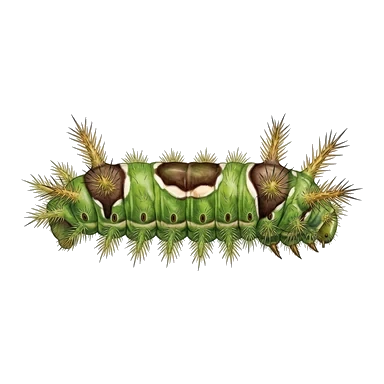 Ubweya wolasa
The Io moth is a colourful moth from North America. Its adults are striking, with large eyespots on their wings. Its green caterpillars carry spines that release a very painful venom, so they should be left alone.1
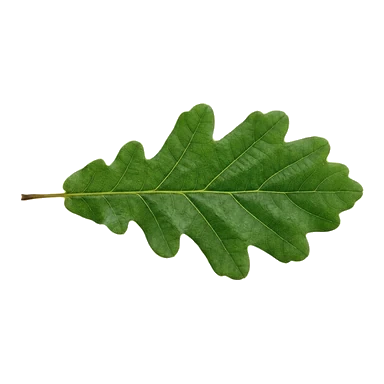
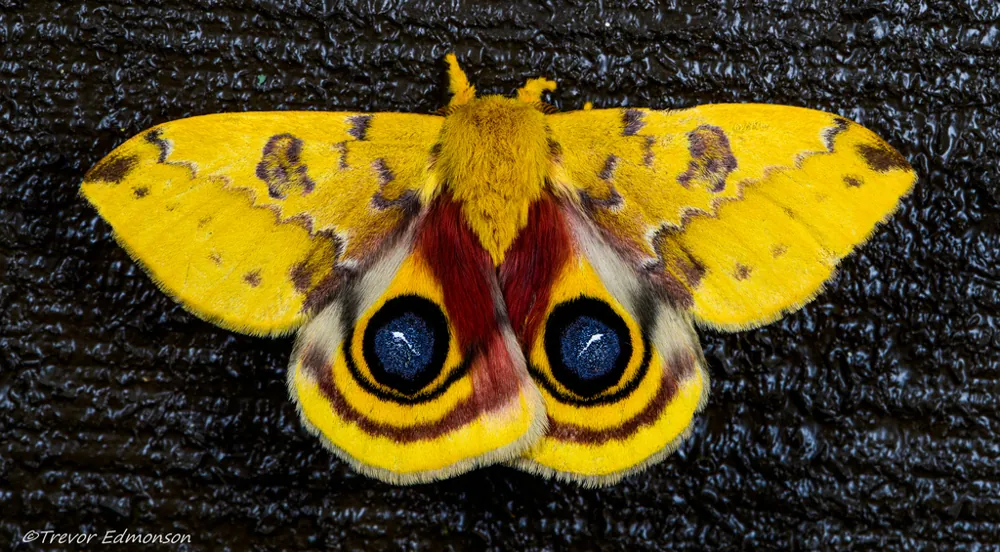
 Mmene ungaizindikirire
- Males have bright yellow forewings, body and legs, and much bigger feathery antennae than females.1
- Females have reddish-brown to purple forewings, body and legs.1
- Both sexes have one large black to bluish eyespot with some white in the centre on each hindwing.1
- Mature caterpillars are bright green and covered in spines, with two lateral stripes: the upper one bright red and the lower one white.1
- Adults have a wingspan of 6.3 to 8.8 cm.1
Mphamvu ya ululu
Ubweya waung'ono kapena tsitsi laminga zimadukira pakhungu ndi kulasa.
Ululu wake umachita chiyani?
The spines of the green caterpillars release a very painful venom at the slightest touch. Contact is not life-threatening to humans, but it irritates the skin and causes an acute skin inflammation called erucism.1
Ndi yoopsa bwanji kwa anthu?
Ngozi kwa anthu: YopwetekaIngathe kupweteka kwambiri, koma pafupifupi nthawi zonse si vuto lalikulu.Contact with the spines is not life-threatening to humans, but it causes painful skin irritation.1
Imachita chiyani ikachita mantha?
When sitting head-down or when touched, adults shake and expose their hindwing eyespots. Caterpillars defend themselves with stinging spines.1
 Ukakhudza ubweya wake
- Pa ubweya wa mbozi zolasa: uchotse ndi tepi yomata, kenako sambitsa khungu. Usasisite.
- Polumidwa: sambitsa ndi kuziziritsa. Peza thandizo la dokotala ngati munthuyo sakumva bwino kapena akutuluka magazi mosavuta.
Nthawi zonse yamba wayimbira nambala yadzidzidzi (112, 000, 911). Awa ndi malangizo wamba a chithandizo choyamba, osati malangizo a dokotala. Zoyambira za chithandizo choyamba
 Khala wotetezeka
- Usakhudze, kugwira kapena kuseweretsa nyama yakuthengo, ngakhale yaing'ono, ndipo ngakhale ikuoneka ngati yagona kapena yafa.
- Ipatse malo. Ukakumana nayo, khala chete, bwerera m'mbuyo pang'onopang'ono ndipo uilole ipite njira yake.
- Ukakhudza ubweya wake: khala chete, usasunthe, imbira nambala yadzidzidzi (112, 000, 911) kapena pita kuchipatala mwachangu. Kumbukira m'mene inkaonekera, chithunzi chimathandiza.
Sikufuna kukuvulaza. Imagwiritsa ntchito ululu wake kugwira chakudya kapena kudziteteza, ndipo imakonda kwambiri kubisala. Zambiri za kukhala wotetezeka
Kuti padziko lapansi?
Ndi yaikulu bwanji?
Ndi yaitali bwanji?
 yaitali ngati zidutswa zomangira zoseweretsa 3 pamzere
 yochedwa kuposa nkhono ya m'munda
Io moth ndi yaikulu bwanji poyerekeza ndi IWE?
Ndi masamu chabe mu msakatuli wako. Palibe chomwe chimasungidwa kapena kutumizidwa kwina.
Imathamanga bwanji?

Mfundo
The caterpillars' spines are urticating, meaning they can cause a stinging reaction on contact.1
Adults live only 1 to 2 weeks and do not eat during this stage.1
After emerging from the cocoon, adults inflate their furled wings with fluid pumped from the body, which takes about twenty minutes.1
Females attract males by releasing wind-borne scent chemicals (pheromones) from a gland at the end of the abdomen.1
Many flies and wasps are parasitoids of this moth, laying their eggs in or on it.1
Za akatswiri a ululu
- Dzina la sayansi
- Automeris io
- Gulu
- Mbozi ndi tizilombo
- Banja
- Saturniidae2
- Dongosolo
- Lepidoptera
- Makontinenti
- Amereka ya Kumpoto
- Ana akhanda
- Females lay clusters of more than twenty small white eggs on leaves. The eggs hatch within 8 to 11 days.1
- Mmene ilili kuthengo
- Not evaluated by the IUCN Red List and has no special status on the US Federal List. Populations in the eastern US are declining and becoming more localised.1
- Ngozi kwa anthu
- 2 / 5: Yopweteka3
Kumene mfundo zimachokera
- Automeris io (Wikipedia (CC BY-SA 4.0))
- Automeris io (iNaturalist): mayina ndi magulu a sayansi.
- Venom Wiki: mlingo wa ngozi, kukula wamba ndi kuyerekeza kwa liwiro ndi zathu. Ona mmene timazipezera: Mmene timayezera ngozi.
Mfundo iliyonse patsamba lino ili ndi nambala yosonyeza kochokera. Ngati talakwitsa, pepani, ndife okonda nyama, osati magazini a sayansi. Tiuze pa [email protected] ndipo tikonza.
 Chinkhanira chili ndi njala! Venom Wiki ndi ntchito ya munthu mmodzi: yaulere, yopanda zotsatsa ndi zokutsatira. Mphatso yaing'ono imathandiza kuti ikhalebe pa intaneti.Dyetsa chinkhanira
Zina za gulu lomwelo: Mbozi ndi tizilombo
 Giant water bugMbozi ndi tizilomboImangopweteka
 Puss caterpillarMbozi ndi tizilomboImangopwetekaUsakhudze
 Saddleback caterpillarMbozi ndi tizilomboImangopwetekaUsakhudze
 Wheel bugMbozi ndi tizilomboImangopweteka
 Giant vinegaroonMbozi ndi tizilomboYosavulaza
 Rhodnius kissing bugMbozi ndi tizilomboIkufuna dokotala
Imakhalanso ku: Amereka ya Kumpoto
 TerciopeloNjoka za pit viperYakupha
 Eastern coral snakeNjoka za coralIngathe kupha
 Eastern diamondback rattlesnakeNjoka za rattlesnakeIngathe kupha
 Eyelash viperNjoka za pit viperIngathe kupha
 Timber rattlesnakeNjoka za rattlesnakeIngathe kupha
 Western diamondback rattlesnakeNjoka za rattlesnakeIngathe kupha