
 Africa
 Asia
Asia Ulaya
Ulaya Amereka ya Kumwera
 Australia ndi Oceania
 Antarctica
 Nyanja ya Pacific
 Nyanja ya Atlantic
 Nyanja ya Indian
 Nyanja ya Arctic
 Nyanja ya Mediterranean
 Nyanja Yofiira
 Nyanja ya Caribbean
 Nyanja ya Coral
 Nyanja ya South China
 Nyanja ya Philippine
 Nyanja ya Andaman
 Nyanja ya Kumpoto (North Sea)
 Nyanja ya Timor ndi Arafura
 Nyanja ya Bengal
 Gulf ya California
Lesser weever
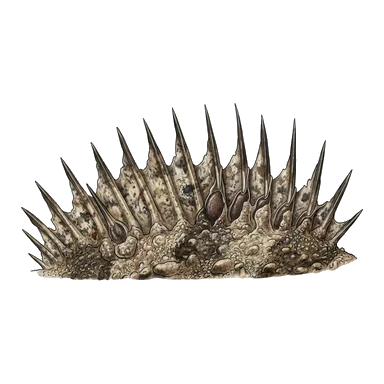 Minga yaululu
The lesser weever is a small, venomous fish that lies buried in sand on the sea floor, often close to the shore. Its venom is strong, and it is considered one of Europe's most dangerous weever species because it lives near beaches where people swim.1
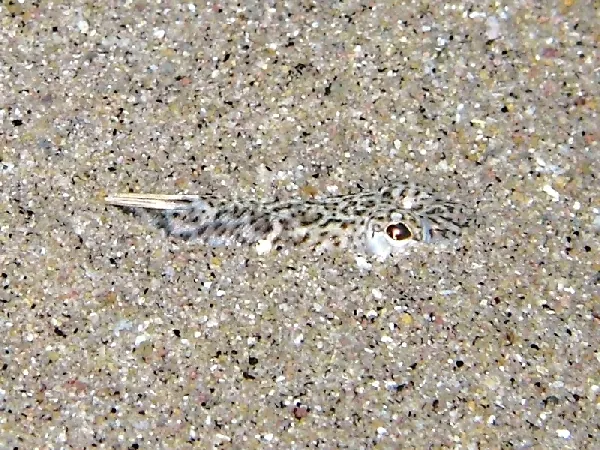
 Mmene ungaizindikirire
Mphamvu ya ululu
Minga yakuthwa imanyamula ululu. Kuiponda kapena kuigwira kumapweteka.
Ululu wake umachita chiyani?
The venom contains trachinine, a cytolysin (a substance that breaks down cells), along with serotonin, histamine-releasing substances and various enzymes. The sting causes acute and intense pain that often spreads to the area around the limb, and it peaks about 30 minutes after the sting. Swelling, redness, numbness, tingling, nausea and vomiting are common, and rare severe effects include abnormal heart rhythms, seizures, decreased blood pressure and unconsciousness.1
Ndi yoopsa bwanji kwa anthu?
Ngozi kwa anthu: YoopsaMinga yake ikakubaya, pita kwa dokotala. Imfa ndi zosowa kwambiri.The lesser weever can sting swimmers badly if they disturb it in the water, and fishermen can be stung when cleaning their nets. Because of its venom and its occurrence near beaches, it is considered one of Europe's most dangerous weever species. Some pain may continue for up to 24 hours.1
Imachita chiyani ikachita mantha?
It rests buried in the sand with only its eyes and the tip of its first dorsal fin exposed, and it stings when disturbed.1
 Minga yake ikakubaya
- Wash the wound, then immerse it in very hot water for at least an hour to ease the pain and help destroy the protein-based venom. The water should be 40 °C (104 °F) or as hot as the patient can tolerate. Reassure the patient that the sting is relatively harmless.1
- Ika bala m'madzi otentha, otentha monga momwe munthuyo angapirire osapsa (yesa ndi dzanja lako), kwa mphindi 30 mpaka 90. Peza thandizo la dokotala, makamaka pa stonefish ndi stingray.
Nthawi zonse yamba wayimbira nambala yadzidzidzi (112, 000, 911). Awa ndi malangizo wamba a chithandizo choyamba, osati malangizo a dokotala. Zoyambira za chithandizo choyamba
 Khala wotetezeka
- Usakhudze, kugwira kapena kuseweretsa nyama yakuthengo, ngakhale yaing'ono, ndipo ngakhale ikuoneka ngati yagona kapena yafa.
- Ipatse malo. Ukakumana nayo, khala chete, bwerera m'mbuyo pang'onopang'ono ndipo uilole ipite njira yake.
- Minga yake ikakubaya: khala chete, usasunthe, imbira nambala yadzidzidzi (112, 000, 911) kapena pita kuchipatala mwachangu. Kumbukira m'mene inkaonekera, chithunzi chimathandiza.
Sikufuna kukuvulaza. Imagwiritsa ntchito ululu wake kugwira chakudya kapena kudziteteza, ndipo imakonda kwambiri kubisala. Zambiri za kukhala wotetezeka
Kuti padziko lapansi?
Ndi yaikulu bwanji?
Ndi yaitali bwanji?
 yaitali ngati zidutswa zomangira zoseweretsa 9 pamzere
 ingasambire kutalika kwa dziwe lalikulu losambira (50 m) m'masekondi 43
Lesser weever ndi yaikulu bwanji poyerekeza ndi IWE?
Ndi masamu chabe mu msakatuli wako. Palibe chomwe chimasungidwa kapena kutumizidwa kwina.
Imathamanga bwanji?
Mfundo
It has the most potent toxin of all the weevers.1
Pain from its sting usually peaks about 30 minutes after the sting.1
Its venom contains trachinine, a cytolysin that breaks down cells.1
Very rarely, sting pain spreads to the lymph nodes in the groin or armpit.1
Its venom glands are on the first dorsal fin and on the gill cover.1
Kumene mfundo zimachokera
- Lesser weever (Wikipedia (CC BY-SA 4.0))
- Echiichthys vipera (iNaturalist): mayina ndi magulu a sayansi.
- Venom Wiki: mlingo wa ngozi, kukula wamba ndi kuyerekeza kwa liwiro ndi zathu. Ona mmene timazipezera: Mmene timayezera ngozi.
Mfundo iliyonse patsamba lino ili ndi nambala yosonyeza kochokera. Ngati talakwitsa, pepani, ndife okonda nyama, osati magazini a sayansi. Tiuze pa [email protected] ndipo tikonza.
 Chinkhanira chili ndi njala! Venom Wiki ndi ntchito ya munthu mmodzi: yaulere, yopanda zotsatsa ndi zokutsatira. Mphatso yaing'ono imathandiza kuti ikhalebe pa intaneti.Dyetsa chinkhanira
Zina za gulu lomwelo: Nsomba zaululu
 Reef stonefishNsomba zaululuIngathe kuphaUsakhudze
 Red lionfishNsomba zaululuIkufuna dokotalaUsakhudze
 Estuarine stonefishNsomba zaululuIngathe kuphaUsakhudze
 Short-tail stingrayNsomba zaululuIngathe kupha
 Striped eel catfishNsomba zaululuIngathe kuphaUsakhudze
 Bluespotted ribbontail rayNsomba zaululuIkufuna dokotala
Imakhalanso ku: Nyanja ya Atlantic
 Hawksbill sea turtleNyama zina za poizoniIngathe kupha
 Portuguese man o' warJellyfish ndi zolasa za m'nyanjaIkufuna dokotalaUsakhudze
 Blue sea dragonNkhono za cone ndi ma octopusImangopweteka
 Greenland sharkNyama zina za poizoniImangopweteka
 Lion's mane jellyfishJellyfish ndi zolasa za m'nyanjaImangopwetekaUsakhudze
 Common octopusNkhono za cone ndi ma octopusYosavulaza