
 Afurika
 Aziya
Aziya Uburayi
 Amerika y'Amajyepfo
 Ositaraliya na Oseyaniya
 Antaragitika
 Inyanja ya Pasifika
 Inyanja ya Atalantika
 Inyanja y'Abahinde
 Inyanja ya Arigitika
 Inyanja ya Mediterane
 Inyanja Itukura
 Inyanja ya Karayibe
 Inyanja ya Korali
 Inyanja y'Amajyepfo y'u Bushinwa
 Inyanja ya Filipine
 Inyanja ya Andamani
 Inyanja y'Amajyaruguru
 Inyanja ya Timor na Arafura
 Ikigobe cya Bengali
 Ikigobe cya Kaliforuniya
Indochinese spitting cobra
 Itera cyangwa icira
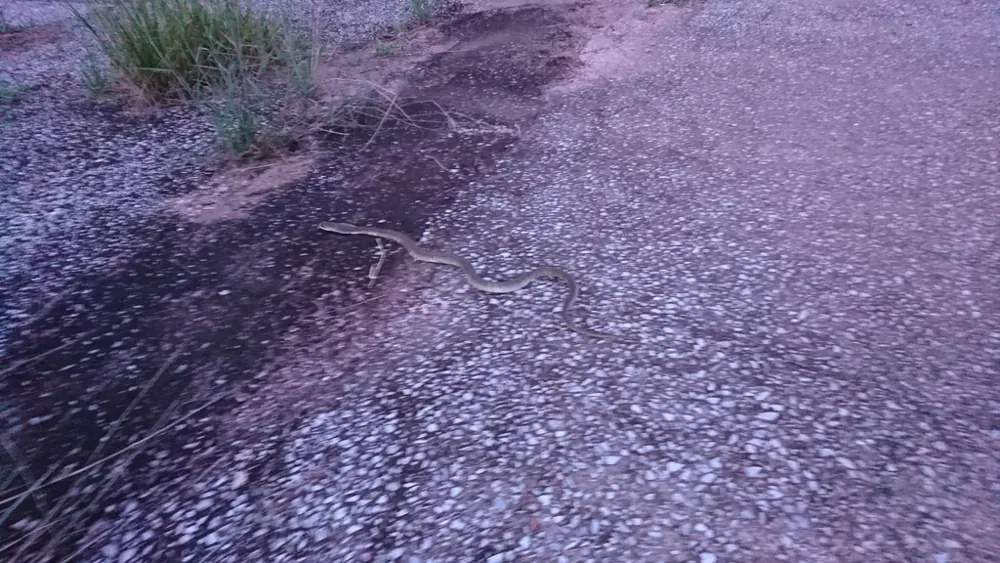
The Siamese spitting cobra is a medium-sized snake that can spray venom from a distance. It lives in Southeast Asia, including Thailand, Cambodia, Vietnam and Laos. It is special because it is a 'true spitter' that sprays venom into the face of a threat, and its bite can be dangerous to people.1



 Uko wayimenya
- Body colour ranges from grey to brown to black, with white spots or stripes.1
- The black and white colour form is common in central Thailand. Snakes from western Thailand are mostly black, and those from elsewhere are usually brown.1
- The hood mark may be spectacle-shaped or irregular, or missing altogether, especially in adults.1
- It is medium-sized with a more slender build than most other cobras in the genus Naja.1
Ikunze kwitiranywa na: The monocled cobra (Naja kaouthia) has a similar habitat, size and appearance, so it is easy to confuse with this species. This species is a 'true spitter' that sprays a mist, rather than the stream that many other spitting cobras produce.1
Imbaraga z'ubumara
Itera cyangwa icira abayitera amazi aryana.
Ubumara bwayo bukora iki?
Its venom is mainly a postsynaptic neurotoxin, which attacks the nerves, and a cytotoxin, which kills tissue. A bite causes pain, swelling and necrosis (death of tissue) around the wound. Neurotoxic effects can lead to paralysis and difficulty breathing. If venom is spat into the eyes, it causes immediate, severe pain and can cause temporary or sometimes permanent blindness.1
Iteje akaga kangana iki ku bantu?
Akaga ku bantu: Iteje akaga cyaneIshobora kwica umuntu utavuwe.The bite is potentially lethal to an adult human. Deaths usually happen through paralysis and asphyxiation (suffocation), mainly in rural areas where antivenin is hard to obtain. In one Thai hospital survey, neurotoxic signs appeared in 12 of 114 cases (10.5%).1
 Inkuru nziza: abaganga bafite umuti (umuti urwanya ubumara, antivenom) cyangwa uburyo bwo kuvura ibi.1
Ikora iki iyo ifite ubwoba?
At night it is aggressive: it stands its ground, rears up, displays its hood and spits venom, and it bites as a last resort. In daylight it is usually timid and seeks shelter in the nearest burrow.1
 Niba iruma cyangwa icira ubumara
- Umuntu agume atanyeganyega kandi atuje, mukuremo impeta n'ibindi bintu bifashe cyane, kandi mujye ku bitaro vuba: umuti urwanya ubumara (antivenom) ni wo muti.
- Niba ubumara bwaciriwe mu maso, yoze ako kanya ukoresheje amazi menshi meza.
Buri gihe banza uhamagare nimero y'ubutabazi (112, 000, 911). Izi ni inama rusange z'ubutabazi bw'ibanze, si inama za muganga. Ibanze by'ubutabazi bw'ibanze
 Irinde akaga
- Ntuzigere ukora, ufata cyangwa ushotora inyamaswa yo mu gasozi, nubwo yaba ntoya, kandi nubwo yasa n'isinziriye cyangwa yapfuye.
- Yihe umwanya. Niba uhuye n'imwe, tuza, usubire inyuma buhoro buhoro kandi uyireke yigendere.
- Niba imwe ikurumye cyangwa ikagucira ubumara mu maso: tuza, ntunyeganyege, hamagara nimero y'ubutabazi (112, 000, 911) cyangwa ujye ku bitaro vuba. Ibuka uko yasaga, ifoto irafasha.
Ntigushakisha ngo ikugirire nabi. Ikoresha ubumara bwayo kugira ngo ifate ibyo kurya cyangwa yirinde, kandi ikunda cyane kwihisha. Ibindi ku kwirinda
Ingana gute?
Ireshya ite?
Iremera ibingana iki?
 ireshya n'injangwe zo mu rugo 3 zikurikiranye kuva ku zuru kugeza ku murizo
 ireshya n'imineke 9 ikurikiranye
 yakwiruka metero 100 mu masegonda 51 (umuntu wihuta kurusha abandi akenera 9,6)
Indochinese spitting cobra ingana ite ugereranyije NAWE?
Ni imibare gusa ikorerwa muri mudasobwa yawe. Nta kintu kibikwa cyangwa cyoherezwa ahandi.
Yihuta gute?


Ibintu by'ukuri
Some hatchlings are about 32 cm long, and they are venomous from the moment they hatch.1
Its reported spitting range is about 1 metre, the shortest of any spitting cobra, although one researcher reports it may reach about 2 metres in a stream.1
It has been reported in Taiwan, where it was released into the wild as part of folklore Buddhist practices.1
The black and white form is so distinctive that it is the best-known colour phase, especially in central Thailand.1
Usenya ibinyoma
Ikinyoma: It is the same animal as the monocled cobra or the Chinese cobra.
Ukuri: It was once confused with these snakes, but it has been confirmed as a distinct species.1
Ku bahanga mu by'ubumara
- Izina rya siyansi
- Naja siamensis
- Itsinda
- Cobra, mamba na krait
- Umuryango
- Elapidae2
- Itsinda rinini (order)
- Squamata
- Imigabane
- Aziya
- Abana bato
- It lays eggs. A female lays 13 to 19 eggs, which hatch after 48 to 70 days depending on temperature. Hatchlings are independent and already have working venom systems, so they should be treated with the same respect as adults.1
- Akaga ku bantu
- 4 / 5: Iteje akaga cyane3
Aho ibintu bivugwa bituruka
- Siamese spitting cobra (Wikipedia (CC BY-SA 4.0))
- Naja siamensis (iNaturalist): amazina n'ibyiciro.
- Venom Wiki: urwego rw'akaga, ingano isanzwe n'ikigereranyo cy'umuvuduko ni ibyacu bwite. Reba uko tubibara: Uko tugena akaga.
Buri kintu kivugwa kuri iyi paji gifite nimero yerekana aho cyavuye. Niba twibeshye, tubabarire, turi abakunzi b'inyamaswa, ntituri ikinyamakuru cya siyansi. Tubwire kuri [email protected] tuzabikosora.
 Sikorupiyo irashonje! Venom Wiki ni umushinga w'umuntu umwe: ni ubuntu, nta matangazo kandi nta bikurikirana abantu. Impano ntoya ifasha kugira ngo ikomeze kuboneka kuri interineti.Gaburira sikorupiyo
 Indian cobra
 King cobra
 Caspian cobra
 Common krait
 Malayan krait
 Many-banded krait
 Deathstalker
 Indian saw-scaled viper
 Puff adder
 Impiri ya Russell
 Asian giant hornet
 Komodo dragon