
 Afurika
 Aziya
Aziya Uburayi
 Amerika y'Amajyepfo
 Ositaraliya na Oseyaniya
 Antaragitika
 Inyanja ya Pasifika
 Inyanja ya Atalantika
 Inyanja y'Abahinde
 Inyanja ya Arigitika
 Inyanja ya Mediterane
 Inyanja Itukura
 Inyanja ya Karayibe
 Inyanja ya Korali
 Inyanja y'Amajyepfo y'u Bushinwa
 Inyanja ya Filipine
 Inyanja ya Andamani
 Inyanja y'Amajyaruguru
 Inyanja ya Timor na Arafura
 Ikigobe cya Bengali
 Ikigobe cya Kaliforuniya
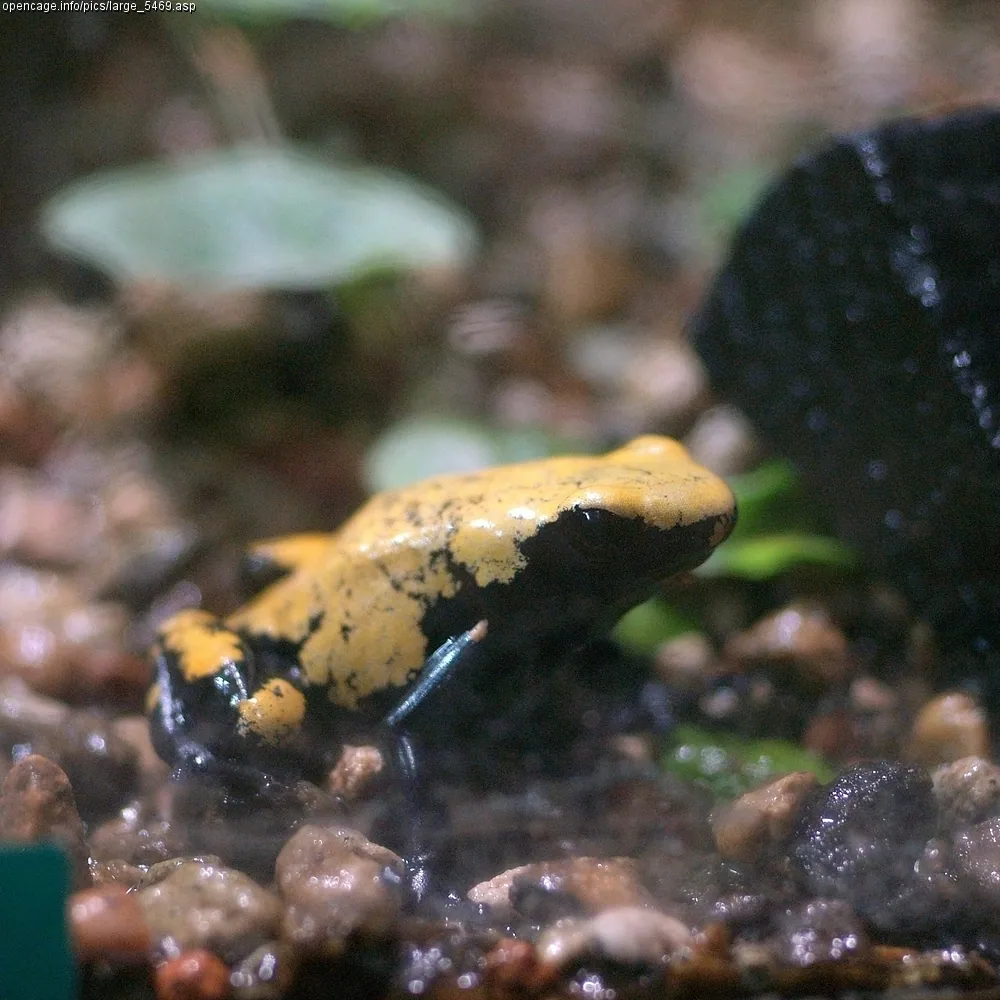
Splash-backed poison frog
 Uburozi mu ruhu rwayo
The splash-backed poison frog is a fairly large, brightly coloured frog from the rainforests of the southern Amazon Basin in Brazil. It is poisonous, not venomous, which means its skin is harmful to touch or eat rather than injecting venom with a bite. Its colours vary a great deal, which has made it an interesting case for scientists studying bright colours in poisonous frogs.1
 Uko wayimenya
- The best-known form is black below and yellow, orange or red above.1
- Its colour is very variable. Some have whitish-mint or light blue upperparts, and some have a mottled or spotted pattern on top.1
- Some individuals are almost all whitish, yellow-orange or black. Captive keepers call the whitish ones 'moonshine'.1
- A relatively large poison dart frog, with a snout-vent length of up to 42 mm.1
Imbaraga z'uburozi
Uruhu rwayo rufite uburozi. Ni bibi kuyikoraho, kuyirigata cyangwa kuyirya.
Iteje akaga kangana iki ku bantu?
Akaga ku bantu: IrababazaIshobora kubabaza cyane, ariko hafi ya buri gihe nta kibazo gikomeye biteza. Niba hari uwayikozeho cyangwa uwayiriye
- Niba hari uwakoze ku yindi: karaba intoki neza kandi ntukore ku maso cyangwa ku munwa. Niba umwana cyangwa itungo ryayirigase cyangwa ryayiriye: hamagara ikigo gishinzwe uburozi cyangwa nimero y'ubutabazi.
Buri gihe banza uhamagare nimero y'ubutabazi (112, 000, 911). Izi ni inama rusange z'ubutabazi bw'ibanze, si inama za muganga. Ibanze by'ubutabazi bw'ibanze
 Irinde akaga
- Ntuzigere ukora, ufata cyangwa ushotora inyamaswa yo mu gasozi, nubwo yaba ntoya, kandi nubwo yasa n'isinziriye cyangwa yapfuye.
- Yihe umwanya. Niba uhuye n'imwe, tuza, usubire inyuma buhoro buhoro kandi uyireke yigendere.
- Niba wayikozeho cyangwa wayiriye: ntukube amaso cyangwa umunwa, karaba intoki kandi ushake ubufasha bwa muganga.
Ntigushakisha ngo ikugirire nabi. Uburozi bwayo buriho gusa kugira ngo hatagira ikiyirya. Ibindi ku kwirinda
Ingana gute?
Ireshya ite?
 ngufi kurusha agahera kawe
 yakwiruka metero 100 mu masegonda 97 (umuntu wihuta kurusha abandi akenera 9,6)
Splash-backed poison frog ingana ite ugereranyije NAWE?
Ni imibare gusa ikorerwa muri mudasobwa yawe. Nta kintu kibikwa cyangwa cyoherezwa ahandi.
Yihuta gute?


Ibintu by'ukuri
Bright colour in poisonous frogs is often thought to warn predators away, but studies of this frog suggest the colour may matter more for recognising each other and for choosing mates.1
Adults carry their tadpoles to water, and scientists believe Brazil nut husks may be among the places they use.1
Its colours vary so much that some forms were once thought to be separate species, but genetic tests found almost no difference between them.1
The two most different-looking colour forms have largely the same poison profile.1
It is relatively common and regularly bred in captivity, but wild populations are still at risk from illegal collection.1
Usenya ibinyoma
Ikinyoma: Bright colours on a poisonous frog always warn predators that it will poison them if they try to eat it.
Ukuri: That is a longstanding interpretation, but studies of this frog suggest its colour may have more to do with recognising others of its kind and sexual selection than with deterring predators.1
Ku bahanga mu by'ubumara
- Izina rya siyansi
- Adelphobates galactonotus
- Itsinda
- Ibikeri by'uburozi, ibikeri binini na newt
- Umuryango
- Dendrobatidae2
- Itsinda rinini (order)
- Anura
- Imigabane
- Amerika y'Amajyepfo
- Abana bato
- Eggs are laid on the ground. After they hatch, the adults carry the tadpoles to water, possibly including water collected in Brazil nut husks.1
- Uko imeze mu gasozi
- Least Concern1
- Akaga ku bantu
- 2 / 5: Irababaza3
Aho ibintu bivugwa bituruka
- Adelphobates galactonotus (Wikipedia (CC BY-SA 4.0))
- Adelphobates galactonotus (iNaturalist): amazina n'ibyiciro.
- Venom Wiki: urwego rw'akaga, ingano isanzwe n'ikigereranyo cy'umuvuduko ni ibyacu bwite. Reba uko tubibara: Uko tugena akaga.
Buri kintu kivugwa kuri iyi paji gifite nimero yerekana aho cyavuye. Niba twibeshye, tubabarire, turi abakunzi b'inyamaswa, ntituri ikinyamakuru cya siyansi. Tubwire kuri [email protected] tuzabikosora.
 Sikorupiyo irashonje! Venom Wiki ni umushinga w'umuntu umwe: ni ubuntu, nta matangazo kandi nta bikurikirana abantu. Impano ntoya ifasha kugira ngo ikomeze kuboneka kuri interineti.Gaburira sikorupiyo
Izindi zo mu itsinda rimwe: Ibikeri by'uburozi, ibikeri binini na newt
 Golden poison frogIbikeri by'uburozi, ibikeri binini na newtYicaNtukayikoreho
 Cane toadIbikeri by'uburozi, ibikeri binini na newtBisaba mugangaNtukayikoreho
 Dyeing poison dart frogIbikeri by'uburozi, ibikeri binini na newtIrababaza gusaNtukayikoreho
 Black-legged poison frogIbikeri by'uburozi, ibikeri binini na newtIshobora kwicaNtukayikoreho
 Bruno's casque-headed frogIbikeri by'uburozi, ibikeri binini na newtBisaba mugangaNtukayikoreho
 Harlequin poison frogIbikeri by'uburozi, ibikeri binini na newtBisaba mugangaNtukayikoreho
 Terciopelo
 Brazilian wandering spider
 Eyelash viper
 Golden lancehead
 South American bushmaster
 Peruvian giant centipede