
 Afrika
 Asia
Asia Yuropu
 Amerika yeKumaodzanyemba
 Australia neOceania
 Antarctica
 Gungwa rePacific
 Gungwa reAtlantic
 Gungwa reIndia
 Gungwa reArctic
 Gungwa reMediterranean
 Gungwa Dzvuku
 Gungwa reCaribbean
 Gungwa reCoral
 Gungwa reChina yeKumaodzanyemba
 Gungwa rePhilippines
 Gungwa reAndaman
 Gungwa reKuchamhembe
 Gungwa reTimor neArafura
 Gungwa reBengal
 Gulf yeCalifornia
Castellana
 Inoruma
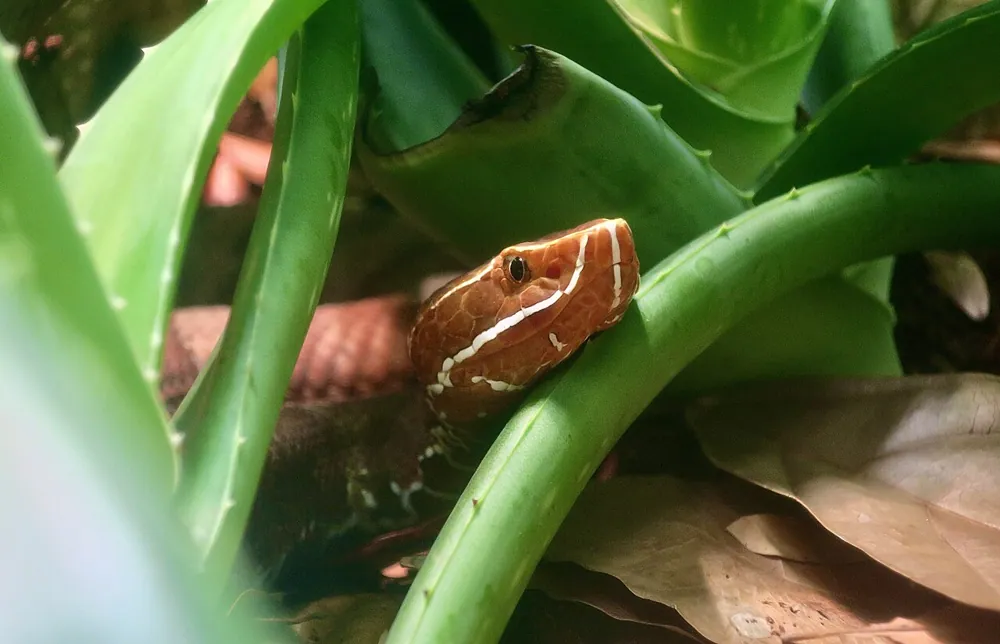
Castellana is a rare pit viper, a venomous snake that lives in dry forests on the Pacific side of Central America. It is a stout, medium-sized snake. Scientists know little about its bites, but lab tests suggest its venom is highly toxic.1



 Maziviro ayo
- A stout, medium-sized snake, up to 96 cm long including the tail.1
- Light to medium reddish-brown body with broad brown crossbands: 10 to 14 in males and 13 to 17 in females.1
- Two pale stripes on each side of the head.1
- Chin and throat are orange or orange-brown, lighter than the belly.1
- Large adult males are often very dark. Young snakes are paler, sometimes bright red.1
Inowanzovhiringidzwa ne: Copperheads lack the two pale stripes on each side of the face, and cottonmouths lack the loreal scale (a small scale between the eye and nostril). Other cantils have a lower face stripe that runs straight and unbroken, while in this species it dips below the pit.1
Simba reuturu
Uturu hunobuda nemeno ayo painoruma.
Uturu hwayo hunoitei?
Lab tests suggest the venom is highly toxic and similar to that of its close relative Agkistrodon bilineatus, and potentially lethal. No clinical reports of bites had been published as of 1999, so the effects on people are not well documented.1
Ine ngozi yakadii kuvanhu?
Ngozi kuvanhu: Ine ngozi zvikuruInogona kuuraya munhu asina kurapwa.No clinical reports of bites had been published as of 1999, so there is little human data on its danger. Lab analysis suggests the venom could be lethal.1
 Kana ikaruma
- Chengeta munhu asingafambe uye akadzikama, chengeta nhengo yakarumwa yakaenzana nemwoyo, bvisa mhete nezvinhu zvakasunga, uende kuchipatara nokukurumidza.
Gara uchitanga wafonera nhamba yechimbichimbi (112, 000, 911). Iri izano rakajairika rerubatsiro rwekutanga, kwete zano rechiremba. Zvakakosha zverubatsiro rwekutanga
 Gara wakachengeteka
- Usambobata mhuka yesango, kuedza kuitora kana kuinetsa, kunyange iri diki, uye kunyange ichiita seyakarara kana yakafa.
- Ipa nzvimbo. Kana ukasangana nayo, dzikama, dzokera shure zvishoma nezvishoma uirege iende nenzira yayo.
- Kana imwe ikakuruma: dzikama, gara wakanyarara, fonera nhamba yechimbichimbi (112, 000, 911) kana kuti enda kuchipatara nokukurumidza. Rangarira kuti yaitaridzika sei, mufananidzo unobatsira.
Haisi kukutsvaga. Inoshandisa uturu hwayo kubata chikafu kana kuzvidzivirira, uye inotonyanya kuda kuhwanda. Zvimwe pamusoro pekugara wakachengeteka
Yakakura sei?
Yakareba zvakadii?
 yakareba sekatsi dzepamba 2 kubva pamhuno kusvika kumuswe
 yakareba semabhanana 5 akateedzana
 inogona kumhanya mamita 100 mumasekondi 100 (munhu anomhanyisa kupfuura vose anoda 9.6)
Castellana yakakura sei kana yaenzaniswa NEWE?
Masvomhu chete mubrowser yako. Hapana chinochengetwa kana kutumirwa kupi zvako.
Inomhanya zvakadii?


Chokwadi
Its diet changes as it grows: young snakes eat cold-blooded prey such as frogs and lizards, while adults eat warm-blooded prey such as mice and rats.1
It is a rare snake, found only along a narrow strip of lowland less than 400 km long.1
In the 1990s, searches in the Gulf of Fonseca area of Honduras found very few, or possibly no, snakes.1
Kune nyanzvi dzeuturu
- Zita resainzi
- Agkistrodon howardgloydi
- Boka
- Mapit viper
- Mhuri
- Viperidae2
- Odha
- Squamata
- Makondinendi
- Amerika yeKuchamhembe
- Vacheche
- It gives birth to live young (viviparous), with females giving birth in the rainy season from May to August.1
- Iri kurarama sei musango
- Endangered (2013 assessment, which has no political or legal standing)1
- Ngozi kuvanhu
- 4 / 5: Ine ngozi zvikuru3
Kwakabva chokwadi
- Agkistrodon howardgloydi (Wikipedia (CC BY-SA 4.0))
- Agkistrodon howardgloydi (iNaturalist): mazita nekurongwa kwemhuka.
- Venom Wiki: danho rengozi, saizi yakajairika nekufungidzira kwekumhanya ndezvedu. Ona kuti tinozviwana sei: Matinoyera ngozi.
Chokwadi chimwe nechimwe pane peji rino chine nhamba inoratidza kwachakabva. Kana takakanganisa, ruregerero, tiri vanoda mhuka, kwete magazini yesainzi. Tiudze pa[email protected] tichazvigadzirisa.
 Chinyavada chine nzara! Venom Wiki iprojekiti yemunhu mumwe: yemahara, isina kushambadza uye isina zvinokuteedzera. Chipo chidiki chinobatsira kuti irambe iri paindaneti.Fudza chinyavada
 Terciopelo
 Eyelash viper
 Cottonmouth
 Eastern copperhead
 Cantil
 Central American bushmaster
 Eastern coral snake
 Eastern diamondback rattlesnake
 Timber rattlesnake
 Western diamondback rattlesnake
 Arizona bark scorpion
 Brown recluse