
 Afrika
 Asia
Asia Yuropu
 Amerika yeKumaodzanyemba
 Australia neOceania
 Antarctica
 Gungwa rePacific
 Gungwa reAtlantic
 Gungwa reIndia
 Gungwa reArctic
 Gungwa reMediterranean
 Gungwa Dzvuku
 Gungwa reCaribbean
 Gungwa reCoral
 Gungwa reChina yeKumaodzanyemba
 Gungwa rePhilippines
 Gungwa reAndaman
 Gungwa reKuchamhembe
 Gungwa reTimor neArafura
 Gungwa reBengal
 Gulf yeCalifornia
Phinda button spider
 Inoruma
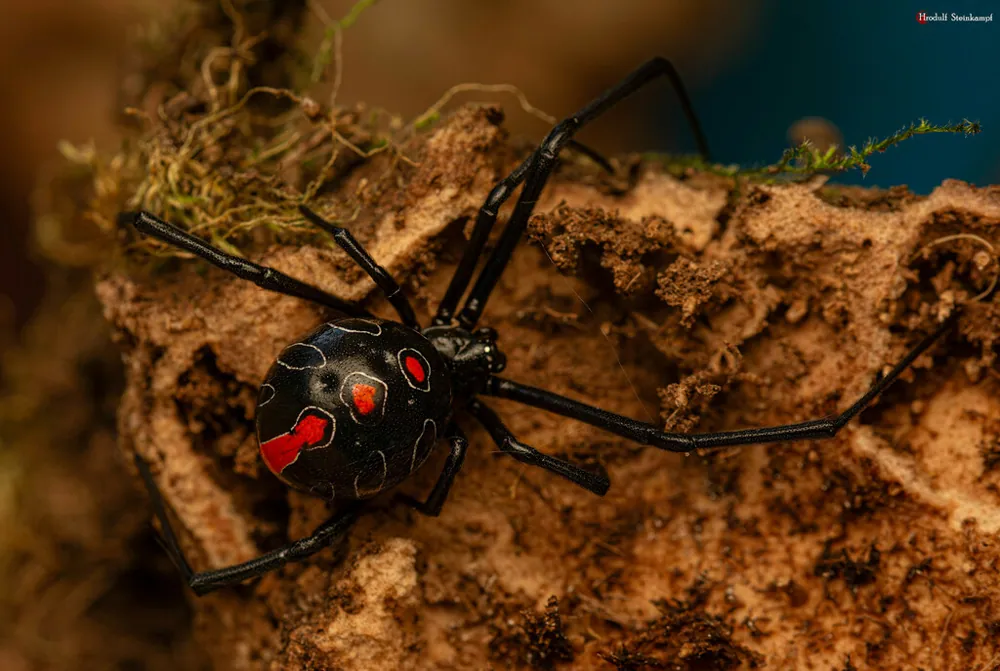
The Phinda button spider is a type of button, or widow, spider. It was formally described as a new species in 2019. It lives only in sand forests in northern Zululand, in South Africa's KwaZulu-Natal province, and is believed to be the largest member of its genus.1
 Maziviro ayo
- Females have red markings on both the top and underside of the abdomen, which no other African Latrodectus species has.1
- Males have white markings on the underside of the abdomen, which darken with age.1
- Egg sacs are large and smooth, bright purple when freshly laid, fading to shiny grey as they dry.1
- Webs are not usually found outside the tree hollow. When present, they are typical hackle webs spreading out from the hollow.1
Inowanzovhiringidzwa ne: Other African button spiders do not have the red markings on both the top and underside of the female abdomen, which is the main feature that sets this species apart.1
Simba reuturu
Uturu hunobuda nemeno ayo painoruma.
Ine ngozi yakadii kuvanhu?
Ngozi kuvanhu: InorwadzaInogona kurwadza chaizvo, asi kazhinji haisi njodzi huru. Kana ikaruma
- Geza parumwa woisa pakiti yechando kuderedza marwadzo. Wana rubatsiro rwechiremba kana marwadzo akanyanya, achipararira kana munhu asinganzwi zvakanaka.
Gara uchitanga wafonera nhamba yechimbichimbi (112, 000, 911). Iri izano rakajairika rerubatsiro rwekutanga, kwete zano rechiremba. Zvakakosha zverubatsiro rwekutanga
 Gara wakachengeteka
- Usambobata mhuka yesango, kuedza kuitora kana kuinetsa, kunyange iri diki, uye kunyange ichiita seyakarara kana yakafa.
- Ipa nzvimbo. Kana ukasangana nayo, dzikama, dzokera shure zvishoma nezvishoma uirege iende nenzira yayo.
- Kana imwe ikakuruma: dzikama, gara wakanyarara, fonera nhamba yechimbichimbi (112, 000, 911) kana kuti enda kuchipatara nokukurumidza. Rangarira kuti yaitaridzika sei, mufananidzo unobatsira.
Haisi kukutsvaga. Inoshandisa uturu hwayo kubata chikafu kana kuzvidzivirira, uye inotonyanya kuda kuhwanda. Zvimwe pamusoro pekugara wakachengeteka
Yakakura sei?
Yakareba zvakadii?
 inenge kureba sechibatanidzo chemapepa
Phinda button spider yakakura sei kana yaenzaniswa NEWE?
Masvomhu chete mubrowser yako. Hapana chinochengetwa kana kutumirwa kupi zvako.
Inomhanya zvakadii?


Chokwadi
It is believed to be the largest member of the button spider genus, Latrodectus.1
Its discovery was the first new addition to the genus in 28 years. Before this, 31 button or widow spiders were known, eight of them from Africa.1
Females nest in tree hollows and stumps higher above the ground than most other members of the genus.1
It was first found in 2014 in Tembe Elephant Park, but was only confirmed as a new species in 2019, after live specimens were collected from Phinda reserve.1
One female kept in a laboratory lived for two years until her natural death, and her offspring were also studied.1
Kwakabva chokwadi
- Latrodectus umbukwane (Wikipedia (CC BY-SA 4.0))
- Latrodectus umbukwane (iNaturalist): mazita nekurongwa kwemhuka.
- Venom Wiki: danho rengozi, saizi yakajairika nekufungidzira kwekumhanya ndezvedu. Ona kuti tinozviwana sei: Matinoyera ngozi.
Chokwadi chimwe nechimwe pane peji rino chine nhamba inoratidza kwachakabva. Kana takakanganisa, ruregerero, tiri vanoda mhuka, kwete magazini yesainzi. Tiudze pa[email protected] tichazvigadzirisa.
 Chinyavada chine nzara! Venom Wiki iprojekiti yemunhu mumwe: yemahara, isina kushambadza uye isina zvinokuteedzera. Chipo chidiki chinobatsira kuti irambe iri paindaneti.Fudza chinyavada
 Mediterranean black widow
 Six-eyed sand spider
 Brown widow
 Noble false widow
 Darwin's bark spider
 Wasp spider
 Black mamba
 Deathstalker
 Egyptian cobra
 Puff adder
 Boomslang
 Fat-tailed scorpion