
 Afrika
 Asia
Asia Yuropu
 Amerika yeKumaodzanyemba
 Australia neOceania
 Antarctica
 Gungwa rePacific
 Gungwa reAtlantic
 Gungwa reIndia
 Gungwa reArctic
 Gungwa reMediterranean
 Gungwa Dzvuku
 Gungwa reCaribbean
 Gungwa reCoral
 Gungwa reChina yeKumaodzanyemba
 Gungwa rePhilippines
 Gungwa reAndaman
 Gungwa reKuchamhembe
 Gungwa reTimor neArafura
 Gungwa reBengal
 Gulf yeCalifornia
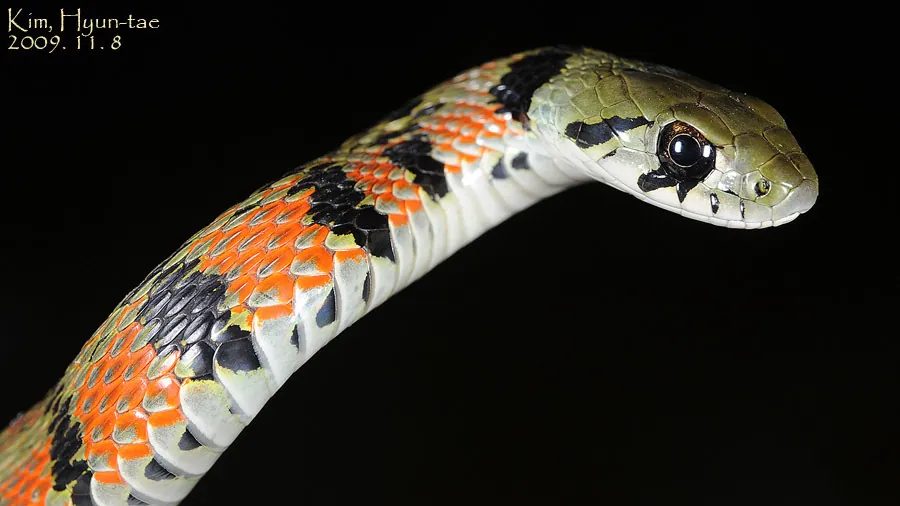
Tiger keelback
 Inoruma
The tiger keelback is a venomous snake with a striped olive-green and orange pattern. It lives across East Asia and Southeast Asia. Its venom is delivered by rear fangs, which sit at the back of the mouth, and it is rarely deadly to people.1

 Maziviro ayo
Simba reuturu
Uturu hunobuda nemeno ayo painoruma.
Ine ngozi yakadii kuvanhu?
Ngozi kuvanhu: Ine ngozi zvikuruInogona kuuraya munhu asina kurapwa.Although it is venomous, few deaths have been recorded from its bites. It rarely strikes, because it tends to flatten, lie still or flee instead, and its rear fangs make a strong bite on a large object difficult.1
Inoitei kana yatya?
At cooler temperatures it flattens its neck and body and lies still. At higher temperatures it is more likely to flee.1
 Kana ikaruma
- Geza parumwa, chengeta munhu akadzikama uye wana rubatsiro rwechiremba. Dzimwe mhando (dzakaita seboomslang) dzinogona kuuraya mushure memaawa.
Gara uchitanga wafonera nhamba yechimbichimbi (112, 000, 911). Iri izano rakajairika rerubatsiro rwekutanga, kwete zano rechiremba. Zvakakosha zverubatsiro rwekutanga
 Gara wakachengeteka
- Usambobata mhuka yesango, kuedza kuitora kana kuinetsa, kunyange iri diki, uye kunyange ichiita seyakarara kana yakafa.
- Ipa nzvimbo. Kana ukasangana nayo, dzikama, dzokera shure zvishoma nezvishoma uirege iende nenzira yayo.
- Kana imwe ikakuruma: dzikama, gara wakanyarara, fonera nhamba yechimbichimbi (112, 000, 911) kana kuti enda kuchipatara nokukurumidza. Rangarira kuti yaitaridzika sei, mufananidzo unobatsira.
Haisi kukutsvaga. Inoshandisa uturu hwayo kubata chikafu kana kuzvidzivirira, uye inotonyanya kuda kuhwanda. Zvimwe pamusoro pekugara wakachengeteka
Yakakura sei?
Yakareba zvakadii?
 yakareba sekatsi dzepamba 2 kubva pamhuno kusvika kumuswe
 yakareba semabhanana 6 akateedzana
 inogona kumhanya mamita 100 mumasekondi 69 (munhu anomhanyisa kupfuura vose anoda 9.6)
Tiger keelback yakakura sei kana yaenzaniswa NEWE?
Masvomhu chete mubrowser yako. Hapana chinochengetwa kana kutumirwa kupi zvako.
Inomhanya zvakadii?


Chokwadi
It stores toxic steroids in special glands on the back of its neck, taken from the toads it eats, and it is resistant to their effects.1
Females can pass the stored toad toxins to their offspring through the egg yolk and the egg membranes.1
Two rows of neck glands give it a chemical defence, a process called kleptotoxisism, meaning it steals toxins from its prey and uses them for its own protection.1
Its fangs are at the back of its mouth, which makes a strong strike on a large animal difficult.1
Kuputsa ngano
Ngano: Its venom is the source of its toxic defence.
Chokwadi: Its venom is made in glands in the mouth and is not known to contain the toad toxins. The defensive toxins come from glands in its neck.1
Kwakabva chokwadi
- Rhabdophis tigrinus (Wikipedia (CC BY-SA 4.0))
- Rhabdophis tigrinus (iNaturalist): mazita nekurongwa kwemhuka.
- Venom Wiki: danho rengozi, saizi yakajairika nekufungidzira kwekumhanya ndezvedu. Ona kuti tinozviwana sei: Matinoyera ngozi.
Chokwadi chimwe nechimwe pane peji rino chine nhamba inoratidza kwachakabva. Kana takakanganisa, ruregerero, tiri vanoda mhuka, kwete magazini yesainzi. Tiudze pa[email protected] tichazvigadzirisa.
 Chinyavada chine nzara! Venom Wiki iprojekiti yemunhu mumwe: yemahara, isina kushambadza uye isina zvinokuteedzera. Chipo chidiki chinobatsira kuti irambe iri paindaneti.Fudza chinyavada
Zvimwe kubva muboka rimwe chete: Nyoka dzine meno ekumashure
 Brown tree snakeNyoka dzine meno ekumashureInongorwadza
 Red-necked keelbackNyoka dzine meno ekumashureInoda chiremba
 Green cat snakeNyoka dzine meno ekumashureInongorwadza
 Mangrove snakeNyoka dzine meno ekumashureInongorwadza
 Asian vine snakeNyoka dzine meno ekumashureIsina ngozi
 Golden tree snakeNyoka dzine meno ekumashureIsina ngozi
 Deathstalker
 Indian cobra
 Indian saw-scaled viper
 King cobra
 Puff adder
 Bvumbi raRussell