
 Afrika
 Asia
Asia Yuropu
 Amerika yeKumaodzanyemba
 Australia neOceania
 Antarctica
 Gungwa rePacific
 Gungwa reAtlantic
 Gungwa reIndia
 Gungwa reArctic
 Gungwa reMediterranean
 Gungwa Dzvuku
 Gungwa reCaribbean
 Gungwa reCoral
 Gungwa reChina yeKumaodzanyemba
 Gungwa rePhilippines
 Gungwa reAndaman
 Gungwa reKuchamhembe
 Gungwa reTimor neArafura
 Gungwa reBengal
 Gulf yeCalifornia
Urutu
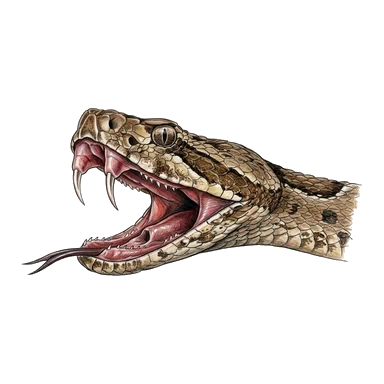 Inoruma
The urutu is a large, stout pit viper from South America. It is highly venomous and is an important cause of snakebites in the areas where it lives. Its body has a striking pattern of dark crescent-shaped markings.1
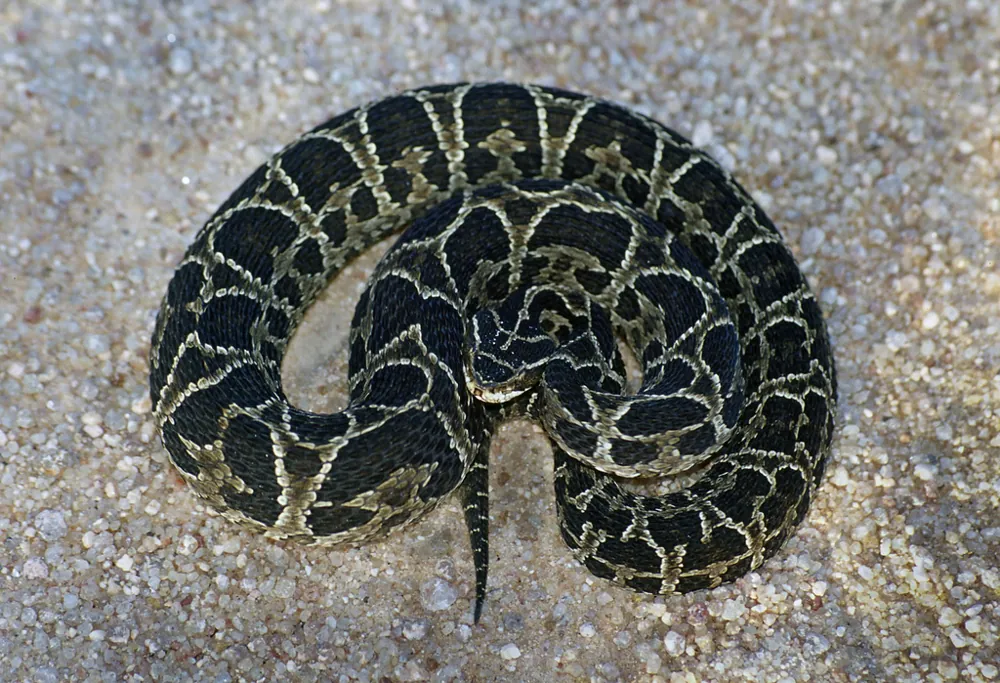
 Maziviro ayo
- Large and stout, most adults are 80 to 120 cm long.1
- The top of the head is usually chocolate brown to almost black, with tan to white markings.1
- The body has 22 to 28 dark brown to black markings, each bordered in cream or white. Some look like a cross, and some look like a headphone shape.1
- The pattern on the tail forms a zigzag.1
- A dark brown to black stripe runs along the underside from the neck to the tail tip.1
Simba reuturu
Uturu hunobuda nemeno ayo painoruma.
Uturu hwayo hunoitei?
The urutu is highly venomous. Its venom mainly contains phospholipase A2, snake venom metalloproteinases, snake venom serine proteases and C-type lectins. In one study of 32 patients, all had local pain and swelling, 97% had prolonged blood clotting, 41% had bleeding (usually from the gums), 32% had blistering and 9% had necrosis (death of tissue).1
Ine ngozi yakadii kuvanhu?
Ngozi kuvanhu: Ine ngozi zvikuruInogona kuuraya munhu asina kurapwa.Bites are an important cause of snakebite in its range and often cause severe local tissue damage, but they are rarely fatal. In a survey of 6,601 snakebite cases in Central and South America, 384 were attributed to this species, and 8 of those (2%) were fatal. Some bites have caused gangrene that required amputation, and in 2004 a 44-year-old woman died of a brain bleed after being bitten at home.1
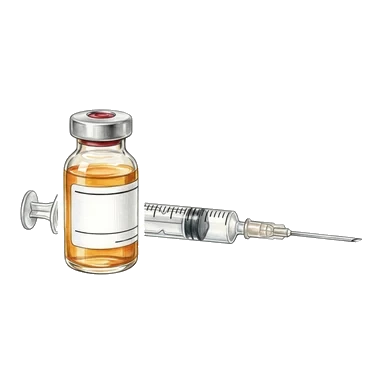 Mashoko akanaka: vanachiremba vane mushonga (antivenom) kana kurapwa kwechinhu ichi.1
 Kana ikaruma
- In one Brazilian hospital study, all 32 bitten patients were treated with specific antivenin (antivenom), and none of them died.1
- Chengeta munhu asingafambe uye akadzikama, chengeta nhengo yakarumwa yakaenzana nemwoyo, bvisa mhete nezvinhu zvakasunga, uende kuchipatara nokukurumidza.
Gara uchitanga wafonera nhamba yechimbichimbi (112, 000, 911). Iri izano rakajairika rerubatsiro rwekutanga, kwete zano rechiremba. Zvakakosha zverubatsiro rwekutanga
 Gara wakachengeteka
- Usambobata mhuka yesango, kuedza kuitora kana kuinetsa, kunyange iri diki, uye kunyange ichiita seyakarara kana yakafa.
- Ipa nzvimbo. Kana ukasangana nayo, dzikama, dzokera shure zvishoma nezvishoma uirege iende nenzira yayo.
- Kana imwe ikakuruma: dzikama, gara wakanyarara, fonera nhamba yechimbichimbi (112, 000, 911) kana kuti enda kuchipatara nokukurumidza. Rangarira kuti yaitaridzika sei, mufananidzo unobatsira.
Haisi kukutsvaga. Inoshandisa uturu hwayo kubata chikafu kana kuzvidzivirira, uye inotonyanya kuda kuhwanda. Zvimwe pamusoro pekugara wakachengeteka
Yakakura sei?
Yakareba zvakadii?
 yakareba sekatsi dzepamba 3 kubva pamhuno kusvika kumuswe
 yakareba semabhanana 9 akateedzana
 inogona kumhanya mamita 100 mumasekondi 95 (munhu anomhanyisa kupfuura vose anoda 9.6)
Urutu yakakura sei kana yaenzaniswa NEWE?
Masvomhu chete mubrowser yako. Hapana chinochengetwa kana kutumirwa kupi zvako.
Inomhanya zvakadii?


Chokwadi
Genome sequencing found 59 toxin genes from 16 toxin families.1
Its verified maximum length is 169 cm, although reports of over 2 m exist.1
Some unusual individuals have dark stripes running the full length of the body.1
In some specimens the pattern is so concentrated that the markings and the gaps between them are the same colour.1
Females are significantly longer and heavier than males.1
Kuputsa ngano
Ngano: The bite of this snake is almost always deadly.
Chokwadi: Bites are rarely fatal, although they often cause severe local tissue damage. In one survey, only 2% of cases attributed to this species were fatal.1
Kune nyanzvi dzeuturu
- Zita resainzi
- Bothrops alternatus
- Boka
- Mapit viper
- Mhuri
- Viperidae2
- Odha
- Squamata
- Makondinendi
- Amerika yeKumaodzanyemba
- Vacheche
- It gives birth to live young, with captive females producing 3 to 12 young and some females producing up to 24. The newborns look like adults but are more brightly coloured, and they can strike venomously from birth.1
- Ngozi kuvanhu
- 4 / 5: Ine ngozi zvikuru3
Kwakabva chokwadi
- Bothrops alternatus (Wikipedia (CC BY-SA 4.0))
- Bothrops alternatus (iNaturalist): mazita nekurongwa kwemhuka.
- Venom Wiki: danho rengozi, saizi yakajairika nekufungidzira kwekumhanya ndezvedu. Ona kuti tinozviwana sei: Matinoyera ngozi.
Chokwadi chimwe nechimwe pane peji rino chine nhamba inoratidza kwachakabva. Kana takakanganisa, ruregerero, tiri vanoda mhuka, kwete magazini yesainzi. Tiudze pa[email protected] tichazvigadzirisa.
 Chinyavada chine nzara! Venom Wiki iprojekiti yemunhu mumwe: yemahara, isina kushambadza uye isina zvinokuteedzera. Chipo chidiki chinobatsira kuti irambe iri paindaneti.Fudza chinyavada
Zvimwe kubva muboka rimwe chete: Mapit viper
 Terciopelo
 Eyelash viper
 Golden lancehead
 South American bushmaster
 Common lancehead
 Jararaca
Inogarawo mu: Amerika yeKumaodzanyemba
 Golden poison frogMatatya ane chepfu, matoad nemanewtInourayaUsabata
 Brazilian wandering spiderMadandemutandeInogona kuuraya
 Cane toadMatatya ane chepfu, matoad nemanewtInoda chirembaUsabata
 Peruvian giant centipedeMacentipedeInoda chiremba
 Bullet antMasvosveInongorwadza
 Common vampire batMhuka dzinoyamwisa dzine uturuInongorwadza