
 Afrika
 Asia
Asia Yuropu
 Amerika yeKumaodzanyemba
 Australia neOceania
 Antarctica
 Gungwa rePacific
 Gungwa reAtlantic
 Gungwa reIndia
 Gungwa reArctic
 Gungwa reMediterranean
 Gungwa Dzvuku
 Gungwa reCaribbean
 Gungwa reCoral
 Gungwa reChina yeKumaodzanyemba
 Gungwa rePhilippines
 Gungwa reAndaman
 Gungwa reKuchamhembe
 Gungwa reTimor neArafura
 Gungwa reBengal
 Gulf yeCalifornia
Cane toad
 Chepfu muganda rayoInodya: Zvishoma zvezvoseIne chepfu, haina uturu hwekuruma kana kubaya
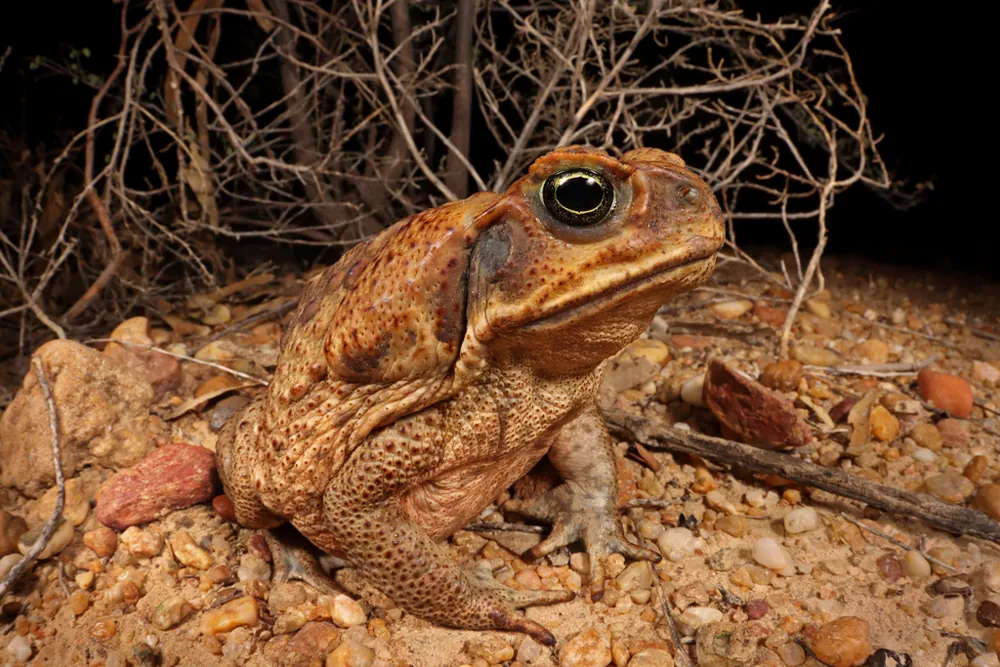
The cane toad is a large toad that is very poisonous to many animals. It is native to South and mainland Central America, but people have moved it to islands in Oceania and the Caribbean and to northern Australia. It matters because it spreads quickly and harms native wildlife and pets.1
 Maziviro ayo
- Very large, with adults usually 10 to 15 cm long1
- Dry, warty skin with distinct ridges above the eyes that run down the snout1
- A large parotoid gland (a swollen gland) behind each eye1
- Grey, yellowish, red-brown or olive-brown skin, often with patterns1
- Horizontal pupils and golden irises1
Inowanzovhiringidzwa ne: In Australia, adults can be confused with large native frogs, but these lack the large parotoid glands and the ridge between the nostril and eye. The giant burrowing frog has vertical pupils and silver-grey irises, while the cane toad has horizontal pupils and golden irises. In the United States, the southern toad has two bulbs in front of the parotoid glands.1
Simba rechepfu
Ganda rayo rine chepfu. Ine ngozi kubata, kunanzva kana kudya.
Chepfu yayo inoitei?
The toad's glands secrete a milky-white fluid called bufotoxin when it is threatened. Components of bufotoxin are toxic to many animals. In dogs, signs of poisoning include excessive drooling, extremely red gums, head-shaking, crying and loss of coordination.1
Ine ngozi yakadii kuvanhu?
Ngozi kuvanhu: YakakombaKana munhu akaibata kana kuidya, enda kuna chiremba. Kufa hakuwanzoitiki zvachose.The toxic skin can kill many wild and domestic animals. Dogs are especially at risk from licking or biting the toad. Human deaths have also been recorded after people ate cane toads.1
Inoitei kana yatya?
When threatened, it releases bufotoxin from its glands.1
 Kana munhu akaibata kana kuidya
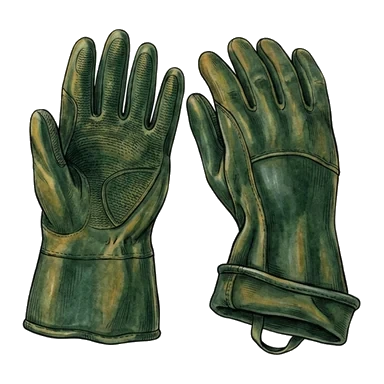
- Kana munhu akabata imwe: geza maoko zvakanaka uye usabata maziso kana muromo. Kana mwana kana chipfuwo chakananzva kana kudya imwe: fonera nzvimbo yeruzivo rwechepfu kana nhamba yechimbichimbi.
Gara uchitanga wafonera nhamba yechimbichimbi (112, 000, 911). Iri izano rakajairika rerubatsiro rwekutanga, kwete zano rechiremba. Zvakakosha zverubatsiro rwekutanga
 Gara wakachengeteka
- Usambobata mhuka yesango, kuedza kuitora kana kuinetsa, kunyange iri diki, uye kunyange ichiita seyakarara kana yakafa.
- Ipa nzvimbo. Kana ukasangana nayo, dzikama, dzokera shure zvishoma nezvishoma uirege iende nenzira yayo.
- Kana wakaibata kana kuidya: usakwesha maziso kana muromo wako, geza maoko ako uye wana rubatsiro rwechiremba.
Haisi kukutsvaga. Chepfu yayo iripo chete kuti pasava nechinhu chinoidya. Zvimwe pamusoro pekugara wakachengeteka
Yakakura sei?
Yakareba zvakadii?
 yakareba sezvidhinha zvematoyi 8 zvakateedzana
 inogona kumhanya mamita 100 mumasekondi 180 (munhu anomhanyisa kupfuura vose anoda 9.6)
Cane toad yakakura sei kana yaenzaniswa NEWE?
Masvomhu chete mubrowser yako. Hapana chinochengetwa kana kutumirwa kupi zvako.
Inomhanya zvakadii?


Chokwadi
Young toads lose the toxicity they had as eggs and tadpoles, and they only develop their poison glands later. Only an estimated 0.5% of cane toads reach adulthood.1
In Australia, tadpoles have evolved to be more likely to eat their siblings than tadpoles in South America.1
A female can lay thousands of eggs in one spawn, in strings up to 20 metres long.1
In the wild, cane toads can live 10 to 15 years, and one captive toad was reported to have lived 35 years.1
The cane toad is considered the largest species in the Bufonidae, the toad family.1
Cane toads eat both living and dead matter, which is unusual among frogs and toads.1
Kuputsa ngano
Ngano: The name 'marine toad' suggests that cane toads live in the sea.
Chokwadi: Cane toads do not live in the sea. The name came from a mistaken belief by an early naturalist.1
Kune nyanzvi dzeuturu
- Zita resainzi
- Rhinella marina
- Boka
- Matatya ane chepfu, matoad nemanewt
- Mhuri
- Bufonidae2
- Odha
- Anura
- Makondinendi
- Amerika yeKuchamhembe, Amerika yeKumaodzanyemba
- Vacheche
- A female lays 8,000 to 25,000 eggs at once, in long jelly strings that can stretch up to 20 metres.1
- Makore ekurarama
- kunenge makore 151
- Ngozi kuvanhu
- 3 / 5: Yakakomba3
Kwakabva chokwadi
- Cane toad (Wikipedia (CC BY-SA 4.0))
- Rhinella marina (iNaturalist): mazita nekurongwa kwemhuka.
- Venom Wiki: danho rengozi, saizi yakajairika nekufungidzira kwekumhanya ndezvedu. Ona kuti tinozviwana sei: Matinoyera ngozi.
Chokwadi chimwe nechimwe pane peji rino chine nhamba inoratidza kwachakabva. Kana takakanganisa, ruregerero, tiri vanoda mhuka, kwete magazini yesainzi. Tiudze pa[email protected] tichazvigadzirisa.
 Chinyavada chine nzara! Venom Wiki iprojekiti yemunhu mumwe: yemahara, isina kushambadza uye isina zvinokuteedzera. Chipo chidiki chinobatsira kuti irambe iri paindaneti.Fudza chinyavada
Zvimwe kubva muboka rimwe chete: Matatya ane chepfu, matoad nemanewt
 Golden poison frogMatatya ane chepfu, matoad nemanewtInourayaUsabata
 Dyeing poison dart frogMatatya ane chepfu, matoad nemanewtInongorwadzaUsabata
 Strawberry poison-dart frogMatatya ane chepfu, matoad nemanewtInongorwadzaUsabata
 Black-legged poison frogMatatya ane chepfu, matoad nemanewtInogona kuurayaUsabata
 California newtMatatya ane chepfu, matoad nemanewtInogona kuurayaUsabata
 Rough-skinned newtMatatya ane chepfu, matoad nemanewtInogona kuurayaUsabata
 Terciopelo
 Eastern coral snake
 Eastern diamondback rattlesnake
 Eyelash viper
 Timber rattlesnake
 Western diamondback rattlesnake