
 Afrika
 Asia
Asia Yuropa
 Amerika Borwa
 Australia le Oceania
 Antarctica
 Lewatle la Pacific
 Lewatle la Atlantic
 Lewatle la India
 Lewatle la Arctic
 Lewatle la Mediterranean
 Lewatle le Lefubedu
 Lewatle la Caribbean
 Lewatle la Coral
 Lewatle la China Borwa
 Lewatle la Philippine
 Lewatle la Andaman
 Lewatle la Leboya
 Lewatle la Timor le Arafura
 Kgwohlo ya Bengal
 Kgwohlo ya California
Berg adder
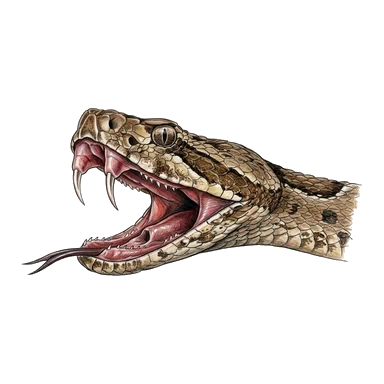 Ho loma
The berg adder is a viper that lives only in the mountains of southern Africa. It is found in scattered groups, from South Africa up to Mozambique. Its venom mainly attacks the nerves, which sets it apart from most of its close relatives.1
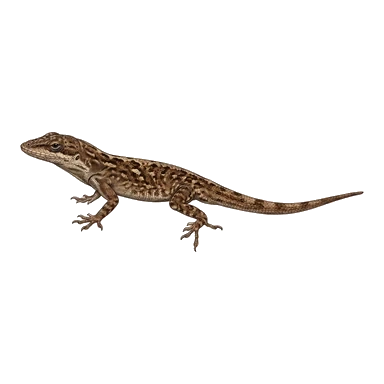
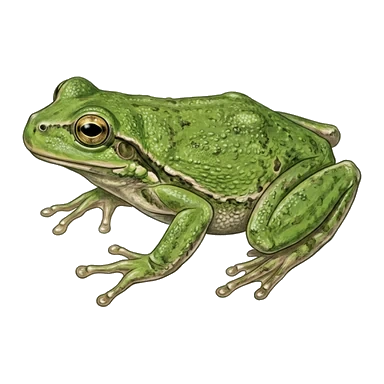
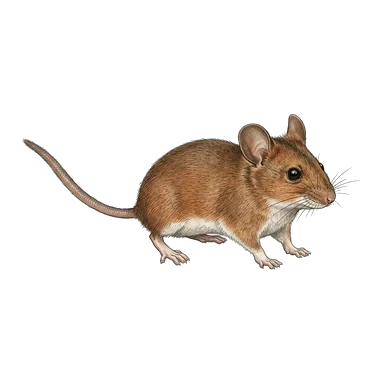
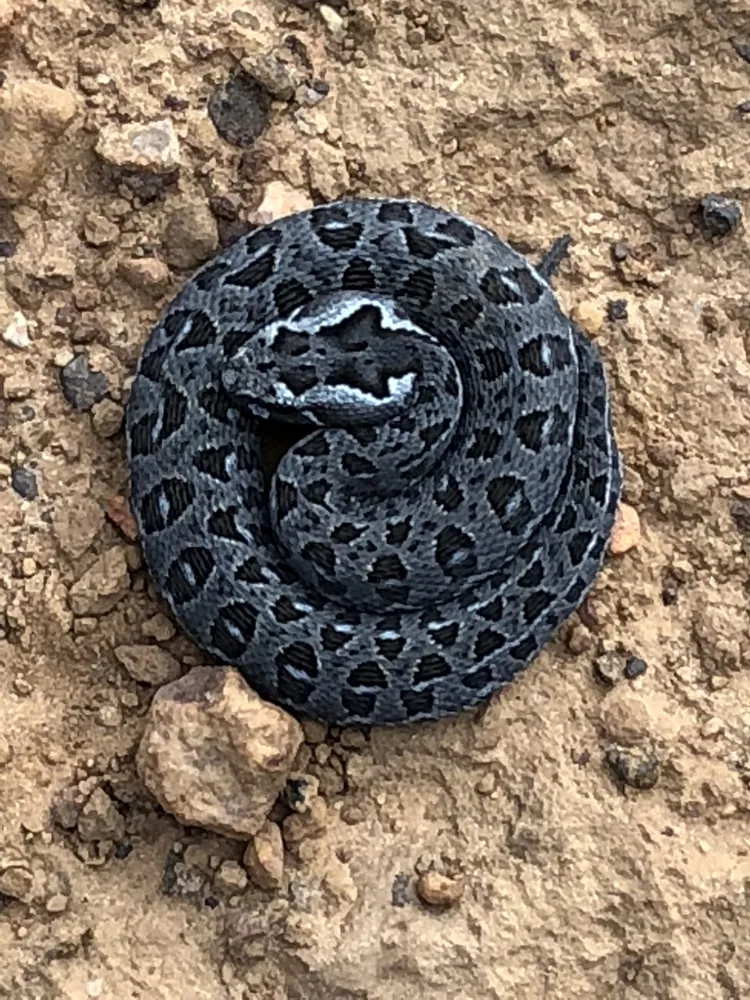
 Ho e tseba jwang
Matla a chefo
Chefo e tswa ka meno a yona a chefo (fangs) kapa ka meno a mang ha e loma.
Chefo ya yona (eo e e kenyang ka ho loma kapa ho hlaba) e etsang?
Its venom is mainly neurotoxic, meaning it attacks the nerves. Necrosis (tissue death) or infection seldom follows a bite. Symptoms can start quickly and have been compared to alcohol intoxication, and they are not usually permanent. Possible signs include loss of smell or taste, drooping eyelids and loss of vision.1
E kotsi hakae ho batho?
Kotsi ho batho: E tebilengHo longwa ho hloka ngaka. Lefu le etsahala ka seoelo haholo.The venom is not strong enough for a single bite to kill an adult human, and no human deaths have been recorded. However, bites can be troublesome, and their effects sometimes last for days or even weeks.1
E etsang ha e tshohile?
When disturbed, it hisses violently and twists its body convulsively.1
 Haeba e loma
- Antivenom does not seem to help people bitten by this snake, so treatment should focus on relieving the symptoms.1
- Boloka motho a sa sisinyehe ebile a kgutsitse, boloka setho se lomilweng se lekana le bophahamo ba pelo, tlosa mesale le dintho tse tiileng, mme o mo ise sepetlele kapele.
Kamehla letsetsa nomoro ya tshohanyetso pele (112, 000, 911). Ena ke tataiso e akaretsang ya thuso ya pele, hase keletso ya bongaka. Metheo ya thuso ya pele
 Dula o bolokehile
- O se ke wa ama, wa tshwara kapa wa tena phoofolo ya naheng, leha e le e nyenyane, le leha e shebahala e robetse kapa e shwele.
- E fe sebaka. Ha o kopana le yona, dula o kgutsitse, kgutlela morao butle mme o e tlohele e tsamaye ka tsela ya yona.
- Haeba e nngwe e o loma: dula o kgutsitse, o se ke wa sisinyeha, letsetsa nomoro ya tshohanyetso (112, 000, 911) kapa o ye sepetlele kapele. Hopola hore e ne e shebahala jwang, foto e a thusa.
Ha e o batle. E sebedisa chefo ya yona ho tshwara dijo kapa ho itshireletsa, mme e kgetha ho ipata. Ho eketsehileng ka ho dula o bolokehile
Hokae lefatsheng?
E kgolo hakae?
E telele hakae?
 e telele jwaloka dibanana tse 3 tse latellanang
 e telele jwaloka diboloko tsa ho bapala tse 16 moleng
 e ka matha metara e 100 ka metsotswana e 110 (motho ya potlakang ka ho fetisisa o hloka 9,6)
Berg adder e kgolo hakae ha e bapiswa le WENA?
Ke dipalo feela ka hara sebatli sa hao. Ha ho letho le bolokwang kapa le romelwang kae kapa kae.
E potlaka hakae?


Dintlha
Unlike most Bitis species, its venom is mainly neurotoxic, so the bite rarely causes tissue death.1
Its scientific name comes from Atropos, the Greek goddess who cut the thread of life.1
In the north of its range it lives at elevations of up to 3,000 m, but in eastern Zimbabwe it is not found below 1,500 m.1
A newborn is about 13 cm long, which is roughly a third of the length of an adult.1
Bakeng sa ditsebi tsa chefo
Moo dintlha di tswang teng
- Berg adder (Wikipedia (CC BY-SA 4.0))
- Bitis atropos (iNaturalist): mabitso le tlhophiso.
- Venom Wiki: boemo ba kotsi, boholo bo tlwaelehileng le kakanyo ya lebelo ke tsa rona. Bona kamoo re di balang ka teng: Kamoo re lekanyang kotsi ka teng.
Taba e nngwe le e nngwe leqepheng lena e na le nomoro e bontshang mohlodi wa yona. Haeba re entse phoso, re kopa tshwarelo, re barati ba diphoofolo, hase makasine wa saense. Re bolelle ho [email protected] mme re tla e lokisa.
 Phepheng e lapile! Venom Wiki ke projeke ya motho a le mong: ke mahala, ha e na dipapatso ebile ha e na di-tracker. Thuso e nyenyane ya tjhelete e e boloka e ntse e le inthaneteng.Fepa phepheng
Tse ding tsa sehlopha se le seng: Di-viper le di-adder
 Puff adderDi-viper le di-adderE a bolaya
 Gaboon viperDi-viper le di-adderE ka bolaya
 Northeast African carpet viperDi-viper le di-adderE a bolaya
 West African carpet viperDi-viper le di-adderE a bolaya
 Rhinoceros viperDi-viper le di-adderE ka bolaya
 West African Gaboon viperDi-viper le di-adderE ka bolaya
 Black mamba
 Deathstalker
 Egyptian cobra
 Boomslang
 Fat-tailed scorpion
 Western honey bee