
 Afrika
 Asia
Asia Yuropa
 Amerika Borwa
 Australia le Oceania
 Antarctica
 Lewatle la Pacific
 Lewatle la Atlantic
 Lewatle la India
 Lewatle la Arctic
 Lewatle la Mediterranean
 Lewatle le Lefubedu
 Lewatle la Caribbean
 Lewatle la Coral
 Lewatle la China Borwa
 Lewatle la Philippine
 Lewatle la Andaman
 Lewatle la Leboya
 Lewatle la Timor le Arafura
 Kgwohlo ya Bengal
 Kgwohlo ya California
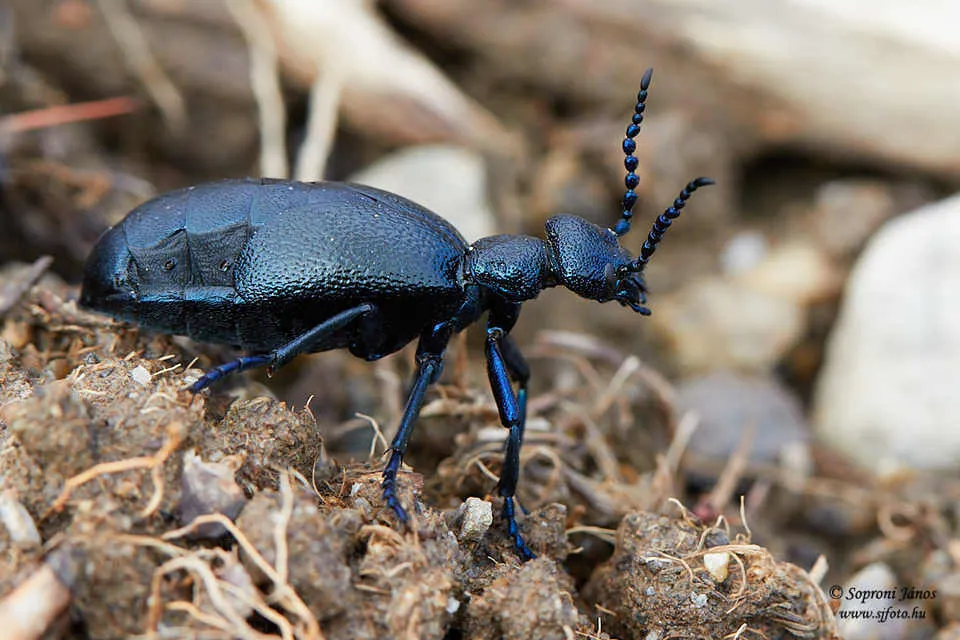
Black oil beetle
 Chefo letlalong la yona
The black oil beetle is a European beetle with an unusual life. It lives in meadows, field edges and other warm places in most of the continent, except the far north. Its young get a ride to a bee's nest, where they feed on the bee's eggs and food stores.1



 Ho e tseba jwang
Matla a chefo
Letlalo la yona le a chefa. Ho kotsi ho e ama, ho e nyeka kapa ho e ja.
E kotsi hakae ho batho?
Kotsi ho batho: E bohlokoE ka utlwisa bohloko haholo, empa hoo e batlang e le kamehla ha e kotsi haholo. Haeba motho a e amme kapa a e jele
- Haeba motho a e jele kapa a na le matshwao ka mora ho e ja: letsetsa nomoro ya tshohanyetso kapa setsi sa chefo (poison centre) hang-hang.
Kamehla letsetsa nomoro ya tshohanyetso pele (112, 000, 911). Ena ke tataiso e akaretsang ya thuso ya pele, hase keletso ya bongaka. Metheo ya thuso ya pele
 Dula o bolokehile
- O se ke wa ama, wa tshwara kapa wa tena phoofolo ya naheng, leha e le e nyenyane, le leha e shebahala e robetse kapa e shwele.
- E fe sebaka. Ha o kopana le yona, dula o kgutsitse, kgutlela morao butle mme o e tlohele e tsamaye ka tsela ya yona.
- Haeba o e amme kapa o e jele: o se ke wa hohla mahlo kapa molomo, hlatswa matsoho mme o fumane thuso ya bongaka.
Ha e o batle. Chefo ya yona e teng feela hore ho se be le letho le e jang. Ho eketsehileng ka ho dula o bolokehile
Hokae lefatsheng?
E kgolo hakae?
E telele hakae?
 e telele jwaloka klipi ya pampiri
Black oil beetle e kgolo hakae ha e bapiswa le WENA?
Ke dipalo feela ka hara sebatli sa hao. Ha ho letho le bolokwang kapa le romelwang kae kapa kae.
E potlaka hakae?


Dintlha
The larvae can attract bees without a flower by producing a flowery scent, even when they are outside a flower.1
The larvae use well-developed claws to attach themselves to a visiting bee and travel back to its nest.1
Inside the bee's nest, the larva eats the bee's eggs and the pollen and nectar the bee has stored.1
The author Gerald Durrell describes this beetle's life cycle in detail in his autobiographical book My Family and Other Animals.1
After it leaves the bee's nest as an adult, it seeks a mate straight away.1
Bakeng sa ditsebi tsa chefo
- Lebitso la saense
- Meloe proscarabaeus
- Sehlopha
- Diphoofolo tse ding tse chefang
- Lelapa
- Meloidae2
- Tatelano
- Coleoptera
- Dikontinente
- Yuropa, Asia
- Masea
- Females lay eggs in the soil. The larvae hatch and climb into a flower to wait for solitary bees. After feeding in the bee's nest, the larva pupates there and leaves to seek a mate.1
- Kotsi ho batho
- 2 / 5: E bohloko3
Moo dintlha di tswang teng
- Meloe proscarabaeus (Wikipedia (CC BY-SA 4.0))
- Meloe proscarabaeus (iNaturalist): mabitso le tlhophiso.
- Venom Wiki: boemo ba kotsi, boholo bo tlwaelehileng le kakanyo ya lebelo ke tsa rona. Bona kamoo re di balang ka teng: Kamoo re lekanyang kotsi ka teng.
Taba e nngwe le e nngwe leqepheng lena e na le nomoro e bontshang mohlodi wa yona. Haeba re entse phoso, re kopa tshwarelo, re barati ba diphoofolo, hase makasine wa saense. Re bolelle ho [email protected] mme re tla e lokisa.
 Phepheng e lapile! Venom Wiki ke projeke ya motho a le mong: ke mahala, ha e na dipapatso ebile ha e na di-tracker. Thuso e nyenyane ya tjhelete e e boloka e ntse e le inthaneteng.Fepa phepheng
Tse ding tsa sehlopha se le seng: Diphoofolo tse ding tse chefang
 Spanish flyDiphoofolo tse ding tse chefangE hloka ngakaO se ke wa ama
 Green spotted pufferDiphoofolo tse ding tse chefangE hloka ngaka
 Common quailDiphoofolo tse ding tse chefangE utlwisa bohloko feela
 Cinnabar mothDiphoofolo tse ding tse chefangHa e na kotsi
 Red-striped oil beetleDiphoofolo tse ding tse chefangE utlwisa bohloko feelaO se ke wa ama
 Six-spot burnetDiphoofolo tse ding tse chefangHa e na kotsi
E boetse e phela: Yuropa
 Common European adderDi-viper le di-adderE hloka ngaka
 Common waspDinotshi, di-wasp le di-hornetE utlwisa bohloko feela
 European hornetDinotshi, di-wasp le di-hornetE utlwisa bohloko feela
 Fire salamanderDihoho tse chefang, mampotsana le di-newtE utlwisa bohloko feelaO se ke wa ama
 Western honey beeDinotshi, di-wasp le di-hornetE utlwisa bohloko feela
 Blunt-nosed viperDi-viper le di-adderE ka bolaya