
 Afrika
 Asia
Asia Yuropa
 Amerika Borwa
 Australia le Oceania
 Antarctica
 Lewatle la Pacific
 Lewatle la Atlantic
 Lewatle la India
 Lewatle la Arctic
 Lewatle la Mediterranean
 Lewatle le Lefubedu
 Lewatle la Caribbean
 Lewatle la Coral
 Lewatle la China Borwa
 Lewatle la Philippine
 Lewatle la Andaman
 Lewatle la Leboya
 Lewatle la Timor le Arafura
 Kgwohlo ya Bengal
 Kgwohlo ya California
Common krait
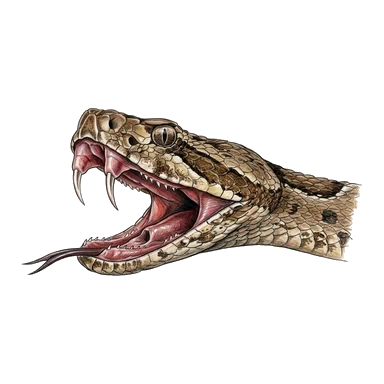 Ho loma
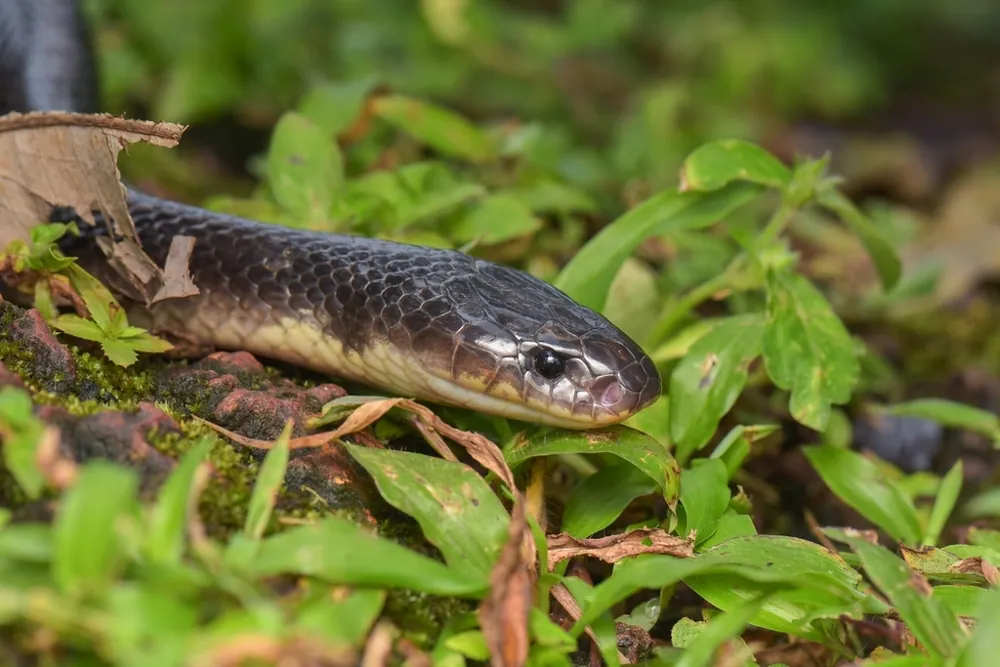
The common krait is a highly venomous snake that lives across South Asia. It is shiny black or bluish-black with thin white crossbands. It causes more medically significant snakebites in the Indian subcontinent than any other snake, so knowing what it looks like matters.1
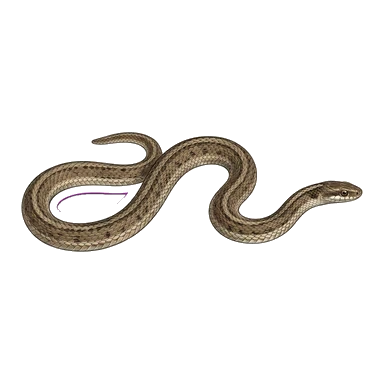
 Ho e tseba jwang
- Body is generally black or bluish-black.1
- About 40 thin, white crossbars run along the body. They may be faint or missing near the head in adults.1
- Young snakes have clear, well-defined crossbands, even near the head.1
- Older snakes may show the white lines as a series of connected spots.1
- The head is flat, the neck is hardly visible, and the tail is short and rounded.1
Matla a chefo
Chefo e tswa ka meno a yona a chefo (fangs) kapa ka meno a mang ha e loma.
Chefo ya yona (eo e e kenyang ka ho loma kapa ho hlaba) e etsang?
Its venom is neurotoxic, meaning it attacks the nerves. It blocks signals between nerves and muscles, which leads to progressive paralysis. Victims often have severe abdominal cramps and shortness of breath. Death from respiratory failure, meaning the breathing muscles stop working, may follow in about 4 to 8 hours if untreated.1
E kotsi hakae ho batho?
Kotsi ho batho: E a bolayaE nngwe ya diphoofolo tse kotsi ka ho fetisisa lefatsheng.It is responsible for the majority of medically significant snakebites in the Indian subcontinent. A clinical toxicology study reports an untreated mortality rate of 70 to 80 per cent. Bites often happen at night, when people are sleeping on the ground. The bite may cause little or no pain, which can delay treatment.1
 Ditaba tse monate: dingaka di na le moriana (antivenom) kapa kalafo bakeng sa sena.1
E etsang ha e tshohile?
When threatened, it coils tightly with its head tucked underneath, may flatten its body, or makes sudden movements as a warning. It rarely bites unless provoked, but it can be more aggressive at night if disturbed.1
 Haeba e loma
- The main treatment is antivenom given in hospital. It should be given promptly, because it becomes less effective once paralysis has set in. Get medical help straight away after any suspected bite, even if there is little pain or swelling.1
- Boloka motho a sa sisinyehe ebile a kgutsitse, tlosa mesale le dintho tse tiileng, mme o mo ise sepetlele kapele: antivenom ke yona kalafo.
Kamehla letsetsa nomoro ya tshohanyetso pele (112, 000, 911). Ena ke tataiso e akaretsang ya thuso ya pele, hase keletso ya bongaka. Metheo ya thuso ya pele
 Dula o bolokehile
- O se ke wa ama, wa tshwara kapa wa tena phoofolo ya naheng, leha e le e nyenyane, le leha e shebahala e robetse kapa e shwele.
- E fe sebaka. Ha o kopana le yona, dula o kgutsitse, kgutlela morao butle mme o e tlohele e tsamaye ka tsela ya yona.
- Haeba e nngwe e o loma: dula o kgutsitse, o se ke wa sisinyeha, letsetsa nomoro ya tshohanyetso (112, 000, 911) kapa o ye sepetlele kapele. Hopola hore e ne e shebahala jwang, foto e a thusa.
Ha e o batle. E sebedisa chefo ya yona ho tshwara dijo kapa ho itshireletsa, mme e kgetha ho ipata. Ho eketsehileng ka ho dula o bolokehile
Hokae lefatsheng?
E kgolo hakae?
E telele hakae?
 e telele jwaloka dikatse tsa lapeng tse 4 ho tloha nkong ho isa mohatleng
 e telele jwaloka dibanana tse 10 tse latellanang
 e ka matha metara e 100 ka metsotswana e 52 (motho ya potlakang ka ho fetisisa o hloka 9,6)
Common krait e kgolo hakae ha e bapiswa le WENA?
Ke dipalo feela ka hara sebatli sa hao. Ha ho letho le bolokwang kapa le romelwang kae kapa kae.
E potlaka hakae?


Dintlha
A bite from this snake often causes little or no pain and almost no swelling or bleeding, which can make it hard to find the bite mark.1
Its venom is one of the most potent of any Indian snake, and the estimated lethal dose for a human is 2 to 3 mg.1
Its venom contains no clotting or tissue-destroying agents, which is why there is no local damage at the bite site.1
Neostigmine, a drug that works against cobra venom, does not work against common krait venom.1
It is mostly active at night and rarely meets people during the day.1
Its stable population has been helped by its ability to adapt to farmland and villages.1
Ho senya ditshomo
Tshomo: A bite that does not hurt is harmless.
Nnete: The bite often causes little pain, but severe paralysis and breathing failure can follow. The lack of pain can give false reassurance.1
Bakeng sa ditsebi tsa chefo
- Lebitso la saense
- Bungarus caeruleus
- Sehlopha
- Di-cobra, di-mamba le di-krait
- Lelapa
- Elapidae2
- Tatelano
- Squamata
- Dikontinente
- Asia
- Masea
- It lays 5 to 15 eggs in leaf litter or burrows. The female guards the eggs until they hatch after about 60 days. Hatchlings are fully independent and already carry venom.1
- Kotsi ho batho
- 5 / 5: E a bolaya3
Moo dintlha di tswang teng
- Common krait (Wikipedia (CC BY-SA 4.0))
- Bungarus caeruleus (iNaturalist): mabitso le tlhophiso.
- Venom Wiki: boemo ba kotsi, boholo bo tlwaelehileng le kakanyo ya lebelo ke tsa rona. Bona kamoo re di balang ka teng: Kamoo re lekanyang kotsi ka teng.
Taba e nngwe le e nngwe leqepheng lena e na le nomoro e bontshang mohlodi wa yona. Haeba re entse phoso, re kopa tshwarelo, re barati ba diphoofolo, hase makasine wa saense. Re bolelle ho [email protected] mme re tla e lokisa.
 Phepheng e lapile! Venom Wiki ke projeke ya motho a le mong: ke mahala, ha e na dipapatso ebile ha e na di-tracker. Thuso e nyenyane ya tjhelete e e boloka e ntse e le inthaneteng.Fepa phepheng
Tse ding tsa sehlopha se le seng: Di-cobra, di-mamba le di-krait
 Indian cobraDi-cobra, di-mamba le di-kraitE a bolaya
 King cobraDi-cobra, di-mamba le di-kraitE a bolaya
 Caspian cobraDi-cobra, di-mamba le di-kraitE a bolaya
 Malayan kraitDi-cobra, di-mamba le di-kraitE a bolaya
 Many-banded kraitDi-cobra, di-mamba le di-kraitE a bolaya
 Monocled cobraDi-cobra, di-mamba le di-kraitE a bolaya
 Deathstalker
 Indian saw-scaled viper
 Puff adder
 Noha ea Russell
 Asian giant hornet
 Komodo dragon