
 Afrika
 Asia
Asia Yuropa
 Amerika Borwa
 Australia le Oceania
 Antarctica
 Lewatle la Pacific
 Lewatle la Atlantic
 Lewatle la India
 Lewatle la Arctic
 Lewatle la Mediterranean
 Lewatle le Lefubedu
 Lewatle la Caribbean
 Lewatle la Coral
 Lewatle la China Borwa
 Lewatle la Philippine
 Lewatle la Andaman
 Lewatle la Leboya
 Lewatle la Timor le Arafura
 Kgwohlo ya Bengal
 Kgwohlo ya California
Redback spider
 Ho loma
The redback spider is a highly venomous spider. It is thought to come from Australia, but it now also lives in Southeast Asia, Japan and New Zealand. It often lives close to people, in warm, sheltered places in and around homes, so it matters a great deal for safety.1
 Ho e tseba jwang
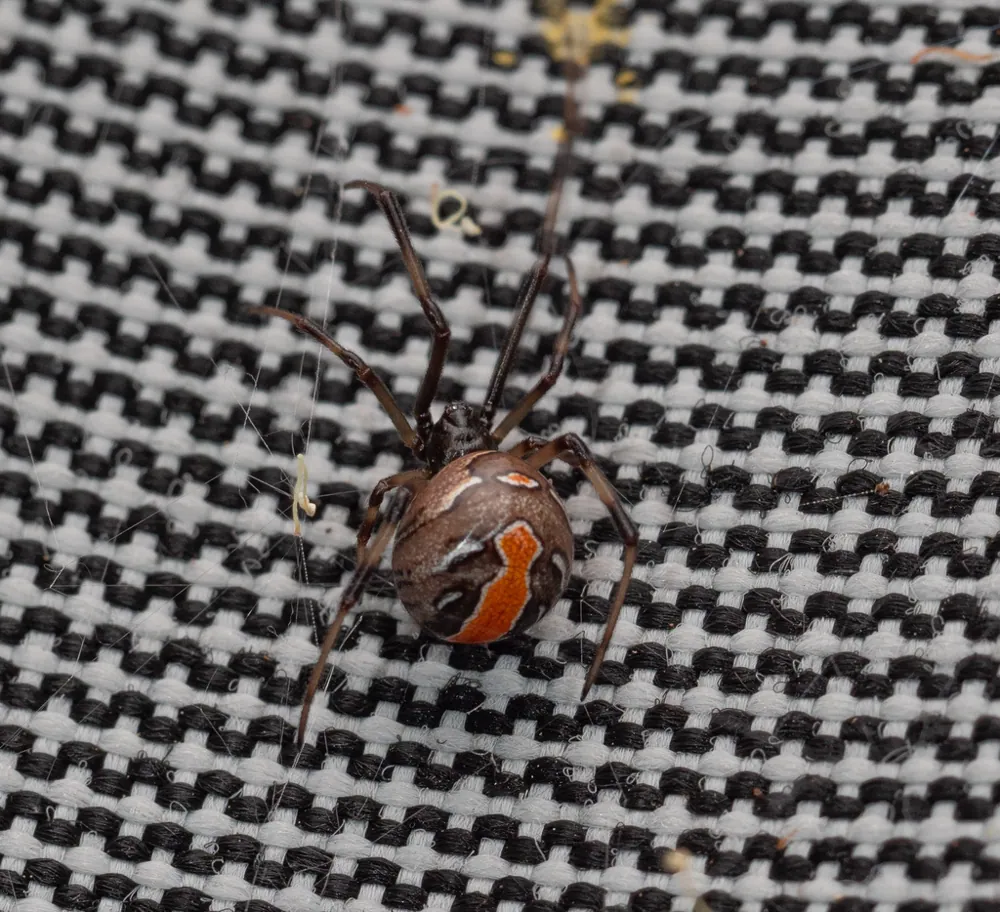
- The adult female has a round, shiny black body with a red stripe on the top of the abdomen.1
- Underneath, she has an hourglass-shaped red or orange streak.1
- The female's body is about 1 cm long, with slender legs.1
- The male is much smaller, 3 to 4 mm long, light brown with white markings on the upper abdomen and a pale hourglass marking underneath.1
- Its web is an irregular, untidy tangle of strong silk, usually in a warm, sheltered spot.1
Hangata e ferekanngwa le: The false redback spider (Steatoda capensis) has a similar build but is uniformly black or plum-coloured, and it has no red stripe on its abdomen.1
Matla a chefo
Chefo e tswa ka meno a yona a chefo (fangs) kapa ka meno a mang ha e loma.
Chefo ya yona (eo e e kenyang ka ho loma kapa ho hlaba) e etsang?
The venom is neurotoxic to vertebrates, meaning it attacks the nerves, and it causes a condition called latrodectism. Pain starts around the bite and typically becomes severe, spreading up the bitten limb and lasting for over 24 hours. Localised sweating in patches of skin is highly indicative of latrodectism, and nausea, vomiting, headache and agitation may indicate severe envenomation.1
E kotsi hakae ho batho?
Kotsi ho batho: E tebilengHo longwa ho hloka ngaka. Lefu le etsahala ka seoelo haholo.The redback is one of the few spider species that can seriously harm humans. Because it often lives in buildings, it is responsible for a large number of serious spider bites in Australia.1
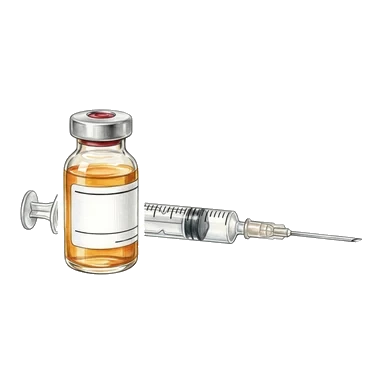 Ditaba tse monate: dingaka di na le moriana (antivenom) kapa kalafo bakeng sa sena.1
E etsang ha e tshohile?
Its bright scarlet markings may serve as a warning to potential predators.1
 Haeba e loma
- Hlatswa moo e lomileng teng mme o bee pakete ya leqhwa hodima teng bakeng sa bohloko. Fumana thuso ya bongaka haeba bohloko bo le matla, bo phatlalla kapa motho a ikutlwa a kula.
Kamehla letsetsa nomoro ya tshohanyetso pele (112, 000, 911). Ena ke tataiso e akaretsang ya thuso ya pele, hase keletso ya bongaka. Metheo ya thuso ya pele
 Dula o bolokehile
- O se ke wa ama, wa tshwara kapa wa tena phoofolo ya naheng, leha e le e nyenyane, le leha e shebahala e robetse kapa e shwele.
- E fe sebaka. Ha o kopana le yona, dula o kgutsitse, kgutlela morao butle mme o e tlohele e tsamaye ka tsela ya yona.
- Haeba e nngwe e o loma: dula o kgutsitse, o se ke wa sisinyeha, letsetsa nomoro ya tshohanyetso (112, 000, 911) kapa o ye sepetlele kapele. Hopola hore e ne e shebahala jwang, foto e a thusa.
Ha e o batle. E sebedisa chefo ya yona ho tshwara dijo kapa ho itshireletsa, mme e kgetha ho ipata. Ho eketsehileng ka ho dula o bolokehile
Hokae lefatsheng?
E kgolo hakae?
E telele hakae?
 e nyenyane hoo e ka dulang lenalong la hao
Redback spider e kgolo hakae ha e bapiswa le WENA?
Ke dipalo feela ka hara sebatli sa hao. Ha ho letho le bolokwang kapa le romelwang kae kapa kae.
E potlaka hakae?


Dintlha
A male redback can successfully mate with a female katipō, a related New Zealand spider, producing hybrid offspring.1
Males often mate with a female who may then eat them, a behaviour called sexual cannibalism that many arachnids show while mating.1
In laboratory tests, redbacks survived an average of 100 days, and sometimes over 300 days, without food.1
After mating, a female can store sperm for up to two years and use it to fertilise several clutches of eggs.1
Spiderlings and larger females steal food from other spiders' webs, and spiderlings sometimes eat their less active siblings.1
Bakeng sa ditsebi tsa chefo
- Lebitso la saense
- Latrodectus hasselti
- Sehlopha
- Dikgo
- Lelapa
- Theridiidae2
- Tatelano
- Araneae
- Dikontinente
- Australia le Oceania
- Masea
- Each clutch averages 250 eggs, housed in a round white silken egg sac. Spiderlings hatch after about 8 days, though cooler temperatures can greatly slow this.1
- Nako ya bophelo
- e ka bang dilemo tse 31
- Kotsi ho batho
- 3 / 5: E tebileng3
Moo dintlha di tswang teng
- Redback spider (Wikipedia (CC BY-SA 4.0))
- Latrodectus hasselti (iNaturalist): mabitso le tlhophiso.
- Venom Wiki: boemo ba kotsi, boholo bo tlwaelehileng le kakanyo ya lebelo ke tsa rona. Bona kamoo re di balang ka teng: Kamoo re lekanyang kotsi ka teng.
Taba e nngwe le e nngwe leqepheng lena e na le nomoro e bontshang mohlodi wa yona. Haeba re entse phoso, re kopa tshwarelo, re barati ba diphoofolo, hase makasine wa saense. Re bolelle ho [email protected] mme re tla e lokisa.
 Phepheng e lapile! Venom Wiki ke projeke ya motho a le mong: ke mahala, ha e na dipapatso ebile ha e na di-tracker. Thuso e nyenyane ya tjhelete e e boloka e ntse e le inthaneteng.Fepa phepheng
Tse ding tsa sehlopha se le seng: Dikgo
 Katipo
 White-tailed spider
 Peacock spider
 Badge huntsman spider
 Black house spider
 Eastern white-tailed spider
E boetse e phela: Australia le Oceania
 Coastal taipanDinoha tsa AustraliaE a bolaya
 Common death adderDinoha tsa AustraliaE a bolaya
 Eastern brown snakeDinoha tsa AustraliaE a bolaya
 Taipan ya naheng e kahareDinoha tsa AustraliaE a bolaya
 Sydney funnel-web spiderDi-tarantula le di-funnel-webE a bolaya
 Noha ya tigerDinoha tsa AustraliaE a bolaya