
 แอฟริกา
 เอเชีย
 ยุโรป
ยุโรป อเมริกาใต้
 ออสเตรเลียและโอเชียเนีย
 แอนตาร์กติกา
 มหาสมุทรแปซิฟิก
 มหาสมุทรแอตแลนติก
 มหาสมุทรอินเดีย
 มหาสมุทรอาร์กติก
 ทะเลเมดิเตอร์เรเนียน
 ทะเลแดง
 ทะเลแคริบเบียน
 ทะเลคอรัล
 ทะเลจีนใต้
 ทะเลฟิลิปปิน
 ทะเลอันดามัน
 ทะเลเหนือ
 ทะเลติมอร์และอาราฟูรา
 อ่าวเบงกอล
 อ่าวแคลิฟอร์เนีย
Blue-capped ifrit
 พิษอยู่ในผิว
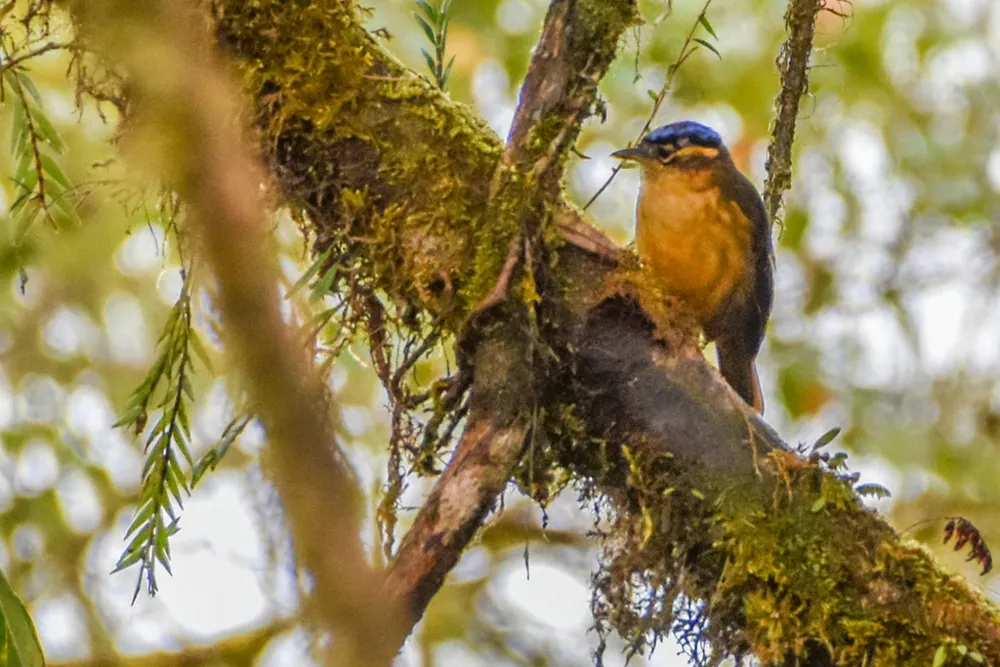
The blue-capped ifrit is a small forest bird with a bright blue cap on its head. It lives only in the high, wet forests of New Guinea. It matters because its feathers and skin carry a strong poison that the bird picks up from its food.1
 วิธีสังเกต
- Brown upperparts with finely dotted wing edges, and light-yellow underparts1
- A bright blue cap outlined in black, with a small black spot on the crown1
- A long white stripe beside the eye, with a thin black line inside it, and a narrow white ring around the eye1
- A stout body with a broad chest, short rounded wings and feathered legs1
- Males have whiter ear streaks and more vivid head and neck colours than females1
พลังพิษ
ผิวของมันมีพิษ จับ เลีย หรือกินล้วนอันตราย
พิษของมันทำอะไร?
This bird is poisonous rather than venomous, because it does not bite or sting. Its feathers and skin contain batrachotoxin (BTX), a neurotoxin, which is a poison that attacks the nerves. BTX holds open the sodium channels in muscle and nerve cells, which can cause muscle paralysis and potentially death. It is thought to be deadlier than cyanide, and in people it causes sneezing, irritation and allergic reactions when they handle the bird.1
อันตรายต่อคนแค่ไหน?
อันตรายต่อคน: เล็กน้อยเหมือนผึ้งต่อยหรือน้อยกว่า แทบไม่มีอันตรายต่อคนHandling the bird can cause sneezing, irritation and allergic reactions in people. The toxin is thought to be deadlier than cyanide, but the bird is not aggressive.1
มันทำอะไรเมื่อตกใจ?
Its toxic feathers and skin protect it against predators and parasites.1
 ถ้ามีคนจับหรือกินมัน
- ถ้ามีคนกินมันหรือมีอาการหลังกิน: โทรเบอร์ฉุกเฉินหรือศูนย์พิษวิทยาทันที
โทรหาเบอร์ฉุกเฉินก่อนเสมอ (112, 000, 911) นี่คือคำแนะนำการปฐมพยาบาลทั่วไป ไม่ใช่คำแนะนำทางการแพทย์ พื้นฐานการปฐมพยาบาล
 ปลอดภัยไว้
- อย่าจับ อย่าไล่จับ อย่าแหย่สัตว์ป่าเด็ดขาด แม้ตัวเล็ก และแม้ดูเหมือนหลับหรือตายแล้ว
- เว้นระยะให้มัน ถ้าเจอ ใจเย็น ๆ ค่อย ๆ ถอยออกมา แล้วปล่อยให้มันไปตามทางของมัน
- ถ้าเธอจับหรือกินมัน: อย่าขยี้ตาหรือปาก ล้างมือ และไปพบแพทย์
มันไม่ได้ตั้งใจมาทำร้ายเธอ พิษของมันมีไว้แค่เพื่อไม่ให้ใครกินมัน เพิ่มเติมเรื่องความปลอดภัย
อยู่ที่ไหนในโลก?
ตัวใหญ่แค่ไหน?
มันยาวแค่ไหน?
มันหนักแค่ไหน?

 ยาวเท่าตัวต่อของเล่น 5 ชิ้นเรียงกัน
 บินข้ามสนามฟุตบอลทั้งสนามได้ใน 9.5 วินาที
Blue-capped ifritตัวใหญ่แค่ไหนเมื่อเทียบกับเธอ?
แค่คำนวณในเบราว์เซอร์ของเธอ ไม่มีอะไรถูกบันทึกหรือส่งไปที่ไหน
มันเร็วแค่ไหน?


ข้อเท็จจริง
It is one of the few birds known to store batrachotoxin, a poison that is thought to be deadlier than cyanide, in its feathers and skin.1
It is resistant to its own poison because of a gene mutation that changes the shape of its sodium channel. Similar mutations are found in poison dart frogs.1
It does not make its own poison. It gets the toxin from Choresine beetles it eats, and possibly from soil mites or certain plants.1
Its toxin-covered feathers may rub off onto its egg or nest, which may protect them from predators.1
The species is an ancient one that dates back to the Oligocene epoch, when New Guinea was a series of islands.1
It is the only living member of its family, Ifritidae, so the family has just one species.1
ไขความเชื่อผิด ๆ
ความเชื่อ: The bird makes its own poison.
ความจริง: The toxin is thought to come from its diet, mainly Choresine beetles.1
สำหรับผู้เชี่ยวชาญเรื่องพิษ
- ชื่อวิทยาศาสตร์
- Ifrita kowaldi
- กลุ่ม
- สัตว์มีพิษ (แบบกินหรือจับ) อื่น ๆ
- ครอบครัว
- Ifritidae2
- ลำดับ
- Passeriformes
- ทวีป
- ออสเตรเลียและโอเชียเนีย
- ลูก
- Nesting runs from August to November. Each clutch usually holds a single white egg with black and purple spots, laid in a nest of moss and fern about 2 to 3 metres above the ground.1
- สถานะในธรรมชาติ
- Least concern1
- อันตรายต่อคน
- 1 / 5: เล็กน้อย3
ข้อมูลมาจากไหน
- Blue-capped ifrit (Wikipedia (CC BY-SA 4.0))
- Ifrita kowaldi (iNaturalist): ชื่อและการจำแนก
- Venom Wiki: ระดับอันตราย ขนาดทั่วไป และความเร็วโดยประมาณเป็นของเราเอง ดูวิธีที่เราคิดได้: เราประเมินอันตรายอย่างไร.
ข้อมูลทุกข้อในหน้านี้มีตัวเลขบอกแหล่งที่มา ถ้าเราผิดพลาด ขอโทษนะ เราเป็นคนรักสัตว์ ไม่ใช่วารสารวิทยาศาสตร์ บอกเราที่ [email protected] แล้วเราจะแก้ไข
 แมงป่องหิวแล้ว! Venom Wiki เป็นโปรเจกต์ของคนคนเดียว: ฟรี ไม่มีโฆษณา ไม่มีตัวติดตาม ทิปเล็ก ๆ ช่วยให้เว็บยังออนไลน์อยู่ให้อาหารแมงป่อง
เพิ่มเติมจากกลุ่มเดียวกัน: สัตว์มีพิษ (แบบกินหรือจับ) อื่น ๆ
 Hooded pitohuiสัตว์มีพิษ (แบบกินหรือจับ) อื่น ๆแค่เจ็บห้ามแตะ
 Northern variable pitohuiสัตว์มีพิษ (แบบกินหรือจับ) อื่น ๆแค่เจ็บห้ามแตะ
 Rufous-naped bellbirdสัตว์มีพิษ (แบบกินหรือจับ) อื่น ๆไม่มีอันตราย
 Japanese pufferfishสัตว์มีพิษ (แบบกินหรือจับ) อื่น ๆถึงตาย
 Hawksbill sea turtleสัตว์มีพิษ (แบบกินหรือจับ) อื่น ๆฆ่าได้
 Spanish flyสัตว์มีพิษ (แบบกินหรือจับ) อื่น ๆต้องไปหาหมอห้ามแตะ
 Coastal taipan
 Common death adder
 Eastern brown snake
 งูไทปันอินแลนด์
 Sydney funnel-web spider
 งูเสือออสเตรเลีย