
 Afrig
Afrig Asi
Asi Tugal
Tugal Amerig gu Bëj-saalum
 Ostarali ak Oseyani
 Antarktig
 Mbàmbulaanu Pasifik
 Mbàmbulaanu Atlantig
 Mbàmbulaanu End
 Mbàmbulaanu Arktik
 Géeju Mediteraane
 Géej gu Xonq
 Géeju Karayib
 Géeju Koraay
 Géeju Siin gu Bëj-saalum
 Géeju Filipin
 Géeju Andaman
 Géeju Bëj-gànnaar
 Géeju Timor ak Arafura
 Golfu Bengal
 Golfu Kaliforni
Common cuttlefish
 Dafay màtt
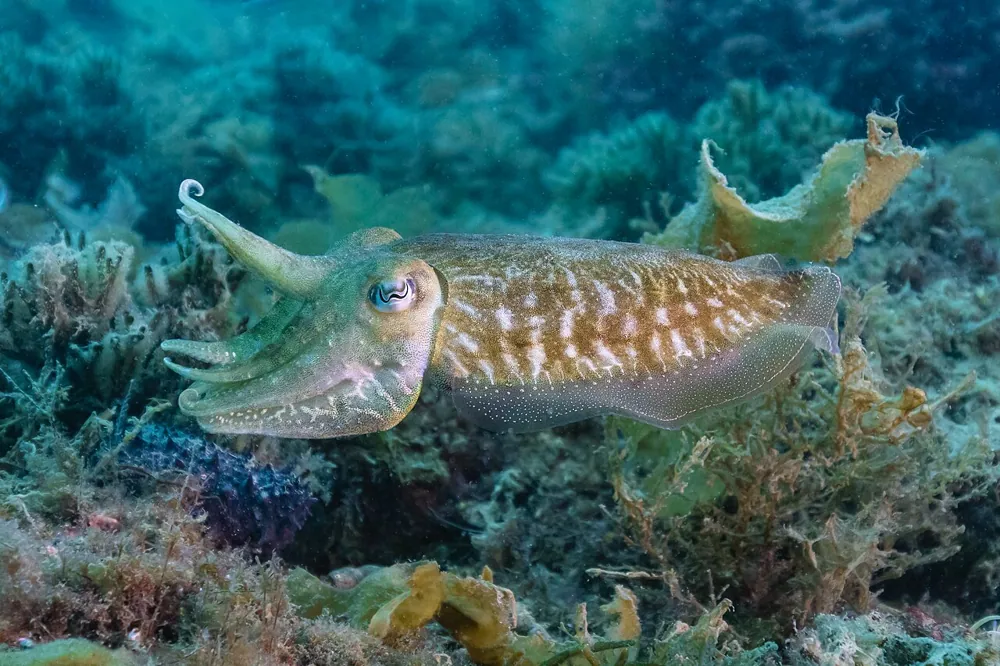
The common cuttlefish is a sea creature related to squid and octopuses. It is one of the largest and best-known cuttlefish species. It lives on sand and mud seabeds in the Mediterranean, North Sea and Baltic Sea.1
 Ni ngay ko xàmmee
- Two highly developed eyes and eight arms around the mouth, plus two longer feeding tentacles1
- An internal shell, the cuttlebone, on the back of the body1
- Males in breeding season show a bold black and white zebra pattern on the mantle1
- Females in breeding season show a uniform grey colour1
- Can change colour and skin texture to blend into its surroundings1
Kàttanu daŋar
Daŋar bi dafay génn ci bëñam yi su màttee.
Ni mu lore nit ñi?
Musiba ci nit: WoyofNi jamu yamb walla lu ko yées. Lu jege, amul lor ci nit.Lan lay def bu tiitee?
It hides by camouflage, sitting still while a predator passes. If found, it jets away using its siphon and often releases ink.1
 Su màttee
- Immobilisation ak pression: laxasal ab bànd élastique bu dëgër ci kaw fa mu màtt, ba noppi nga laxas cër bi yépp jëm kaw, takkal ko attelle, te def ba nit ki bañ a yëngu dara ba ndimbal ñëw.
- Pieuvre à anneaux bleus walla cône (koxu géej) mën na taxawal noyyib nit ki, te xelam nekk ci ba tey: wooal ndimbal te nga pare ngir may ko noyyi (bouche-à-bouche) ba ambulaas bi jot te jël ko.
Saa su nekk, woo jëkk sa nimerob urgence (112, 000, 911). Lii ay ndigal yu yaatu ci ndimbal yu jëkk la, du ndigalu doktoor. Li war a xam ci ndimbal yu jëkk
 Sàmmal sa bopp
- Bul laal mukk, bul jàpp, bul sonal ab rab bu àll, doonte bu ndaw la, te doonte dafa mel ni dafa nelaw walla dafa dee.
- May ko bérab. Su nga ko gisee, dalal, dellu ginnaaw ndànk-ndànk te bàyyi ko mu dem yoonam.
- Su benn màttee la: dalal, bul yëngu, woo sa nimerob urgence (112, 000, 911) walla dem lopitaan ci gaaw. Bul fàtte ni mu meloon, ab nataal dina dimbali.
Du la wut. Dafay jëfandikoo daŋaram ngir jàpp lu muy lekk walla ngir aar boppam, te nëbbu moo ko gën a neex. Yeneen ci ni ngay sàmme sa bopp
Fan ci àddina?
Ni mu réye?
Ni mu guddoo?
Ni mu diise?
 guddu na ni 2,5 banaana yu ñu toftale
 guddu na ni 15 bloku tabax yu ñu toftale
 diis na lu tollu ci muusu kër
 mën na féey guddaayu pisin bu réy (50 m) ci 12 segond
Common cuttlefish ni mu réye ci wetu YOW?
Ay waññ rekk ci sa navigateur. Dara du denc te dara du yónnee fenn.
Ni mu gaawe?

Xibaar
Cuttlefish can change colour and skin texture within seconds, and this camouflage ability is present before they hatch, as young can change their pattern from inside the egg.1
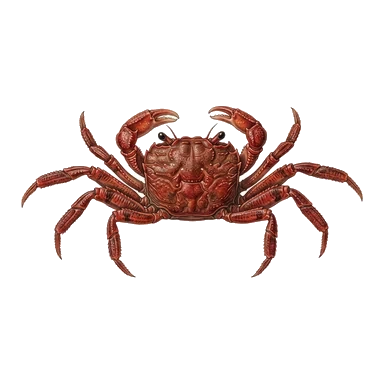
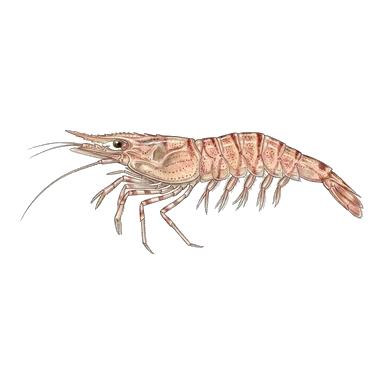
Young cuttlefish learn prey preferences before hatching. Embryos that see crabs later hunt crabs more often than shrimp.1
The colour sepia, a deep brown, is named after this cuttlefish and is extracted from its ink sac.1
Cuttlebones are sold as a source of calcium for pet parrots, and they help keep the bird's beak trimmed.1
Cuttlefish ink is used as a food ingredient that stains dishes deep black.1
Large numbers of cuttlefish die after spawning, and they usually live only up to 2 years.1
Ngir boroom xam-xam ci daŋar
- Turu xam-xam
- Sepia officinalis
- Mbooloo
- Cône ak pieuvre
- Njaboot
- Sepiidae2
- Toftal
- Sepiida
- Kontinaa yi
- Mbàmbulaanu Atlantig, Géeju Mediteraane, Géeju Bëj-gànnaar, Mbàmbulaan yi
- Liir yi
- The female attaches between 150 and 4000 eggs to seaweed, shells or other surfaces. The eggs hatch after 30 to 90 days, depending on temperature, into miniature adults.1
- Diiru dund
- lu tollu ci 2 at1
- Ni mu nekke ci àll bi
- Least Concern1
- Musiba ci nit
- 1 / 5: Woyof3
Fa xibaar yi jóge
- Common cuttlefish (Wikipedia (CC BY-SA 4.0))
- Sepia officinalis (iNaturalist): tur ak ni ñu leen séddale.
- Venom Wiki: tolluwaayu musiba bi, réyaay bu yem bi ak xalaatu gaawaay bi, nun ñoo leen defar. Seetal ni nu leen waññe: Ni nuy natte musiba.
Xibaar bu nekk ci xët wii am na ab nimero buy won fa mu jóge. Su nu juumee, baal nu, nun ay nit ñu bëgg rab lanu, du ab jurnaalu xam-xam. Wax nu ko ci [email protected] te dinanu ko jubbanti.
 Jiit bi dafa xiif! Venom Wiki ab liggéeyu kenn la: amul pay, amul piblisite te amul traceur. Ab may bu tuuti dafay dimbali ngir mu des ci internet.Leel jiit bi
Yeneen ci mbooloo mi: Cône ak pieuvre
 Geography cone
 Greater blue-ringed octopus
 Southern blue-ringed octopus
 Blue sea dragon
 Common octopus
 Giant Pacific octopus
,_Parque_natural_de_la_Arr%C3%A1bida,_Portugal,_2020-07-21,_DD_62.jpg)
Dafay dund itam ci: Mbàmbulaanu Atlantig
 Hawksbill sea turtleYeneen rab yu am daŋar ci seen yaramMën na rey
 Portuguese man o' warMéduse ak mbindeefi géej yuy jamSoxla na doktoorBul laal
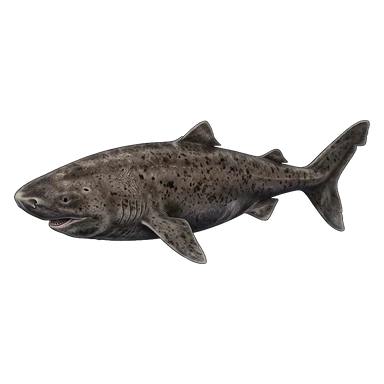 Greenland sharkYeneen rab yu am daŋar ci seen yaramDafay metti rekk
 Lion's mane jellyfishMéduse ak mbindeefi géej yuy jamDafay metti rekkBul laal
 Moon jellyfishMéduse ak mbindeefi géej yuy jamAmul lor
 Common stingrayJën yu am daŋarSoxla na doktoor