
 IAfrika
 IAsiya
 IYurophu
 uMzantsi Melika
 IOstreliya neOceania
 IAntarctica
 uLwandlekazi lwePasifiki
 uLwandlekazi lweAtlantiki
 uLwandlekazi lwaseIndiya
 uLwandlekazi lweArctic
 uLwandle lweMeditera
 uLwandle oluBomvu
 uLwandle lweKharibhiya
 uLwandle lweCoral
 uLwandle lwaseMzantsi China
 uLwandle lwePhilippines
 uLwandle lweAndaman
 uLwandle lwaseMntla (North Sea)
 uLwandle lweTimor ne-Arafura
 iBhayi yaseBengal
 iGulf yaseCalifornia
Lesser weever
 Amava anetyhefu
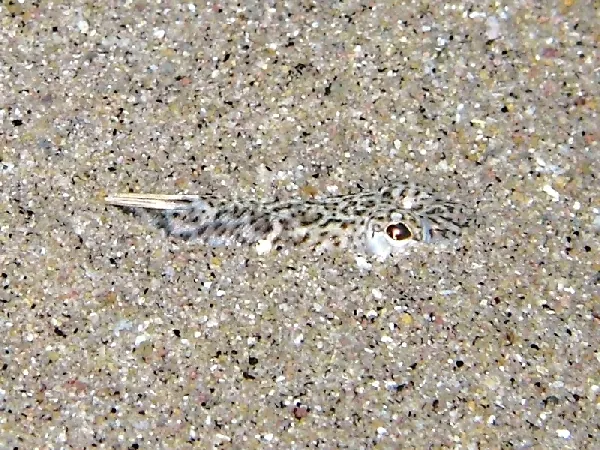
The lesser weever is a small, venomous fish that lies buried in sand on the sea floor, often close to the shore. Its venom is strong, and it is considered one of Europe's most dangerous weever species because it lives near beaches where people swim.1
 Indlela yokusiqaphela
Amandla etyhefu yokuluma nokuhlaba
Amava abukhali aphethe ityhefu. Ukusinyathela okanye ukusibamba kubuhlungu.
Ityhefu yaso yokuluma okanye yokuhlaba yenza ntoni?
The venom contains trachinine, a cytolysin (a substance that breaks down cells), along with serotonin, histamine-releasing substances and various enzymes. The sting causes acute and intense pain that often spreads to the area around the limb, and it peaks about 30 minutes after the sting. Swelling, redness, numbness, tingling, nausea and vomiting are common, and rare severe effects include abnormal heart rhythms, seizures, decreased blood pressure and unconsciousness.1
Siyingozi kangakanani ebantwini?
Ingozi ebantwini: Kubi kakhuluUkuba amava aso ayakugwaza, yiya kugqirha. Ukufa kunqabe kakhulu.The lesser weever can sting swimmers badly if they disturb it in the water, and fishermen can be stung when cleaning their nets. Because of its venom and its occurrence near beaches, it is considered one of Europe's most dangerous weever species. Some pain may continue for up to 24 hours.1
Senza ntoni xa soyika?
It rests buried in the sand with only its eyes and the tip of its first dorsal fin exposed, and it stings when disturbed.1
 Ukuba amava aso ayakugwaza
- Wash the wound, then immerse it in very hot water for at least an hour to ease the pain and help destroy the protein-based venom. The water should be 40 °C (104 °F) or as hot as the patient can tolerate. Reassure the patient that the sting is relatively harmless.1
- Faka inxeba emanzini ashushu, ashushu kangangoko umntu angakwazi ukunyamezela ngaphandle kokutshiswa (wavavanye ngesandla sakho), imizuzu engama-30 ukuya kwengama-90. Fumana uncedo lwezonyango, ingakumbi kwii-stonefish nakwii-stingray.
Soloko utsalela inombolo kaxakeka kuqala (112, 000, 911). Esi sisikhokelo soncedo lokuqala ngokubanzi, asilocebiso lwezonyango. Iziseko zoncedo lokuqala
 Hlala ukhuselekile
- Ungaze uchukumise, ubambe okanye uqhule isilwanyana sasendle, nokuba sincinci, kwaye nokuba sibonakala silele okanye sifile.
- Sinike indawo. Ukuba udibana naso, hlala uzolile, buyela umva kancinci kwaye usiyeke sihambe ngendlela yaso.
- Ukuba amava aso ayakugwaza: hlala uzolile, musa ukushukuma, tsalela inombolo kaxakeka (112, 000, 911) okanye uye esibhedlele ngokukhawuleza. Khumbula ukuba sasikhangeleka njani, ifoto iyanceda.
Asikuzingeli. Sisebenzisa ityhefu yaso ukubamba ukutya okanye ukuzikhusela, kwaye singakhetha ukuzimela. Okungakumbi malunga nokuhlala ukhuselekile
Phi emhlabeni?
Sikhulu kangakanani?
Side kangakanani?
 ubude obulingana neebhloko zokudlala zokwakha eziyi-9 zilandelelana
 singaqubha ubude bechibi elikhulu lokuqubha (50 m) ngemizuzwana eyi-43
U-Lesser weever mkhulu kangakanani xa uthelekisa NAWE?
Zizibalo nje kwibhrawuza yakho. Akukho nto igcinwayo okanye ithunyelwa naphi na.
Sikhawuleza kangakanani?
Iinyaniso
It has the most potent toxin of all the weevers.1
Pain from its sting usually peaks about 30 minutes after the sting.1
Its venom contains trachinine, a cytolysin that breaks down cells.1
Very rarely, sting pain spreads to the lymph nodes in the groin or armpit.1
Its venom glands are on the first dorsal fin and on the gill cover.1
Apho iinyaniso zivela khona
- Lesser weever (Wikipedia (CC BY-SA 4.0))
- Echiichthys vipera (iNaturalist): amagama nokuhlelwa.
- Venom Wiki: inqanaba lengozi, ubungakanani obuqhelekileyo noqikelelo lwesantya zezethu. Bona indlela esizifumana ngayo: Indlela esilinganisa ngayo ingozi.
Inyaniso nganye kweli phepha inenombolo ebonisa umthombo wayo. Ukuba senze impazamo, uxolo, sithanda izilwanyana, asiyomagazini yenzululwazi. Sixelele ku-[email protected] kwaye siza kuyilungisa.
 Unomadudwane ulambile! I-Venom Wiki yiprojekthi yomntu omnye: isimahla, ayinazibhengezo kwaye ayinazilandeli. Isipho esincinci sinceda ukuyigcina ikwi-intanethi.Yondla unomadudwane
Okungakumbi kwiqela elinye: Iintlanzi ezinetyhefu
 Reef stonefishIintlanzi ezinetyhefuSinokubulalaMusa ukuchukumisa
 Red lionfishIintlanzi ezinetyhefuKufuna ugqirhaMusa ukuchukumisa
 Estuarine stonefishIintlanzi ezinetyhefuSinokubulalaMusa ukuchukumisa
 Short-tail stingrayIintlanzi ezinetyhefuSinokubulala
 Striped eel catfishIintlanzi ezinetyhefuSinokubulalaMusa ukuchukumisa
 Bluespotted ribbontail rayIintlanzi ezinetyhefuKufuna ugqirha
Sikwahlala: uLwandlekazi lweAtlantiki
 Hawksbill sea turtleEzinye izilwanyana ezityhefayoSinokubulala
 Portuguese man o' warIijelifishi nezinye izilwanyana zaselwandle ezihlabayoKufuna ugqirhaMusa ukuchukumisa
 Blue sea dragonIinkumba ze-cone neengwaneKubuhlungu nje
 Greenland sharkEzinye izilwanyana ezityhefayoKubuhlungu nje
 Lion's mane jellyfishIijelifishi nezinye izilwanyana zaselwandle ezihlabayoKubuhlungu njeMusa ukuchukumisa
 Common octopusIinkumba ze-cone neengwaneAsinangozi