
 IAfrika
 IAsiya
 IYurophu
 uMzantsi Melika
 IOstreliya neOceania
 IAntarctica
 uLwandlekazi lwePasifiki
 uLwandlekazi lweAtlantiki
 uLwandlekazi lwaseIndiya
 uLwandlekazi lweArctic
 uLwandle lweMeditera
 uLwandle oluBomvu
 uLwandle lweKharibhiya
 uLwandle lweCoral
 uLwandle lwaseMzantsi China
 uLwandle lwePhilippines
 uLwandle lweAndaman
 uLwandle lwaseMntla (North Sea)
 uLwandle lweTimor ne-Arafura
 iBhayi yaseBengal
 iGulf yaseCalifornia
Paulista wasp
 Ukuhlaba
The Paulista wasp is a social wasp that lives in colonies of thousands of wasps. It is found in Brazil, Paraguay and Argentina. Scientists are studying its venom because some of its peptides (small protein-like molecules) may one day help treat cancer and epilepsy.1



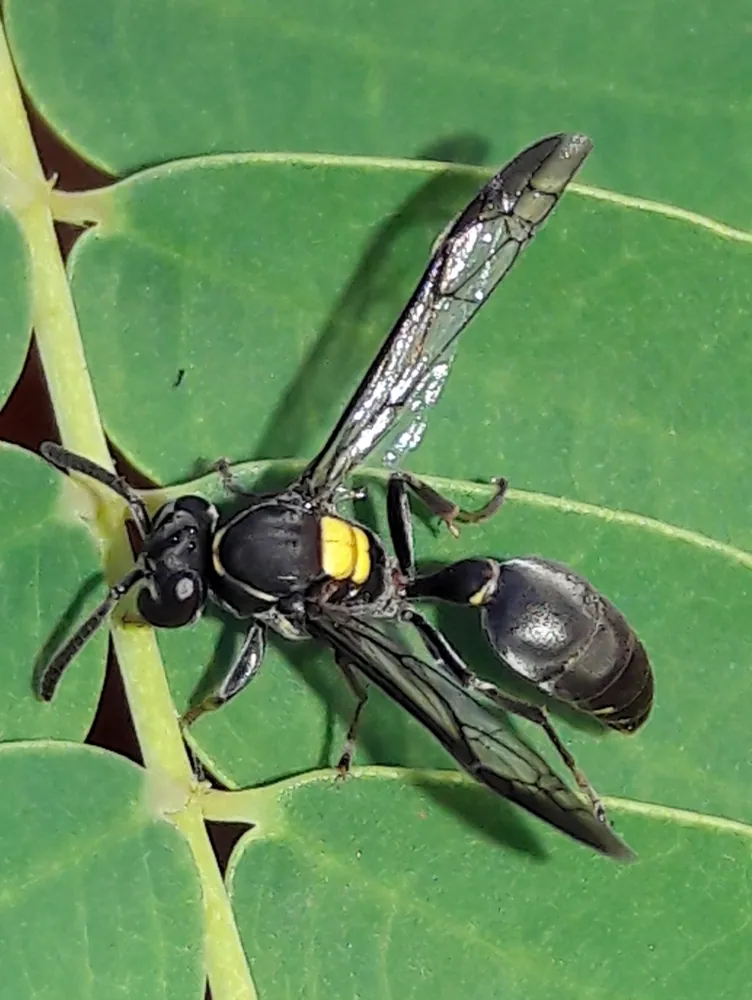
 Indlela yokusiqaphela
- Lives in a colony with a division of labour between young, middle-aged and older wasps1
- Builds a nest with combs and envelopes, which are fixed to a surface1
- Forms a tight cluster of wasps on the outside of a new nest while the inside has little room1
- Found in tropical areas of Brazil, Paraguay and Argentina1
Amandla etyhefu yokuluma nokuhlaba
Ityhefu iphuma ngenaliti yokuhlaba.
Ityhefu yaso yokuluma okanye yokuhlaba yenza ntoni?
The venom contains several peptides. These cause pain, swelling (oedema) and haemolysis, which means they break down red blood cells. They also trigger an inflammatory response, which causes physical discomfort.1
Siyingozi kangakanani ebantwini?
Ingozi ebantwini: KubuhlunguKunokuba buhlungu ngokwenene, kodwa phantse akusoze kube kubi kakhulu.Senza ntoni xa soyika?
Wasps use venom to defend themselves and their colony against predators, and workers defend the nest.1
 Ukuba siyahlaba
- Krwela inaliti yenyosi uyikhuphe uze upholise indawo.
- Ukuba umntu uphefumla kanzima, ubuso okanye umqala wakhe uyadumba, okanye uziva ngathi uza kufa isiqaqa, yimeko kaxakeka ye-aleji: tsalela inombolo kaxakeka kwaye usebenzise ipeni yakhe ye-adrenaline ukuba unayo.
Soloko utsalela inombolo kaxakeka kuqala (112, 000, 911). Esi sisikhokelo soncedo lokuqala ngokubanzi, asilocebiso lwezonyango. Iziseko zoncedo lokuqala
 Hlala ukhuselekile
- Ungaze uchukumise, ubambe okanye uqhule isilwanyana sasendle, nokuba sincinci, kwaye nokuba sibonakala silele okanye sifile.
- Sinike indawo. Ukuba udibana naso, hlala uzolile, buyela umva kancinci kwaye usiyeke sihambe ngendlela yaso.
- Ukuba siyakuhlaba: hlala uzolile, musa ukushukuma, tsalela inombolo kaxakeka (112, 000, 911) okanye uye esibhedlele ngokukhawuleza. Khumbula ukuba sasikhangeleka njani, ifoto iyanceda.
Asikuzingeli. Sisebenzisa ityhefu yaso ukubamba ukutya okanye ukuzikhusela, kwaye singakhetha ukuzimela. Okungakumbi malunga nokuhlala ukhuselekile
Sikhulu kangakanani?
Side kangakanani?
 sincinci kangangokuba singahlala eluzipheni lwakho
 singabhabha siwele ibala lebhola ekhatywayo lonke ngemizuzwana eyi-17
U-Paulista wasp mkhulu kangakanani xa uthelekisa NAWE?
Zizibalo nje kwibhrawuza yakho. Akukho nto igcinwayo okanye ithunyelwa naphi na.
Sikhawuleza kangakanani?


Iinyaniso
A peptide in the venom, called Polybia-MP1, kills cancer cells while leaving healthy cells intact, according to research so far. Further studies are needed to confirm it is safe as a chemotherapy drug.1
The venom contains mastoparan, which has been shown to inhibit the parasite Trypanosoma cruzi, the cause of Chagas disease.1
Workers cool the nest by fanning their wings and spreading water on the combs, so the water evaporates and lowers the temperature.1
Colonies can contain from 10 to 94 queens, because young queens are constantly recruited.1
A colony can hold about 4,500 wasps during its early stage, and up to 13,000 wasps while males are being produced.1
Apho iinyaniso zivela khona
- Polybia paulista (Wikipedia (CC BY-SA 4.0))
- Polybia paulista (iNaturalist): amagama nokuhlelwa.
- Venom Wiki: inqanaba lengozi, ubungakanani obuqhelekileyo noqikelelo lwesantya zezethu. Bona indlela esizifumana ngayo: Indlela esilinganisa ngayo ingozi.
Inyaniso nganye kweli phepha inenombolo ebonisa umthombo wayo. Ukuba senze impazamo, uxolo, sithanda izilwanyana, asiyomagazini yenzululwazi. Sixelele ku-[email protected] kwaye siza kuyilungisa.
 Unomadudwane ulambile! I-Venom Wiki yiprojekthi yomntu omnye: isimahla, ayinazibhengezo kwaye ayinazilandeli. Isipho esincinci sinceda ukuyigcina ikwi-intanethi.Yondla unomadudwane
Okungakumbi kwiqela elinye: Iinyosi, oonomeva nee-hornet
 Tarantula hawkIinyosi, oonomeva nee-hornetKubuhlungu nje
 Executioner waspIinyosi, oonomeva nee-hornetKufuna ugqirha
 Warrior waspIinyosi, oonomeva nee-hornetKufuna ugqirha
 Armadillo waspIinyosi, oonomeva nee-hornetKufuna ugqirha
 Giant tarantula hawkIinyosi, oonomeva nee-hornetKubuhlungu nje
 Red paper waspIinyosi, oonomeva nee-hornetKubuhlungu nje
 Golden poison frog
 Terciopelo
 Brazilian wandering spider
 Eyelash viper
 Golden lancehead
 South American bushmaster